
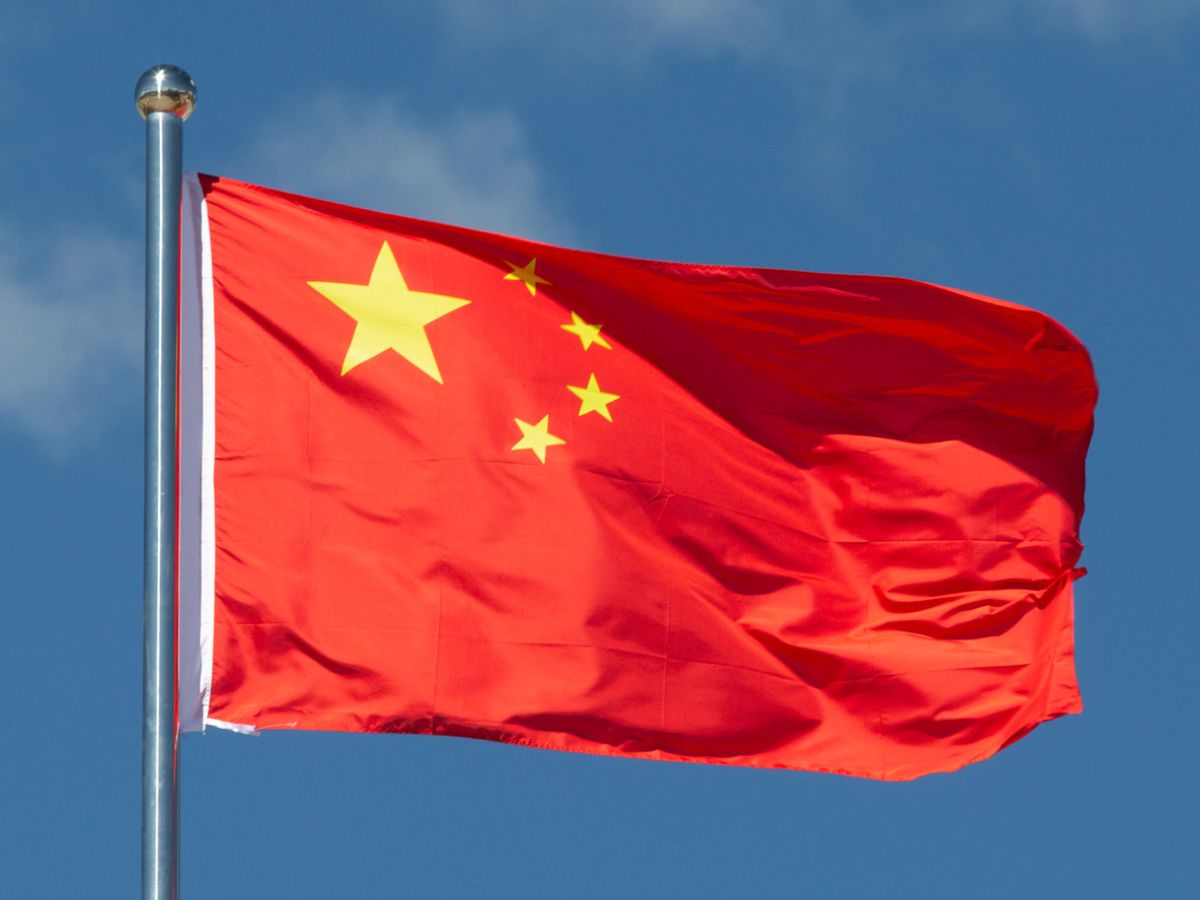

Yu Jing, spokesperson of the Chinese Embassy in India, shared a statement from the Ministry of Foreign Affairs of the People’s Republic of China saying that the US-Israeli military actions against Iran violate international law.
Responding to questions after Donald Trump claimed that US air strikes had destroyed an Iranian civilian bridge to push Iran toward negotiations, the Chinese Foreign Ministry said the operations lacked authorization from the UN Security Council and breached international law.
China Opposes Civilian Attacks
China also expressed strong opposition to attacks on civilian infrastructure and urged all parties to immediately halt military actions, return to political and diplomatic dialogue, and prevent a worsening humanitarian crisis.
As the Strait of Hormuz has the world in a chokehold, China appears to have largely insulated itself from the oil crisis, even though the country is heavily reliant on Iran for oil.
China’s Heavy Dependance On Iran Oil
China gets more than half of its oil from the Middle East, especially Iran. According to data from Kpler, China bought more than 80 per cent of Iran’s shipped oil in 2025. China’s imports of Iranian crude were 1.4 million barrels of oil per day (mbd) in 2025, out of a total 10.4mbd seaborne crude imports, as per Al Jazeera.
When the US and Israel commenced strikes on Iran on February 28, and Tehran blocked the Strait of Hormuz through which about 20 per cent of global oil and gas passes just hours later, Beijing was already prepared to cope with an energy crisis, as it had been preparing for years. In 2021, while visiting an oilfield in the country, Chinese President Xi Jinping stated that the country would take its energy supply matters “into its own hands”.
Teapot Refineries Strategy Explained
Since then, one of the key tactics the country has used to secure its oil supply is through “teapot refineries” – smaller, independent facilities which have capitalised on oil made cheap by international sanctions, stockpiling oil reserves and increasing imports from countries such as Iran, Russia and Venezuela, as per Al Jazeera.
(With Inputs from ANI)
I am a content writer with 2.5 years of experience, currently working at ITV Digital. I cover a wide range of topics including entertainment, world news, India news, crime, and astrology, along with writing engaging lifestyle stories and reviews. With a flair for storytelling and a keen eye for trends, I aim to deliver fresh, reader-friendly content across diverse subjects.




