
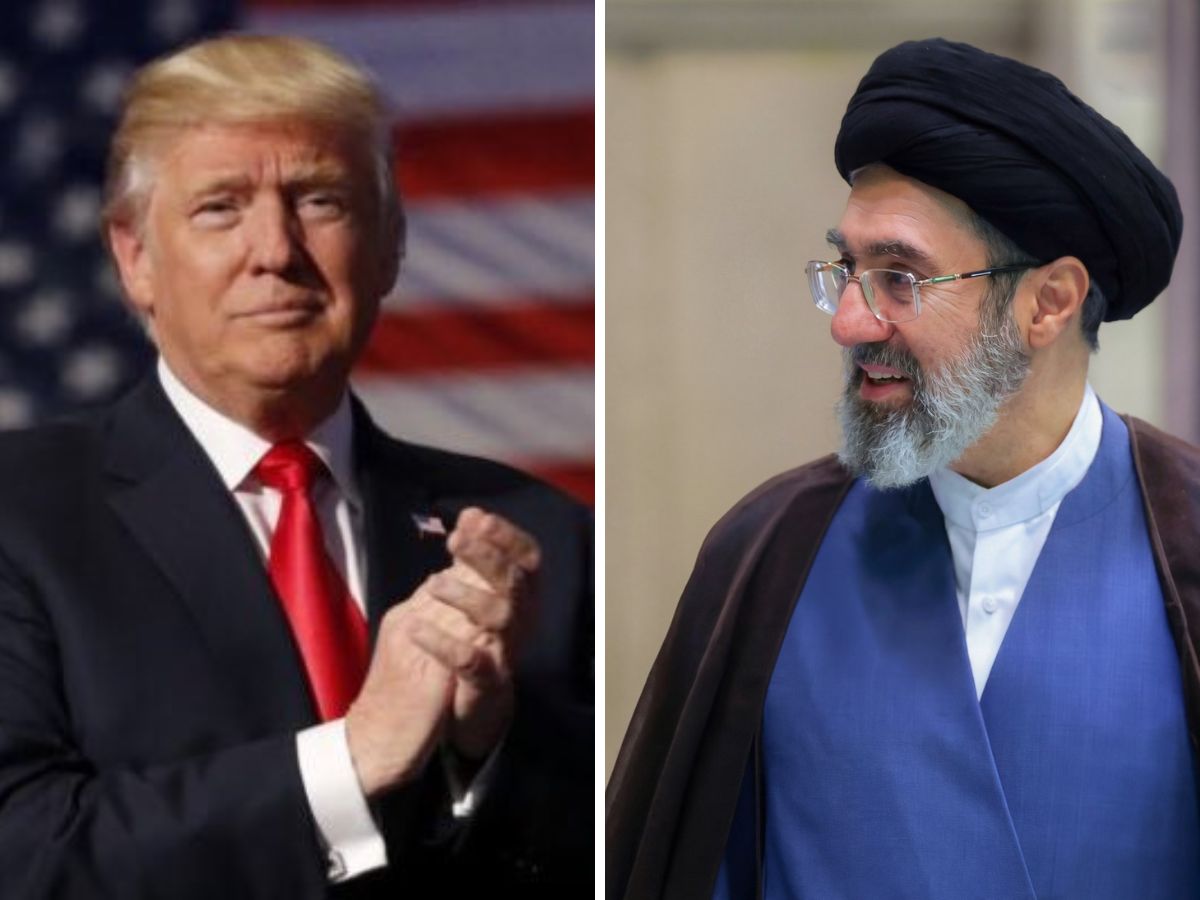

The United States and Iran’s conflict has reached a new level of tension as focus shifts towards Iran’s intentions for peace. While US President Donald Trump has publicly supported an ongoing conversation with Iran, and labelled such discussions “fruitful”, Iran has rejected Trump’s assertions as being “fake news” and claims that the two sides are not in direct negotiations.
Despite these conflicting accounts, there is evidence from other sources, including several media outlets, that Iran is indeed considering pursuing a ceasefire. However, they are willing to do so only under certain conditions which explain why reaching a settlement has proven challenging thus far.
Iran’s First Condition: Full Termination of Conflict
The most critical requirement from Iran is that there must be an end to all military actions in the region. Iran wants a complete cessation of military action by the US and its allies and not simply a temporary cessation. Iran will not accept a temporary ceasefire as it believes that hostilities will resume at a later date.
Another related requirement for Iran is an assurance from the US that it will not conduct any further military actions against Iran after a settlement has been reached. Iran is seeking such an assurance due to Iran’s long experience with broken agreements between it and the US and the longstanding dishonesty on the part of the US concerning military actions in Iran.
The demand for compensation for war damages is yet another major source of contention in the negotiations. Iranian authorities have stated that an agreement must include reparations for damage to infrastructure and the losses incurred during the conflict.
This demand adds both a financial and political complication to the negotiations and complicates Washington’s ability to reach an agreement.
No Limitations on Missile Program
Iran has established a strong red line on its armed forces. It has refused to accept any limitations on its ballistic missile program, which, according to the United States, constitutes a significant threat.
The United States has been pressing for limitations on Iran’s missile development for years, and this presents one of the most significant obstacles to an agreement.
Control Over Strategic Passes
Tehran is also demanding that it be allowed to maintain its foothold over important regional assets; above all, the Strait of Hormuz, which is a key route for global oil transactions.
This demand indicates Iran’s desire to maintain the ability to influence the flow of energy around the world; the United States and its allies do not want this.
The US Merging Conflict in Syria and Cooperation to Counter the Islamic State
Iran has extended their demand beyond just military conflict; it has also included economic and nuclear demands in their negotiations. Iran has expressed to the US that they will show some flexibility in their nuclear program, and this will only happen if the US lifts sanctions and acknowledges the right of Iran to enrich uranium.
Iran has also stated that they would be willing to reduce stockpiles and allow monitoring, but they will not end all enrichment activities.
Trust Is a Major Roadblock to Negotiating an Agreement
As these demands are being formed, the major obstacle will be trust. Trump has stated that there are “a number of points that we agree on,” while Iran is adamantly denying that there have been any direct talks and are labeling those reports as “fake news.”
There are still some indirect avenues for communication, for example, countries such as Pakistan, Turkey, and Egypt acting as intermediaries, but no direct agreement has been reached.
Reasons Why These Demands Are Important
Iran’s demands taken as a whole, indicate that they are not seeking a quick or symbolic resolution, but rather a resolution that provides long-term security, economic relief, and sovereignty from outside forces.
These are some of the very reasons that will make it difficult to come to a negotiated resolution. The US is likely not to accept all of these demands, especially with regard to missile programs and regional dominance, and likewise, Iran does not appear to be willing to compromise on what it considers their core national interests.
Khalid Qasid is a media enthusiast with a strong interest in documentary filmmaking. He holds a Master’s degree in Convergent Journalism from AJK MCRC. He has also written extensively on esports at Sportsdunia. Currently, he covers world and general news at NewsX Digital.




