
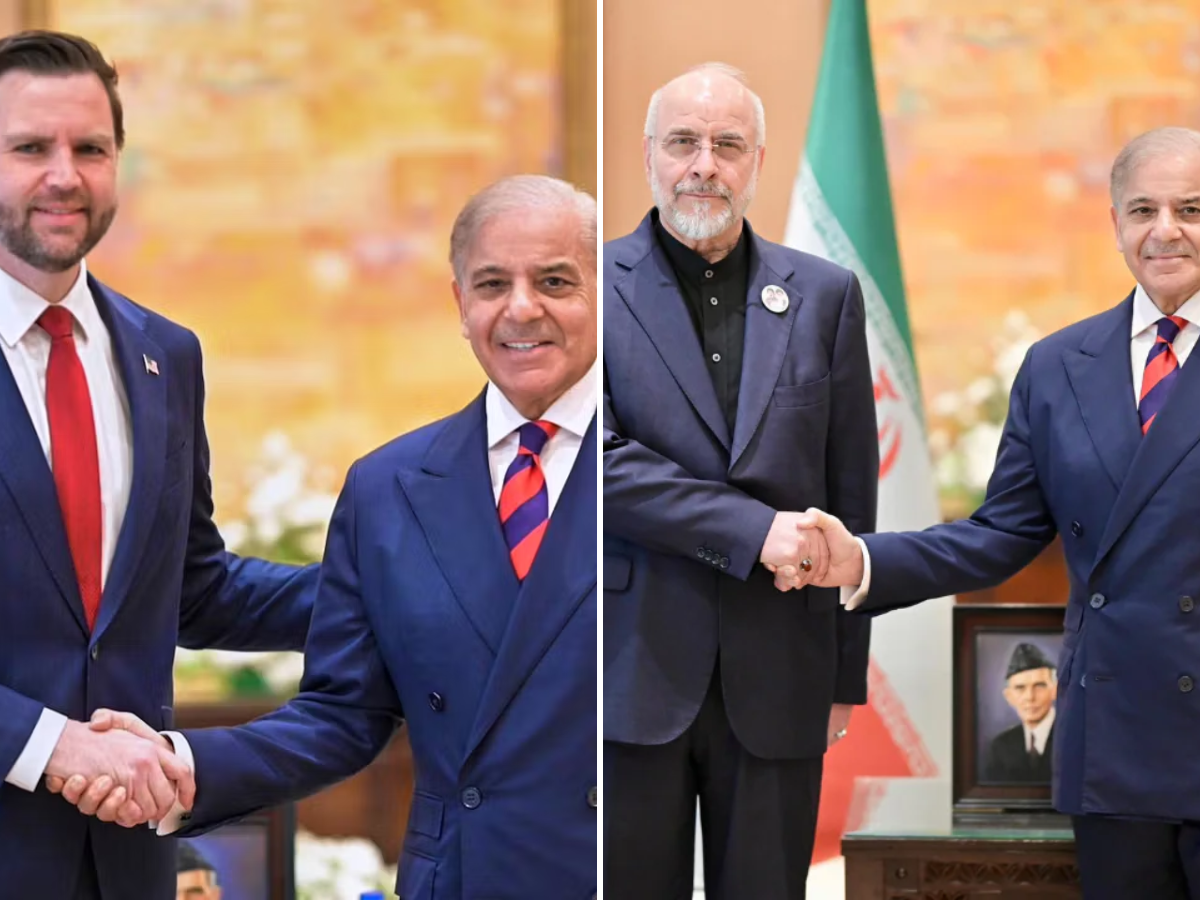

On Sunday, the United States and Iran had failed to agree following a day of much-anticipated face-to-face peace negotiations, confirmed by Vice President J.D. Vance, the lead negotiator in the United States.
The bad news is that we have not agreed. I believe that it is bad news to Iran more than it is to the U.S. They have decided not to take our terms, Vance said at a press conference in Islamabad as he boarded Air Force Two to fly out of the country.
When questioned about what the roadblock had been the most in the discussions, Vance responded: The mere fact is that we need to see a positive commitment that they will not pursue a nuclear weapon, and they will not pursue the means that would allow them to pursue the nuclear weapon in a flashy manner.
Iran, in its turn, stated that the two parties had come to a consensus regarding some of the questions, yet the negotiations did not result in any deal.
Tehran has reiterated that its nuclear project is a civil project, and that it has a right to enrich uranium to that effect.
US-IRAN Talks: What did Pakistan say?
Following the collapse of talks, the country that has led efforts to mediate in the war, including serving as the venue of the talks, Pakistan, announced on Sunday that it would still participate in peace efforts. Foreign Minister Ishaq Dar encouraged the two parties to maintain the ceasefire.
The negotiations, which went on for 21 hours, commenced on Saturday in Islamabad with the two parties seeking to strike a deal to end the six-week-old war that has rocked the Middle East.
It marked the first physical interaction between the U.S and Iran since 2015 when the Obama administration agreed on a nuclear agreement with Iran, which Trump scrapped. They were also the most top-level talks since the 1979 Islamic Revolution.
Why did the US-Iran talks fail?
Last-minute talks between the United States and Iran in Islamabad failed to reach a breakthrough following almost 21 hours of marathon talks, a setback to the prospects of prolonging a shaky truce in the region.
1. Deadlock Over Iran’s Nuclear Programme
The Iranian nuclear programme is in a state of stalemate. The biggest sticking point was Iran’s nuclear ambitions. The U.S. insisted on a clear and binding agreement that Iran should not acquire nuclear arms or capabilities. But Iran did not approve these conditions considering them to be too high and part-sided. This fundamental point of disagreement was too hard to be resolved and both parties were pegged to what they termed as red lines.
2. Controversy on Sanctions and Concessions.
The other significant challenge was the problem of U.S. sanctions. Iran demanded that the economic sanctions be lifted immediately, as well as the release of frozen assets and compensation that is associated with the ongoing war.
Instead, the U.S. was not ready to make wholesale concessions without substantial agreements with Tehran, which resulted in a typical negotiation standoff with both sides being unable to make the first step.
3. Strait of Hormuz Strategic Control
The Strait of Hormuz which is a major oil passage in the world also became a major area of contention. Iran has taken advantage of its control of the strait as leverage, and the U.S. insisted that it be opened unconditionally and free to navigation.
This is not a mere symbolic issue but rather at the heart of global energy security and compromise becomes even harder.
4. Abiding Mistrust on Both Sides
Hostility over decades was a key factor. The U.S. negotiators blamed Iranian officials who claimed that the U.S. had not been able to build trust, and Iran was not that willing to make credible commitments.
This was a suspicion on each side and even constructive proposals could not reach ground.
5. Broader Geopolitical Pressures
The discussions were held at a time when there was a regional conflict between Israel, Iran and their allied groups. On one hand, military tensions, such as the disruption of oil supplies and increasing casualties provided a sense of urgency, yet on the other hand, it also entrenched the position of both sides.
Meanwhile, political rhetoric, including aggressive words by the U.S. leadership, implied little maneuverability in negotiations.
What Happens Next?
There is no agreement made yet, and thus the future of the two-week ceasefire is in question, with the threat of new escalation looming. Although neither party has dismissed future negotiations, the Islamabad round underscores the fact that deep-seated divisions between the two countries have remained the stumbling block in diplomacy.




