
Tired Of Throwing Bins Full Of Plastic Sanitary Napkins Every Month? Here Are 7 Eco-Friendly Alternatives: In Pics
Conventional sanitary pads are often made with plastic, synthetic fibers, and harsh chemicals—materials that not only take centuries to break down but also pose potential health risks. As awareness grows about their environmental and personal impact, more people are turning to eco-friendly menstrual products. Options like cloth pads, menstrual cups, biodegradable pads, and period underwear offer safer, more sustainable alternatives. Making the switch not only helps reduce landfill waste but can also save money and support better menstrual health. Each product comes with its own benefits and adjustments, and the best choice depends on individual needs, comfort, and values. No matter the option, every step toward sustainability makes a meaningful difference.
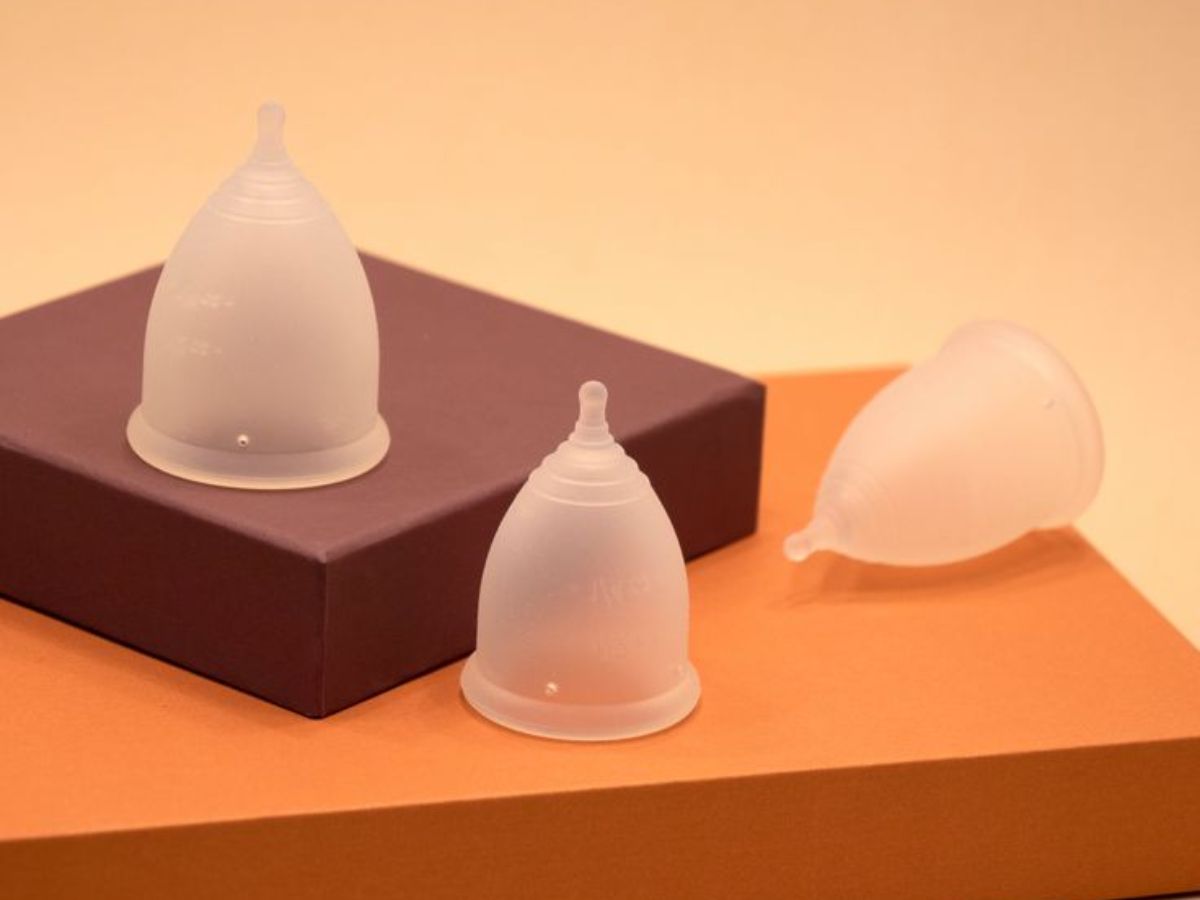
Menstrual Cups
Menstrual cups are small, bell-shaped devices made of medical-grade silicone, rubber, or elastomer. They are inserted into the vagina to collect menstrual fluid rather than absorbing it. A single menstrual cup can last up to 10 years with proper care, making it one of the most sustainable options available. They significantly reduce landfill waste and save money over time. While it may take time to get used to inserting and removing the cup, many users find them comfortable and reliable once they adjust.
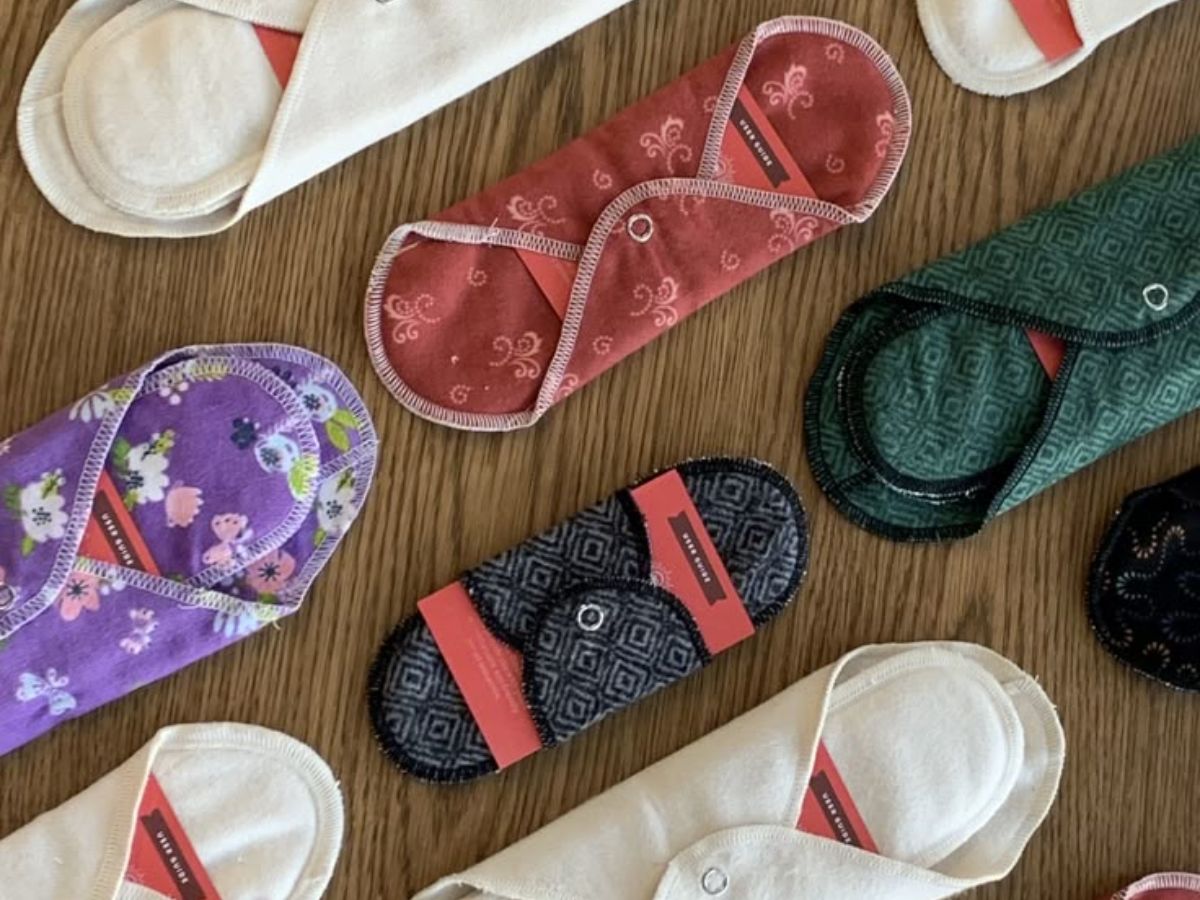
Cloth Pads
Reusable cloth pads are made from layers of natural fabrics like organic cotton, bamboo, or hemp. These are washable and can be reused for several years, depending on care. They come in various sizes and absorbency levels and are free from harmful chemicals often found in commercial pads. Cloth pads reduce both environmental impact and skin irritation, making them a popular choice for those with sensitive skin. However, users need access to clean water and drying space for regular washing.
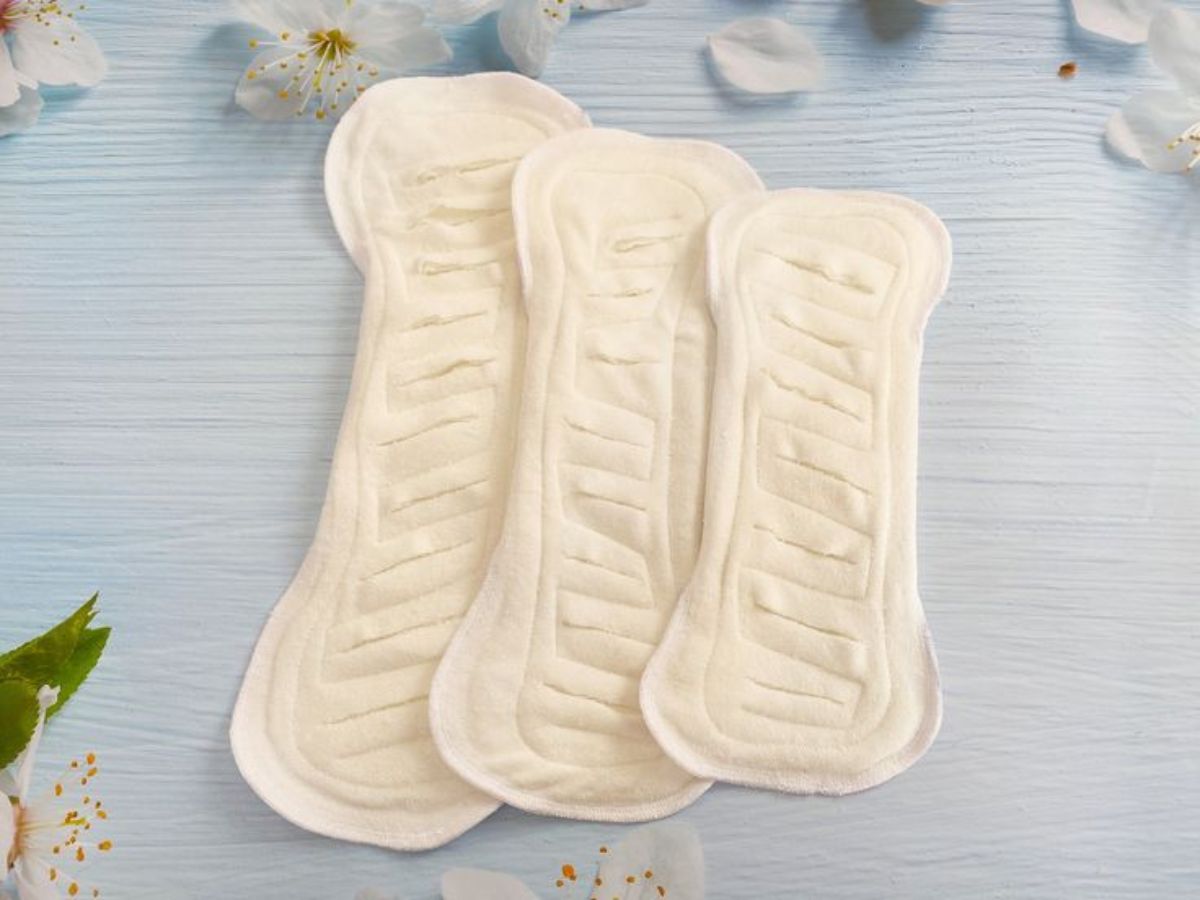
Biodegradable Sanitary Pads
These pads are designed to look and feel like conventional pads but are made from biodegradable materials like banana fiber, cornstarch, organic cotton, or bamboo pulp. Brands such as Saathi, Carmesi, and Natracare offer these options. They decompose within a few months under the right conditions, unlike plastic-based pads which can take centuries. These are ideal for users who prefer disposable products but want to reduce their carbon footprint.
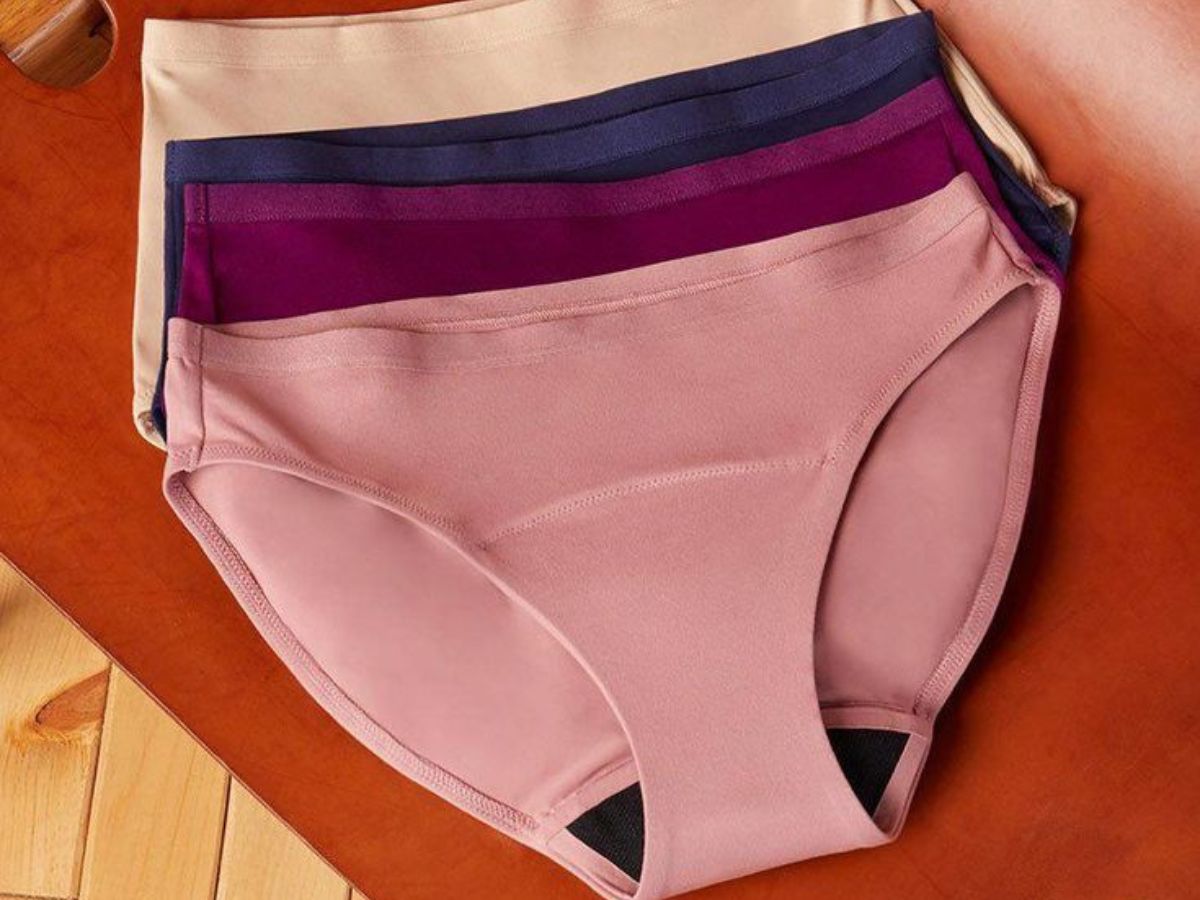
Period Panties
Period underwear is designed with built-in absorbent layers to hold menstrual blood. Made from fabrics like cotton, bamboo, or nylon blended with leak-proof technology, these are reusable and washable. They are ideal for light to moderate flow days or as a backup for other menstrual products. Period panties are convenient, discreet, and eliminate the need for pads or tampons altogether. However, like cloth pads, they require proper washing and care to maintain hygiene and durability.
Sea Sponges
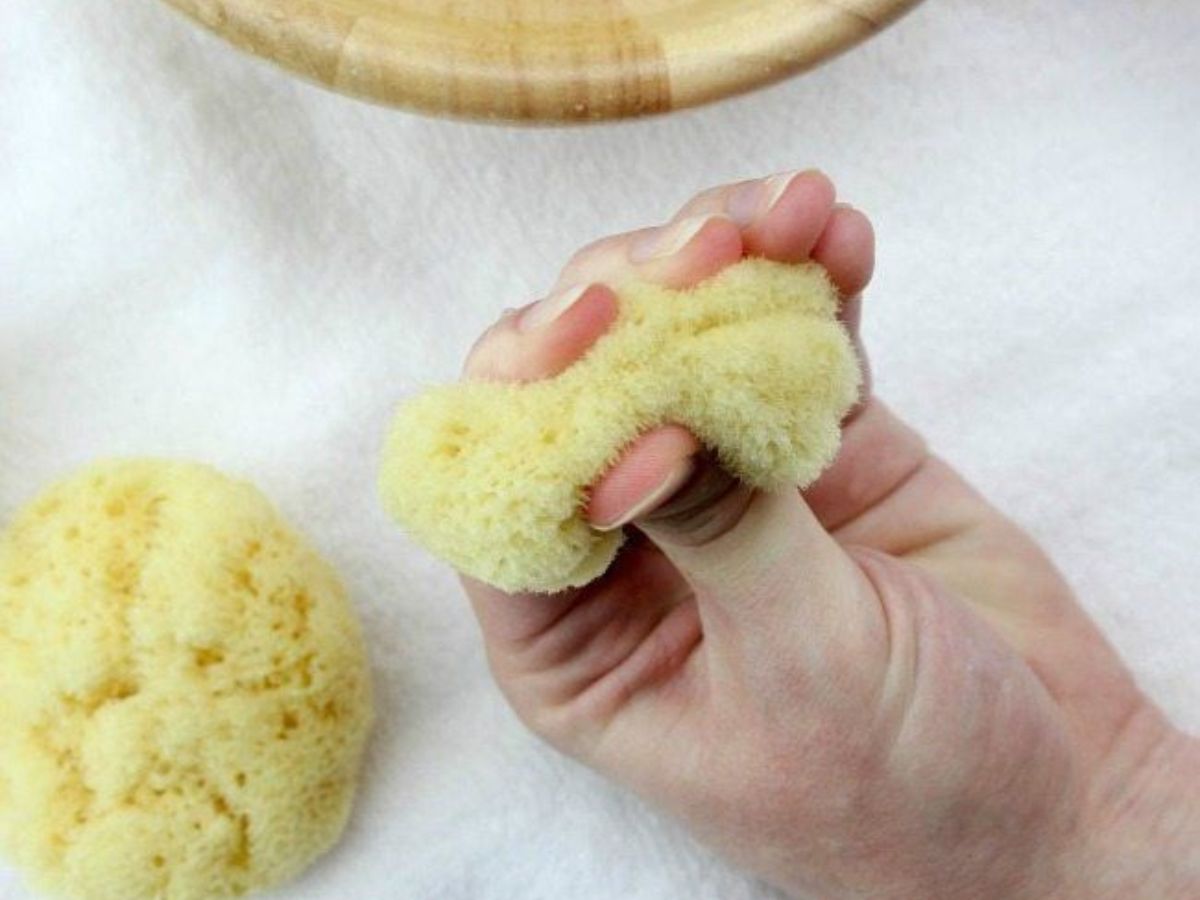
Natural sea sponges are soft, porous, and biodegradable, and can be inserted into the vagina to absorb menstrual fluid. They are harvested from the ocean and cleaned for medical use. Some users appreciate their natural composition and flexibility. However, sea sponges must be sterilized regularly and may not be as widely accepted or regulated as other products, raising concerns over hygiene and safety.
Reusable Tampons (Cloth or Silicone)
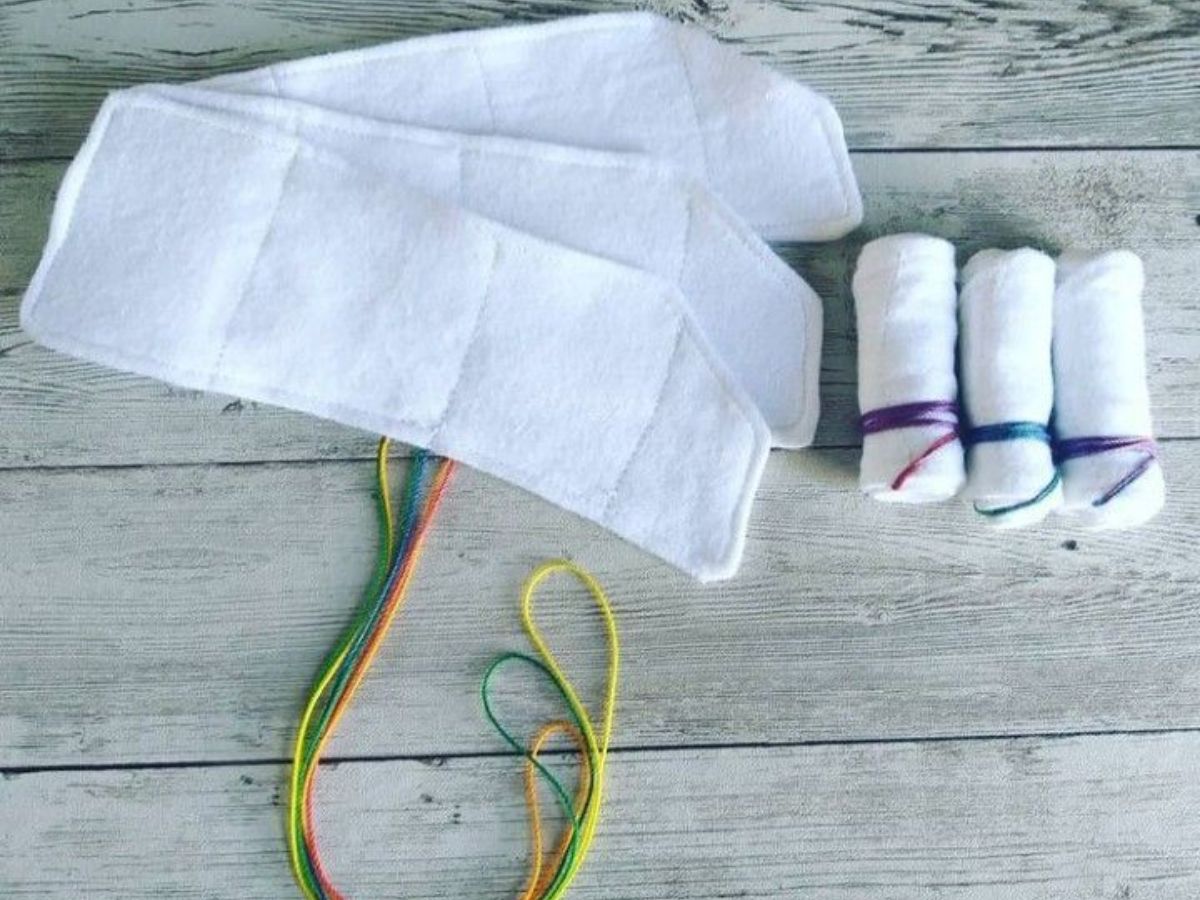
While less common, reusable tampons made of organic cotton or medical-grade silicone are gaining attention. These can be washed, sterilized, and reused for several cycles. They mimic the shape and function of conventional tampons but are free from plastic applicators and toxins. Hygiene and user comfort are key, and proper cleaning is crucial to prevent infections.
Compostable Disposable Pads and Liners
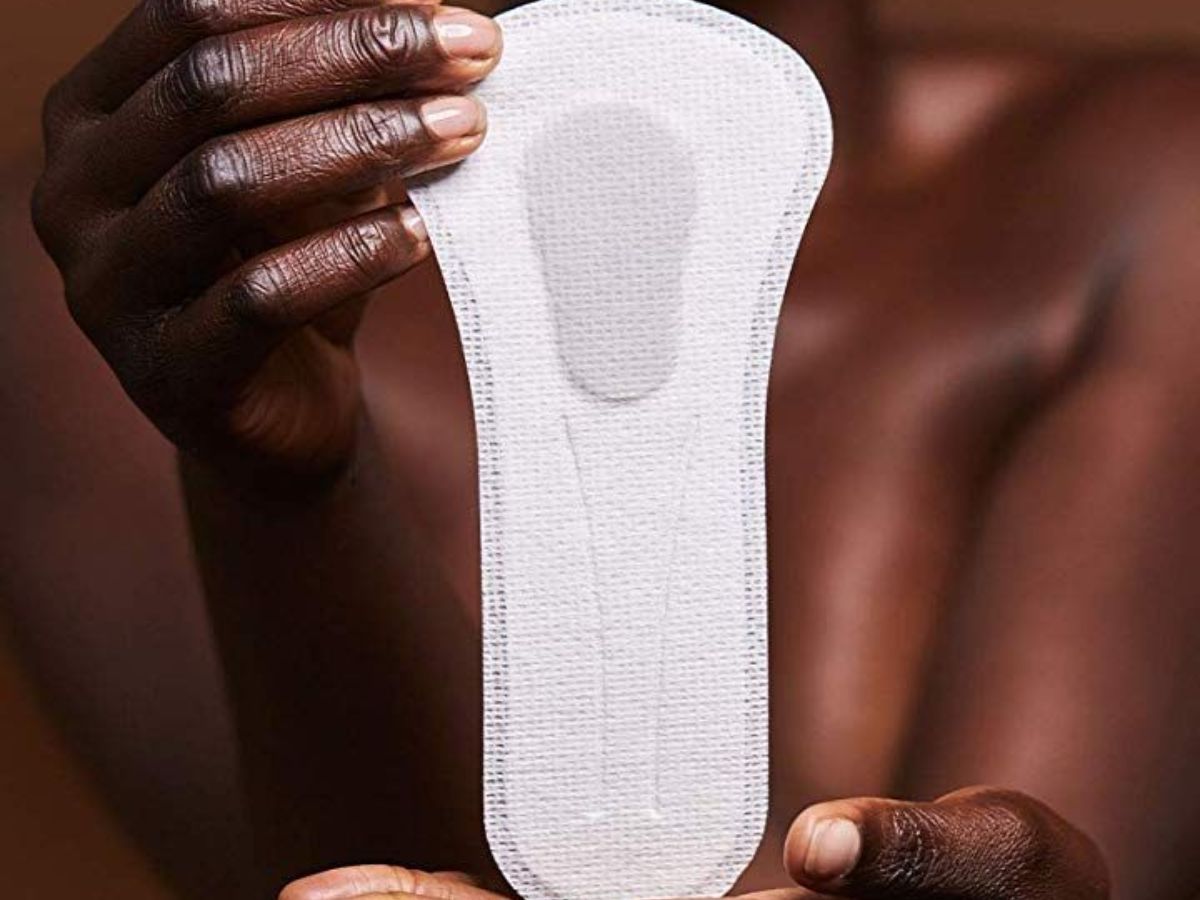
Some brands offer single-use pads and liners made from plant-based, compostable materials. While similar in form to regular disposables, they break down quickly in composting conditions. These offer a good middle ground for people who prefer disposables but want to make more sustainable choices. It’s important to check for certifications like “compostable” or “biodegradable” to ensure authenticity.




