
Beyond Tradition: How Indian Kitchen Tools Are Ergonomically Designed
Indian kitchens are a reflection of centuries of cooking ingenuity, and the form of their shared instruments is no different. These tools are frequently designed with intrinsic ergonomic and scientific concepts that maximize efficiency, ease, and the distinctive cooking methods needed for Indian food. Let’s discuss five such instances:
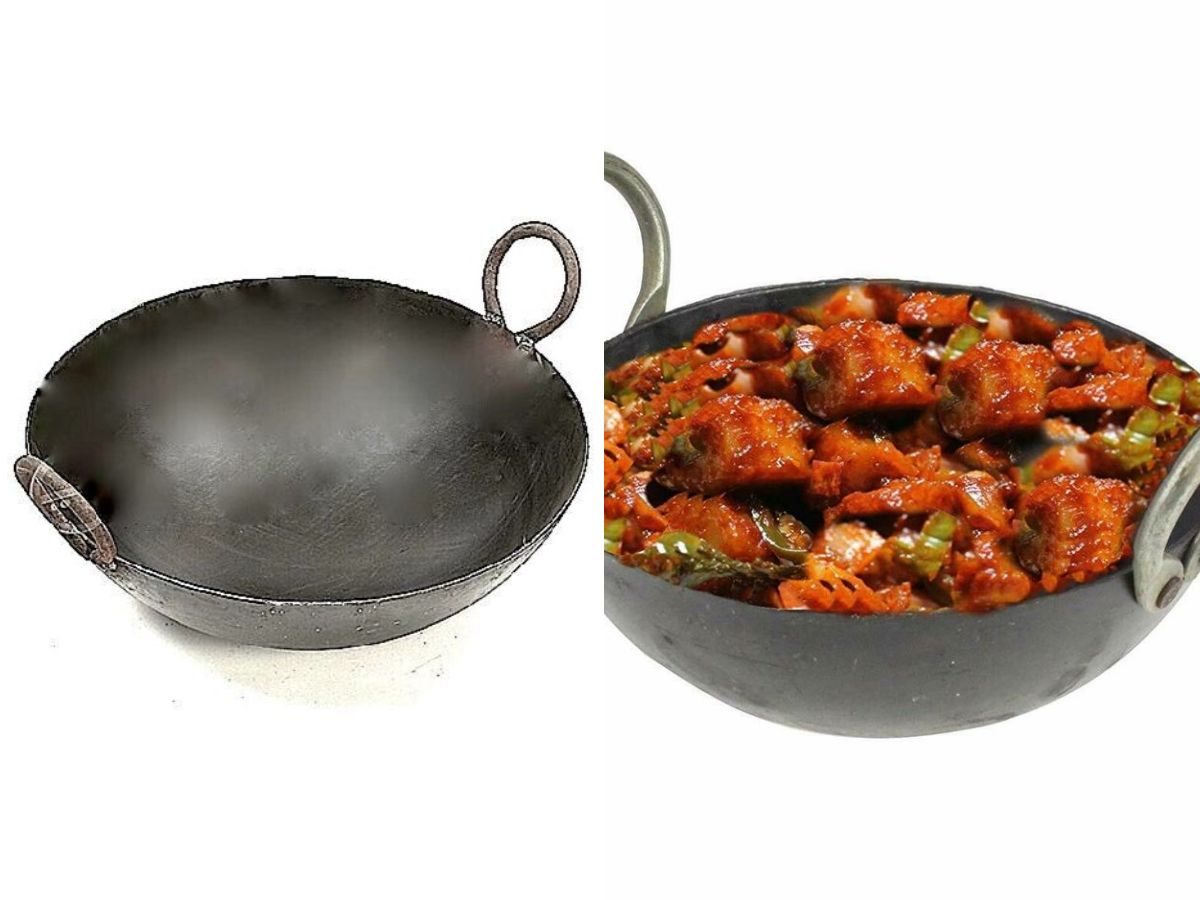
Kadhai (Wok/Deep Pan)
The kadhai has a deep, rounded base and broad mouth. Ergonomically, the two robust handles on either side ensure great grip and stability, essential for lifting heavy loads, tossing, or deep-frying carefully. Scientifically, its sloping base ensures even heat distribution from the centre to the exterior, encouraging proper stir-frying, deep-frying, and simmering of curries. The big surface area in comparison to its height enables rapid evaporation of water when necessary and effective stirring, precluding burning of the food at the bottom. The height also reduces spluttering of oil while deep-frying.
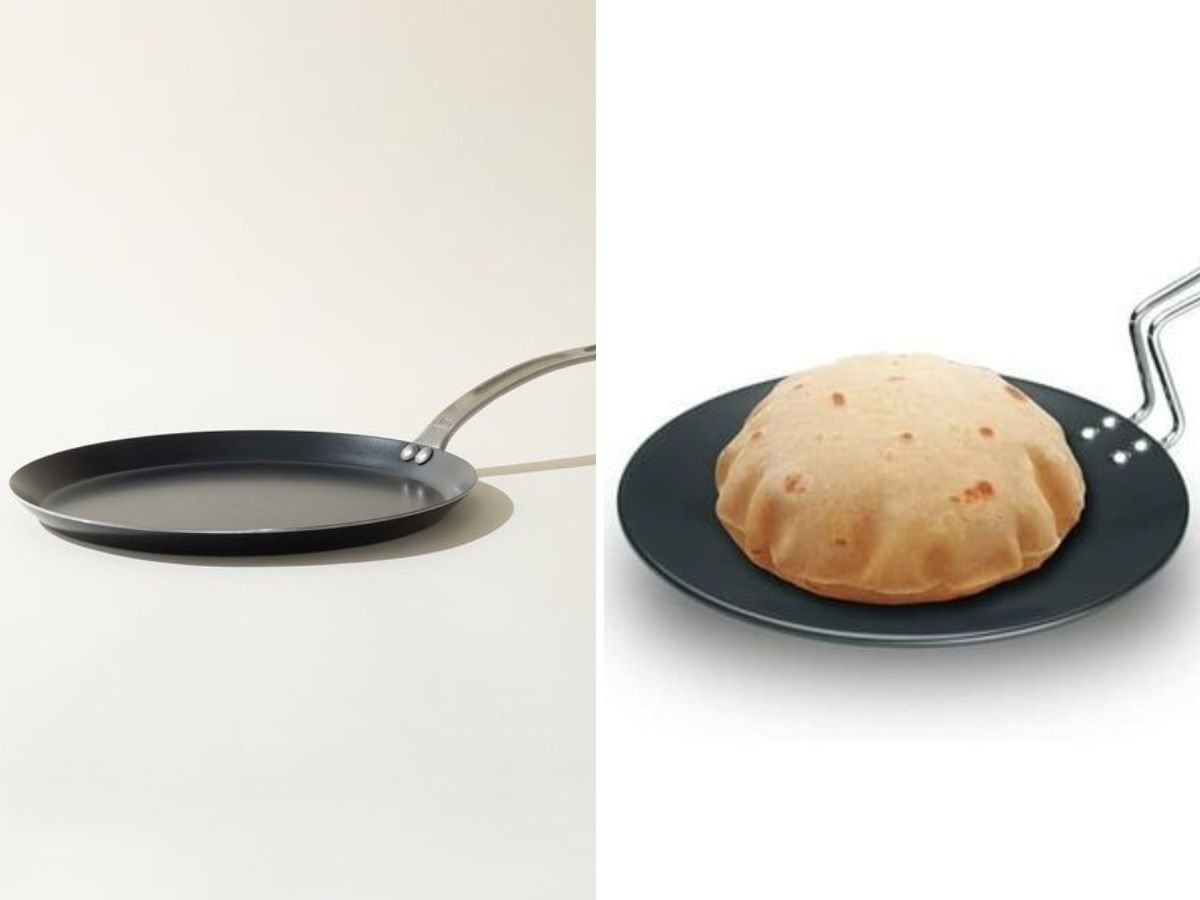
Tawa (Griddle)
The tawa is a nearly flat or even slightly concave/convex circular griddle, designed for controlled temperature regulation essential for Indian flatbreads such as rotis, chapatis, dosas, and parathas. Its broad, even surface provides uniform heat distribution, cooking the flatbreads evenly and puffing them up without scorching. The materials such as cast iron or heavy-duty aluminum retain heat wonderfully, with a steady temperature even when batches of flatbreads are cooked one after another. The ergonomic shape typically consists of a single heavy-duty handle that is easy to maneuver and tilt.
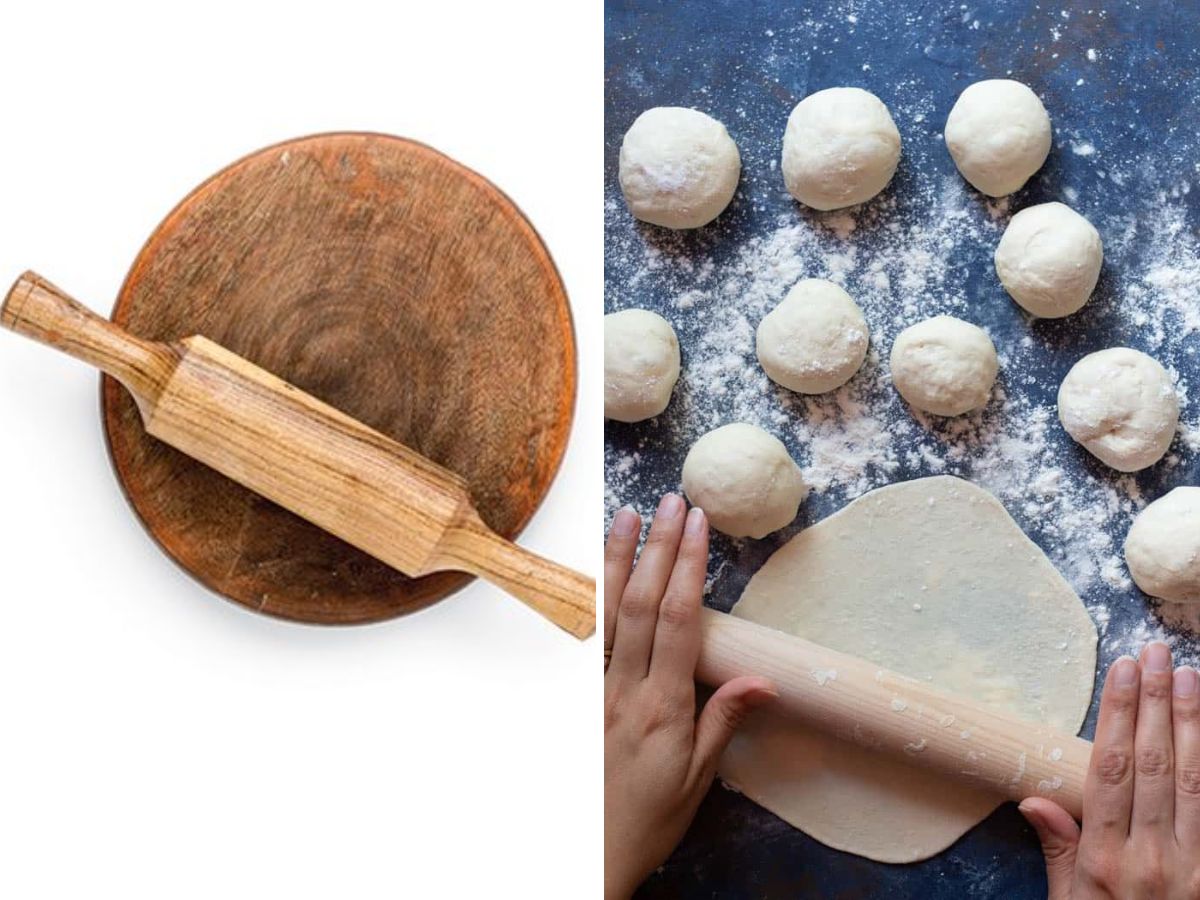
Chakla-Belan (Rolling Pin and Board):
The chakla (disc board) and belan (rolling pin) are the bases for Indian flatbreads. The chakla, either wood or marble, offers a firm, smooth, and non-stick surface, on which dough can be rolled thin and uniformly without adhering to it. Its low height allows for an ergonomic stance, which minimizes back and shoulder strain in repetitive rolling. The belan is usually a long, cylindrical rolling pin, sometimes without handles, which enables the pressure to be transmitted directly through both palms over its entire length. This configuration allows for exquisite control and uniformity of thickness, essential for perfectly round and soft rotis.
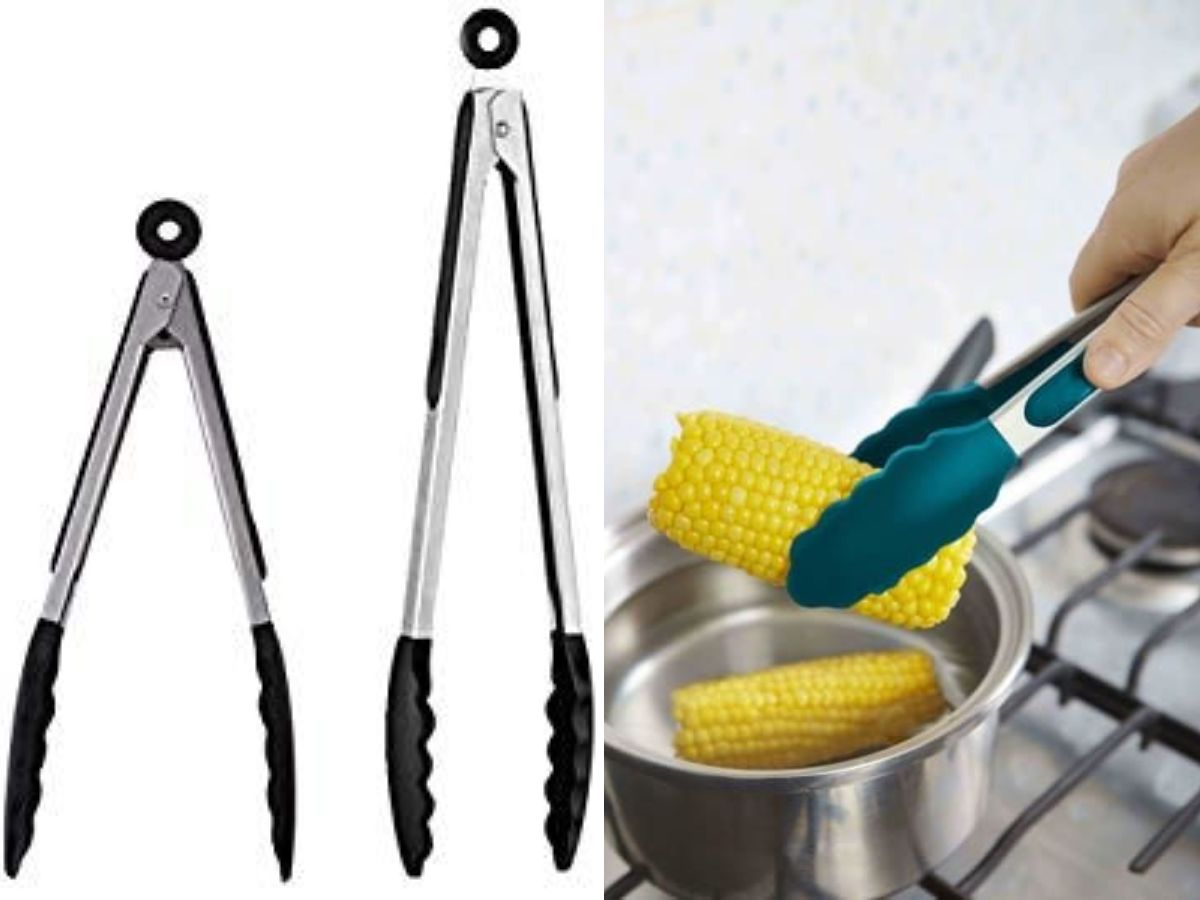
Chimta(Tongs)
The chimta or Indian tongs is a seemingly plain but very ergonomic and versatile piece of equipment. Its two hinged arms long, scissor-like shape enables safe gripping and flipping of hot flatbreads on an open flame or tawa, avoiding hand heat exposure. The flat or ridged ends also ensure a firm grip on fragile objects such as rotis or even solid utensils. Its lever mechanism provides mechanical advantage, taking little force to operate, making it easy for repeated use without causing hand fatigue, while providing precise management of hot food.
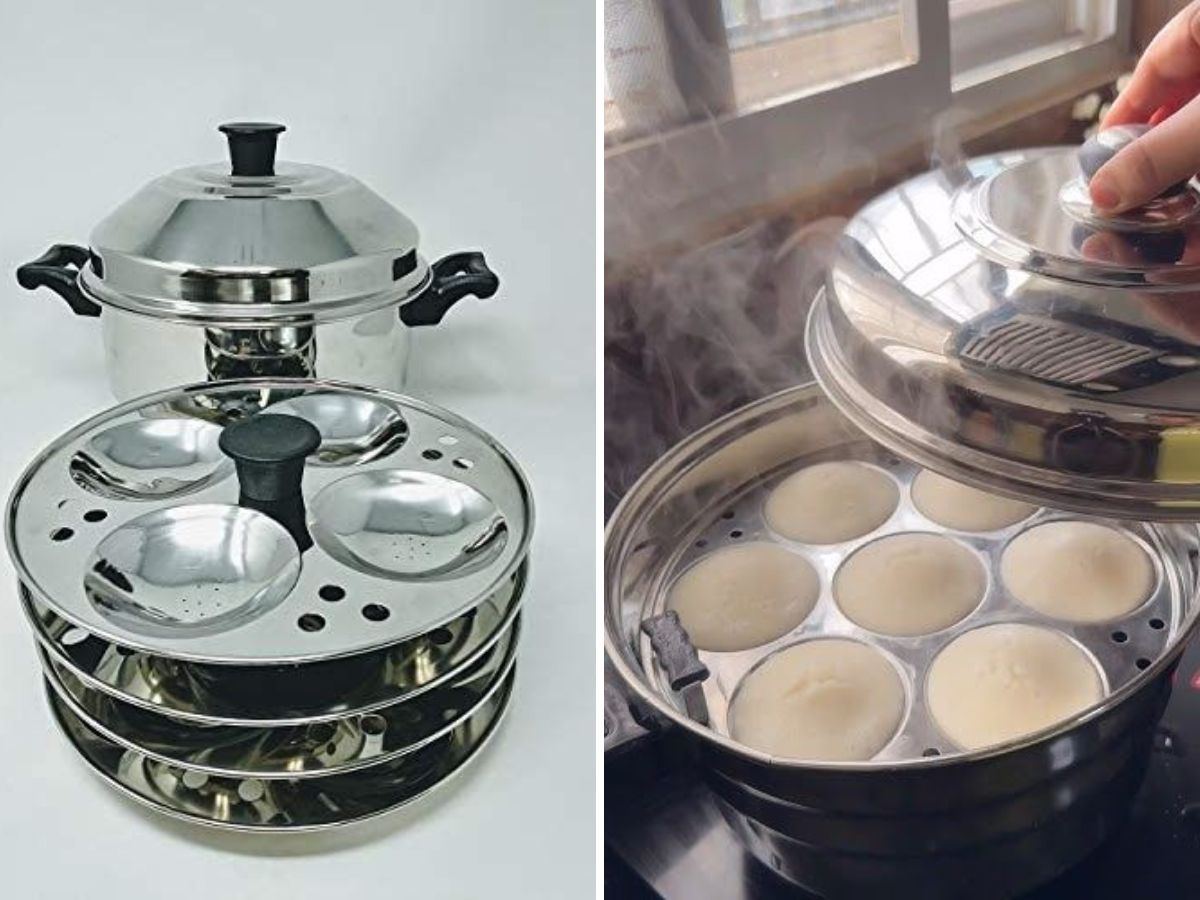
Idli Maker
The Idli Maker is a dedicated steamer used to produce idlis perfectly soft and fluffy. Its stacked-plate system with several shallow, round depressions maximizes the steaming process. Each plate has small holes, allowing steam to circulate evenly around every idli, ensuring uniform cooking and texture. The stackable design maximizes capacity within a compact space, making efficient use of the steam. The ergonomic design often includes a central rod for easy stacking and removal, along with side handles on the main pot for safe handling of the hot steamer. This is precisely designed for uniform, steamy, and fast cooking in steam.




