
Why Some Women Experience Diarrhea During Their Period and What It Means?
Many women experience diarrhea during their menstrual cycle due to hormonal fluctuations and the release of prostaglandins. These changes can affect the digestive system, causing increased bowel activity. While it’s usually normal, persistent or severe symptoms may indicate underlying issues like IBS or endometriosis. Proper hydration, dietary choices, and medication can help manage discomfort.
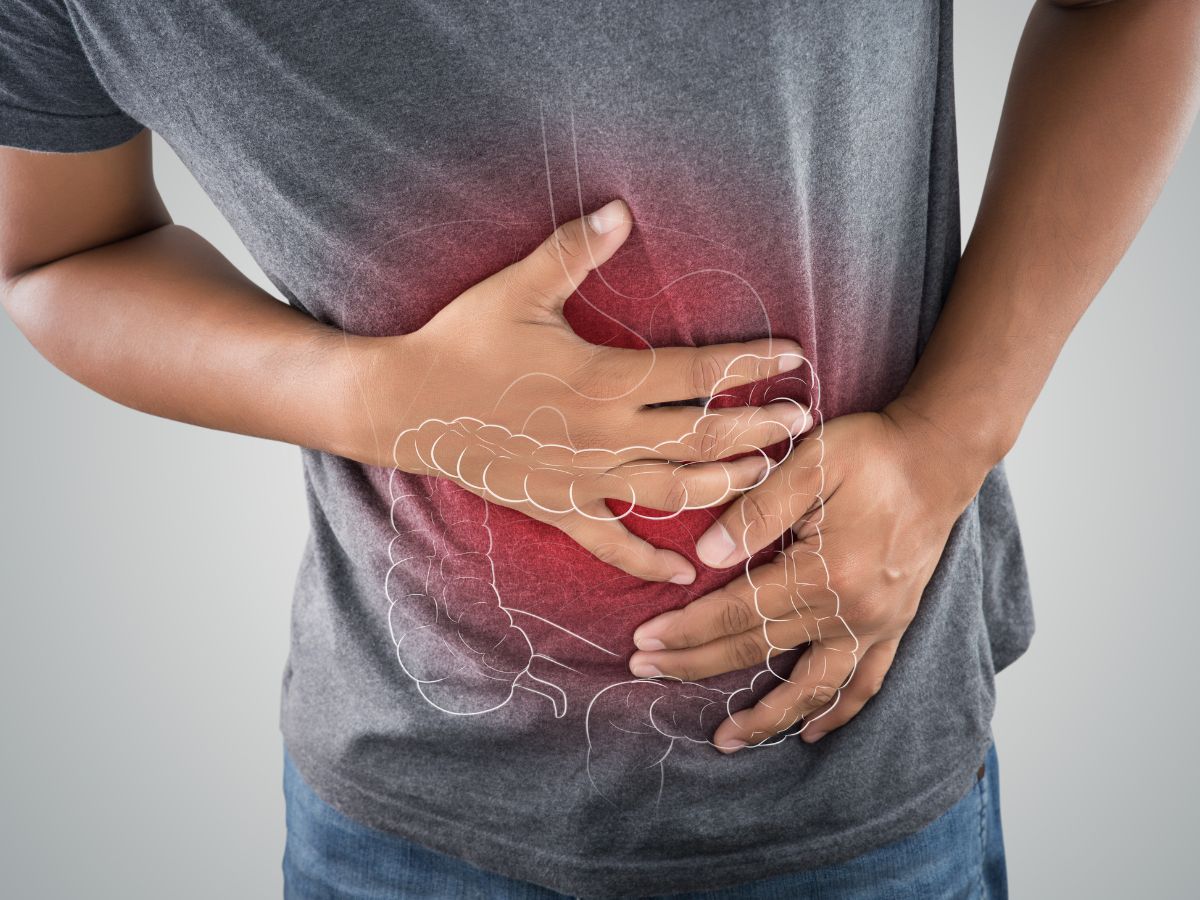
Hormonal Influence
If you have noticed that during menstruation, fluctuations of estrogen and progesterone lead to disrupted digestion and bowel habits. This leads to diarrhea or more frequent bowel movements.

Prostaglandins
Hormones like prostaglandins have substances that facilitate the shedding of the uterine lining, but also exert effects on the intestines. It causes them to contract more and resulting in cramping and diarrhea.
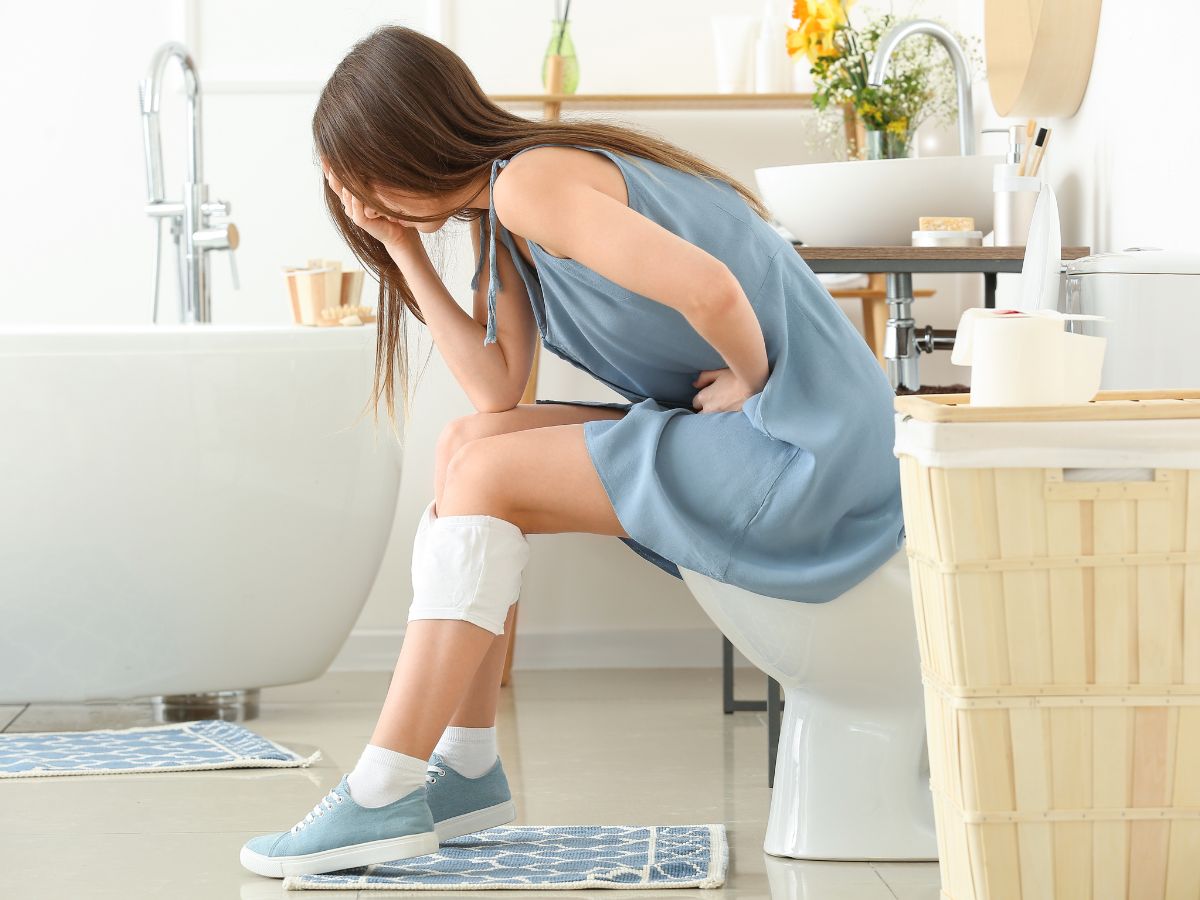
Muscle Contractions
If you know that prostaglandin hormones can induce the contraction of smooth muscles in the uterus as well as in the intestines. It keeps bowel motions more frequent than normal, and sometimes even urgent.

Increased Electrolyte Secretion
If prostaglandins are increased may lead to increased secretion of electrolytes and water by the intestines. This would soften the consistency of stools, hence causing loose or watery stools.

Common Symptom
Many women encounter an increase in diarrhea during menstruation, a common and natural symptom occurring due to the hormonal activity and sensitized gut around that time.

May Indicate Other Issues
At times, diarrheic episodes triggered by menstruation in an exaggerated form could indicate the presence of an underlying pathology such as IBS or endometriosis, and such instances require evaluation and appropriate management.
Management
If there is Managing period-related diarrhea includes staying hydrated. This can avoid caffeine and fatty foods, eating light meals, and using OTC medications if necessary for symptom relief.

Disclaimer
This is for informational purposes only and should not be considered medical advice. If you experience persistent or severe symptoms, consult a healthcare professional.




