
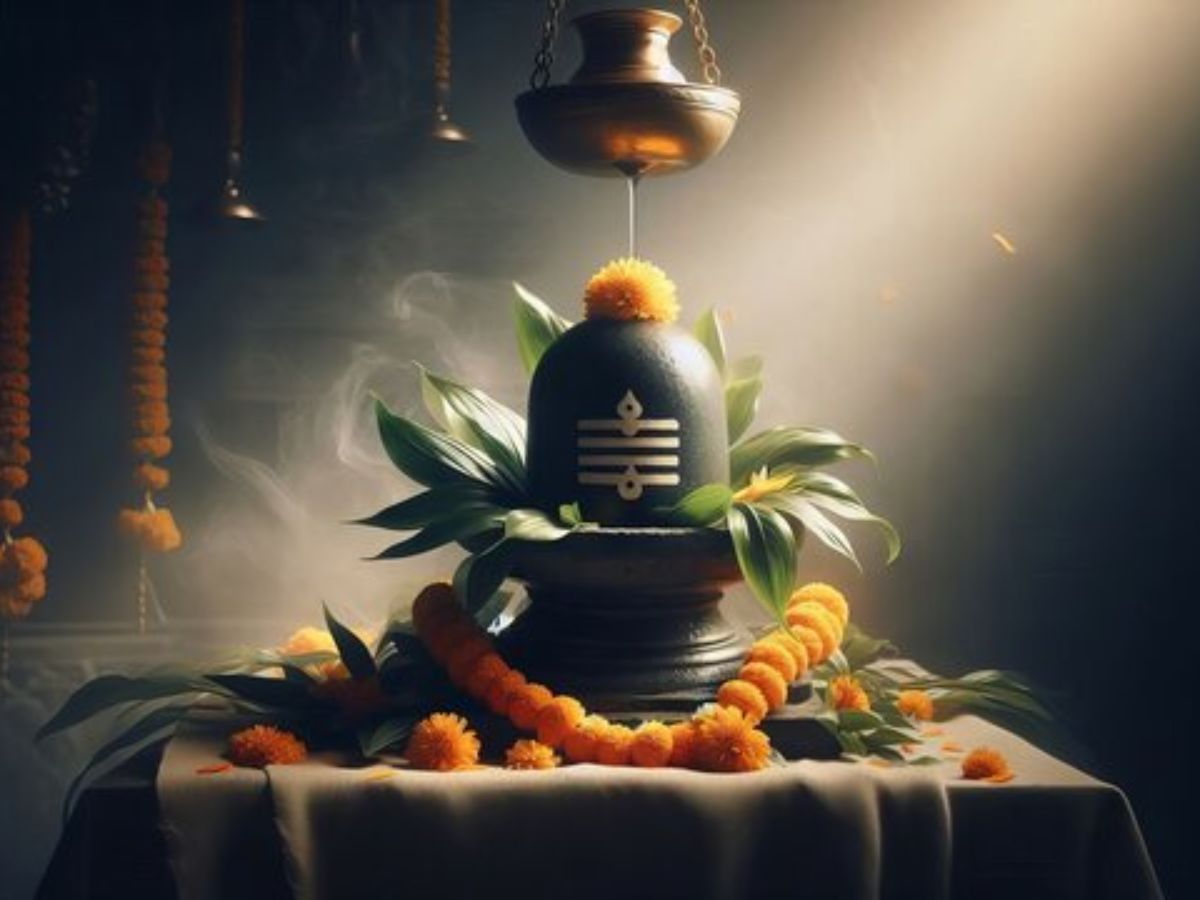

Maha Shivratri 2026: Maha Shivratri, one of the most sacred festivals in Hinduism, will be observed on February 15, 2026. The festival is dedicated to Lord Shiva and marks the divine union of Shiva and Goddess Parvati. Known as the “Great Night of Shiva,” the occasion holds deep spiritual significance and is observed with fasting, night-long prayers and special rituals across the country.
Maha Shivratri falls on the Chaturdashi Tithi of Krishna Paksha in the month of Phalguna, a night believed to be especially powerful for spiritual awakening and devotion.
Maha Shivratri 2026: Date And Puja Timings
-Chaturdashi Tithi: February 15, 2026 (5:04 PM) to February 16, 2026 (5:34 PM)
-First Prahar Puja: 6:11 PM to 9:23 PM (February 15)
-Second Prahar Puja: 9:23 PM to 12:35 AM (February 15–16)
-Third Prahar Puja: 12:35 AM to 3:47 AM (February 16)
-Fourth Prahar Puja: 3:47 AM to 6:59 AM (February 16)
-Nishita Kaal Puja: 12:09 AM to 1:01 AM (February 16)
-Shivratri Parana: 6:59 AM to 3:24 PM (February 16)
Significance Of Maha Shivratri
Maha Shivratri is celebrated with great devotion as Lord Shiva is revered not only as the destroyer of evil but also as the most compassionate deity who fulfills the wishes of his devotees. It is believed that sincere devotion, even through a simple offering of bel patra, pleases Lord Shiva if performed with pure intent.
Devotees believe that surrendering to Mahadeva brings protection, peace, prosperity and spiritual growth.
Why Maha Shivratri Is Celebrated
The festival is associated with several mythological and cosmic events. It commemorates the marriage of Lord Shiva and Goddess Parvati and the night when Shiva consumed poison during Samudra Manthan to save the universe. Maha Shivratri is also linked to the performance of Tandava, the cosmic dance symbolising creation, preservation and destruction.
On this auspicious day, devotees visit Shiva temples in large numbers, perform abhishekam of the Shivalinga, observe fasts and engage in meditation and prayers.
Maha Shivratri 2026: Puja Rituals
Devotees typically begin the day by waking up early, cleaning the house and taking a ritual bath. A vow to observe fast is taken, followed by temple visits for Jalabhishekam or Rudrabhishekam of the Shivalinga.
At home or in temples, oil lamps are lit, incense is offered, and the Shivalinga is adorned with sandalwood paste, flowers and bel patra. Many devotees also worship Goddess Parvati and perform night-long prayers, concluding the puja with aarti.
Maha Shivratri Mantras
-Om Namah Shivaya
-Om Trayambhakam Yajamahe Sugandhim Pushtivardhanam, Urvarukamiva Bandhanan Mrityor Mukshiya Maamritat.




