
8 Countries with the Cleanest Air in 2025 – Global Leaders in Fresh Air and Sustainability
In 2025, several nations have emerged as global role models for maintaining exceptionally clean air. These countries share key traits: widespread use of renewable energy, low population density, rich natural ecosystems, and strong environmental governance. From the forests of Finland to the geothermal wonders of Iceland, here are eight countries where breathing feels like a luxury.
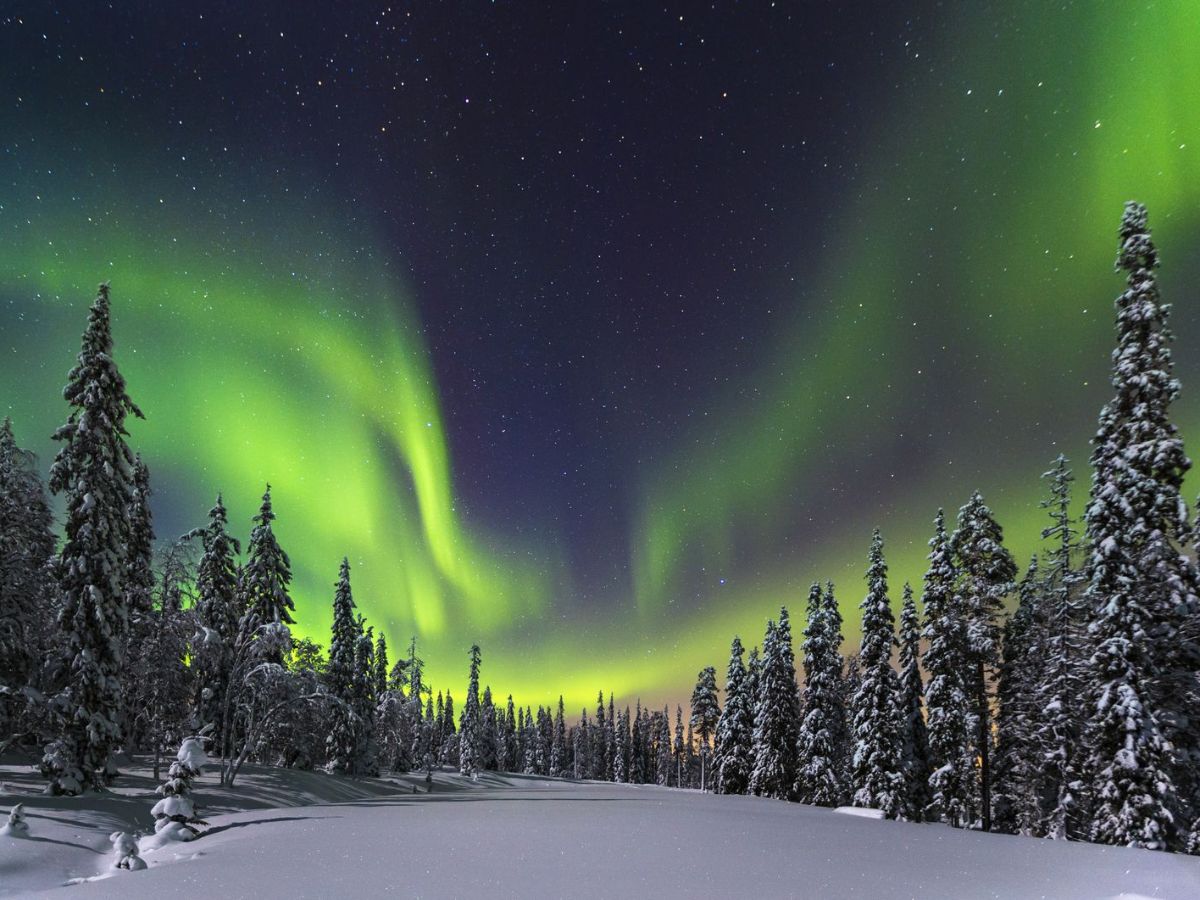
Finland
Finland tops the list with an average PM2.5 level of just 4.9 µg/m³. Its clean air is supported by vast forests, minimal urban congestion, and a strong reliance on hydro and wind energy. Environmental stewardship is deeply embedded in national policy.
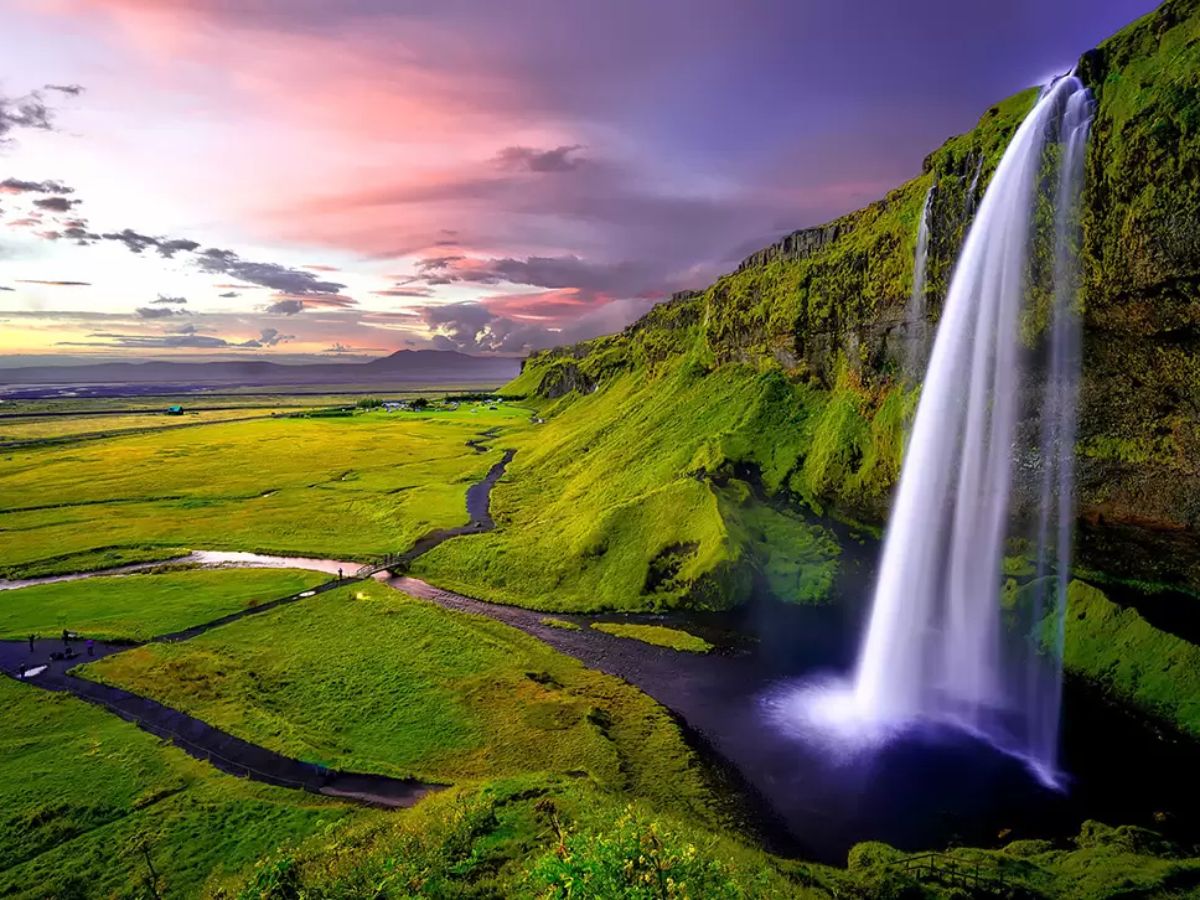
Iceland
Iceland’s air remains pristine thanks to nearly 100% renewable energy—mostly geothermal and hydro—and one of the lowest population densities in the world. Whether in cities or countryside, the air feels refreshingly pure.
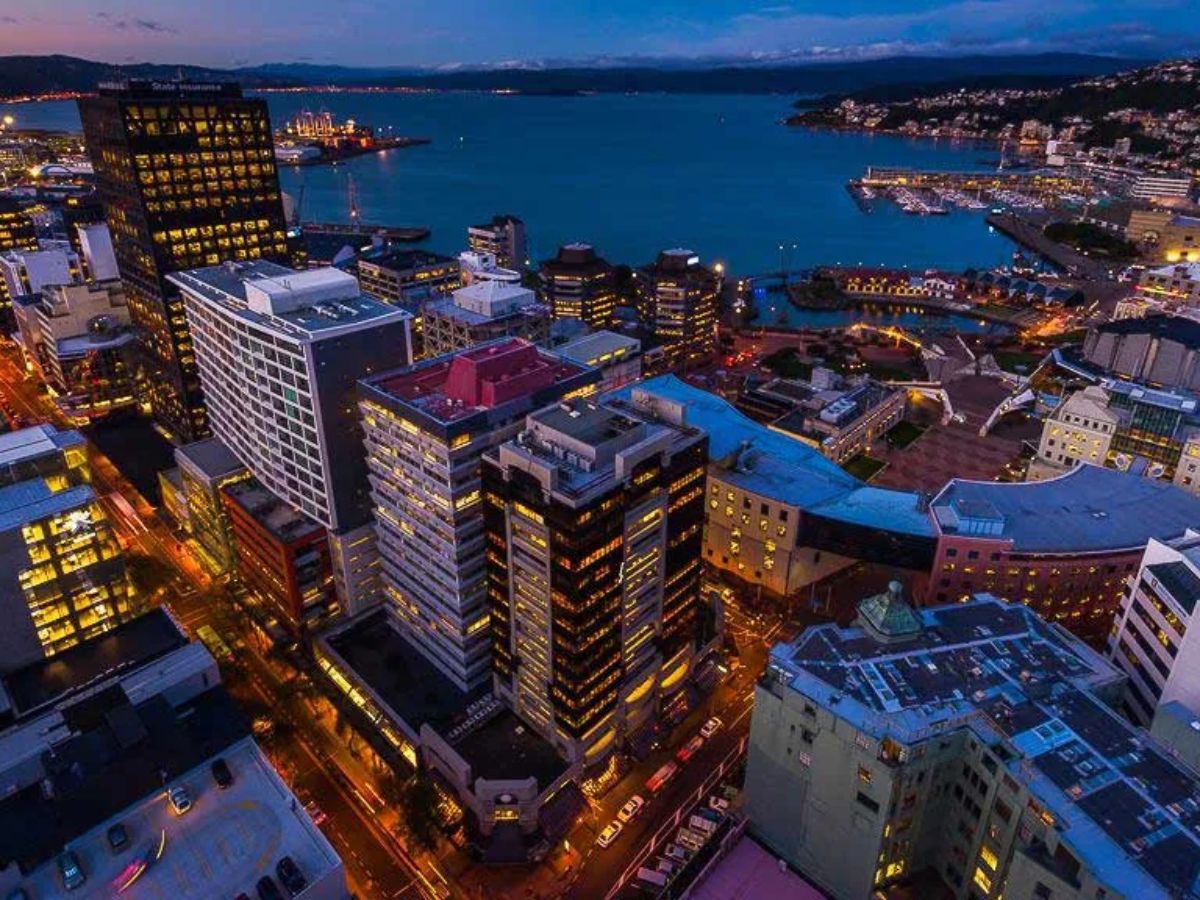
New Zealand
With PM2.5 levels averaging 5.4 µg/m³ and over 80% of its energy coming from clean sources, New Zealand’s commitment to sustainability and its expansive natural landscapes make it a haven for fresh air.
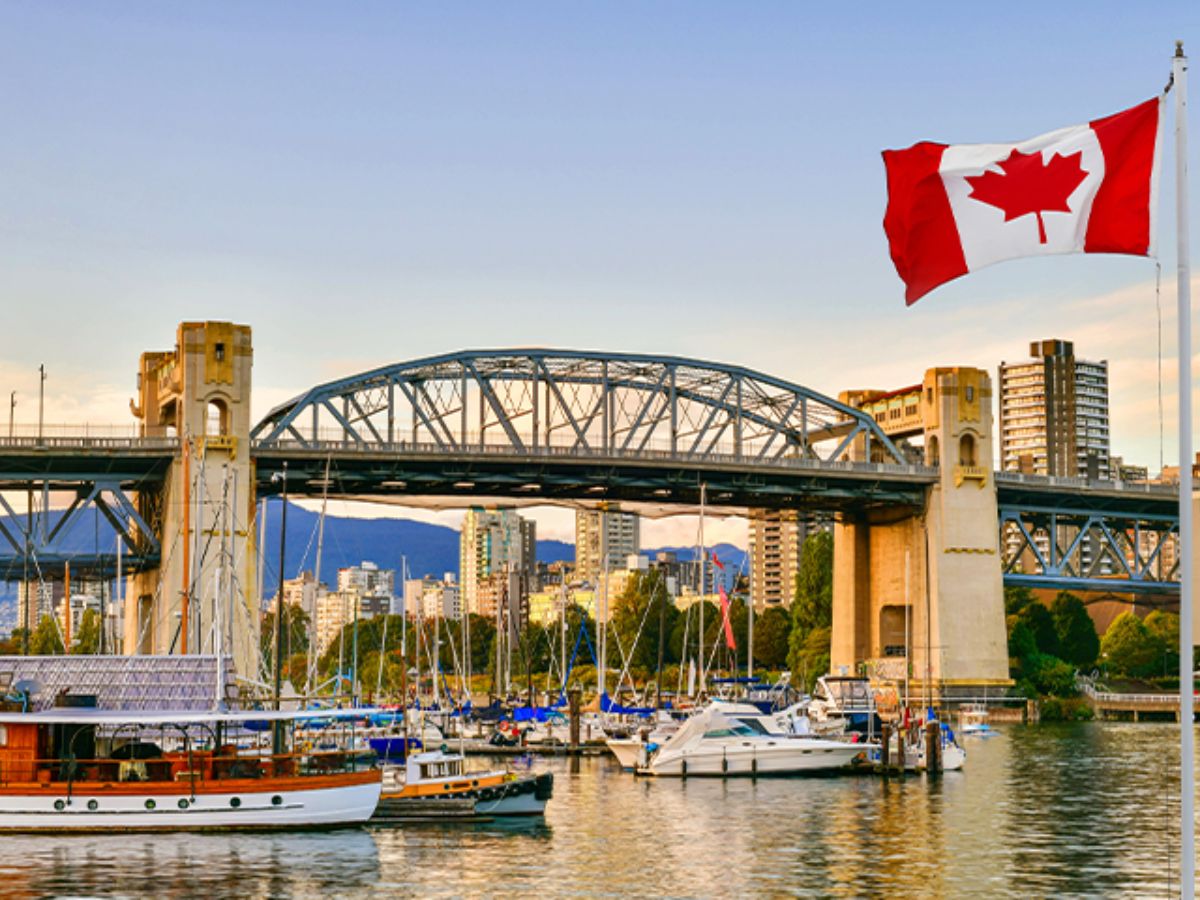
Canada
Canada’s vast wilderness and low population density contribute to its clean air. With around 66% of its energy from renewable sources, the country balances development with environmental preservation.

Norway
Norway generates nearly all its electricity from renewable sources—primarily hydropower. Combined with strong environmental regulations and abundant natural beauty, it ranks among Europe’s cleanest-air nations.
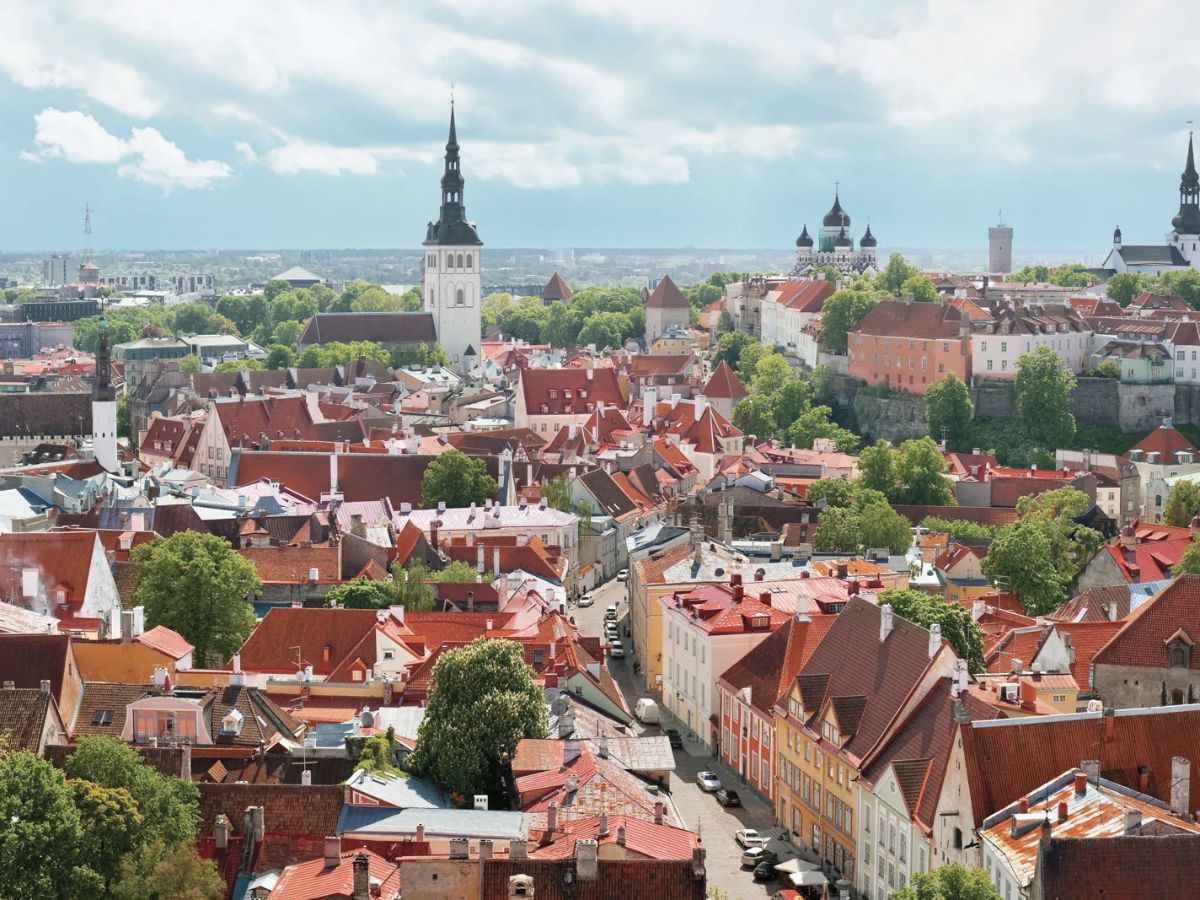
Estonia
Estonia’s air quality benefits from its extensive forests and wetlands, clean energy use (about 65%), and a low population density of roughly 31 people per square kilometer. Nature and policy work hand in hand here.
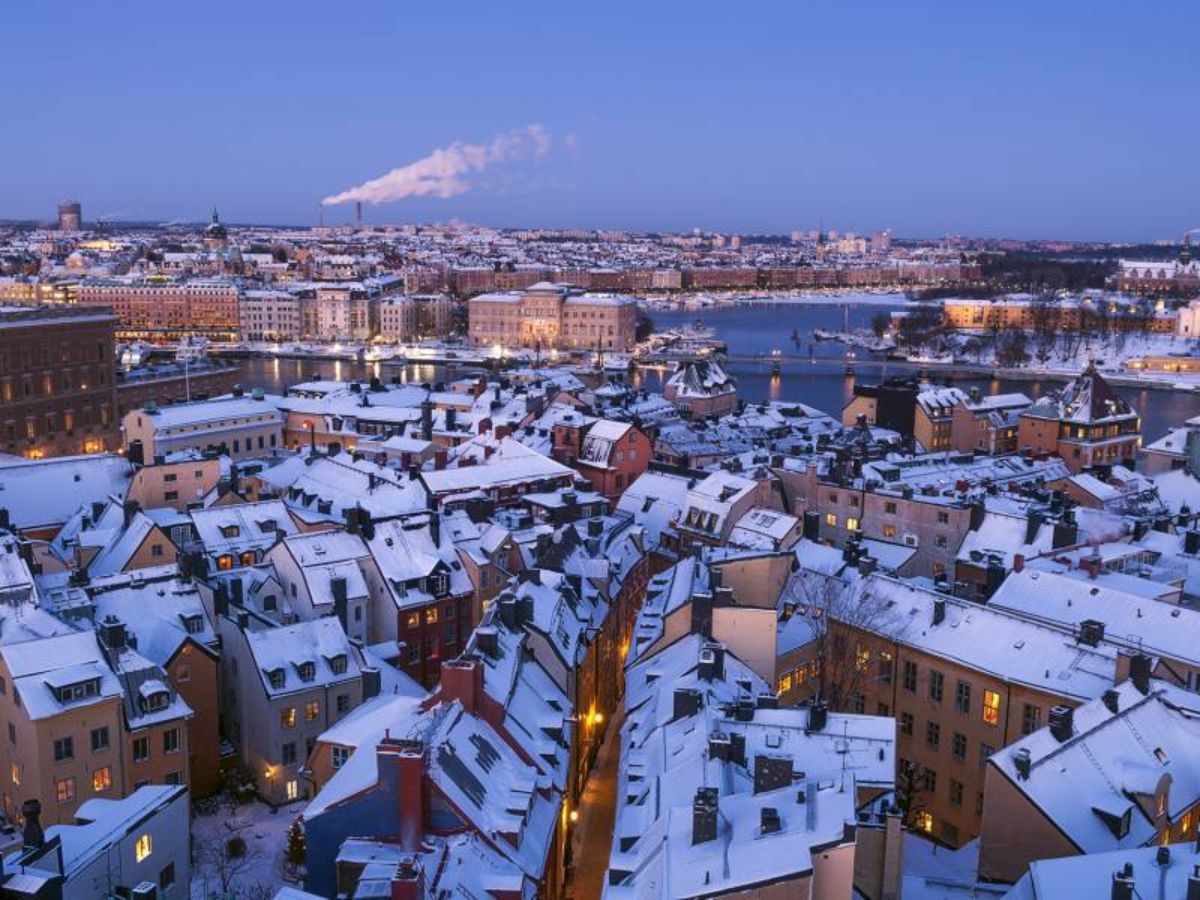
Sweden
Sweden maintains excellent air quality through a mix of clean energy (84%), forest coverage, and proactive environmental laws. With a population density of around 25 people/km², it strikes a balance between urban living and ecological care.
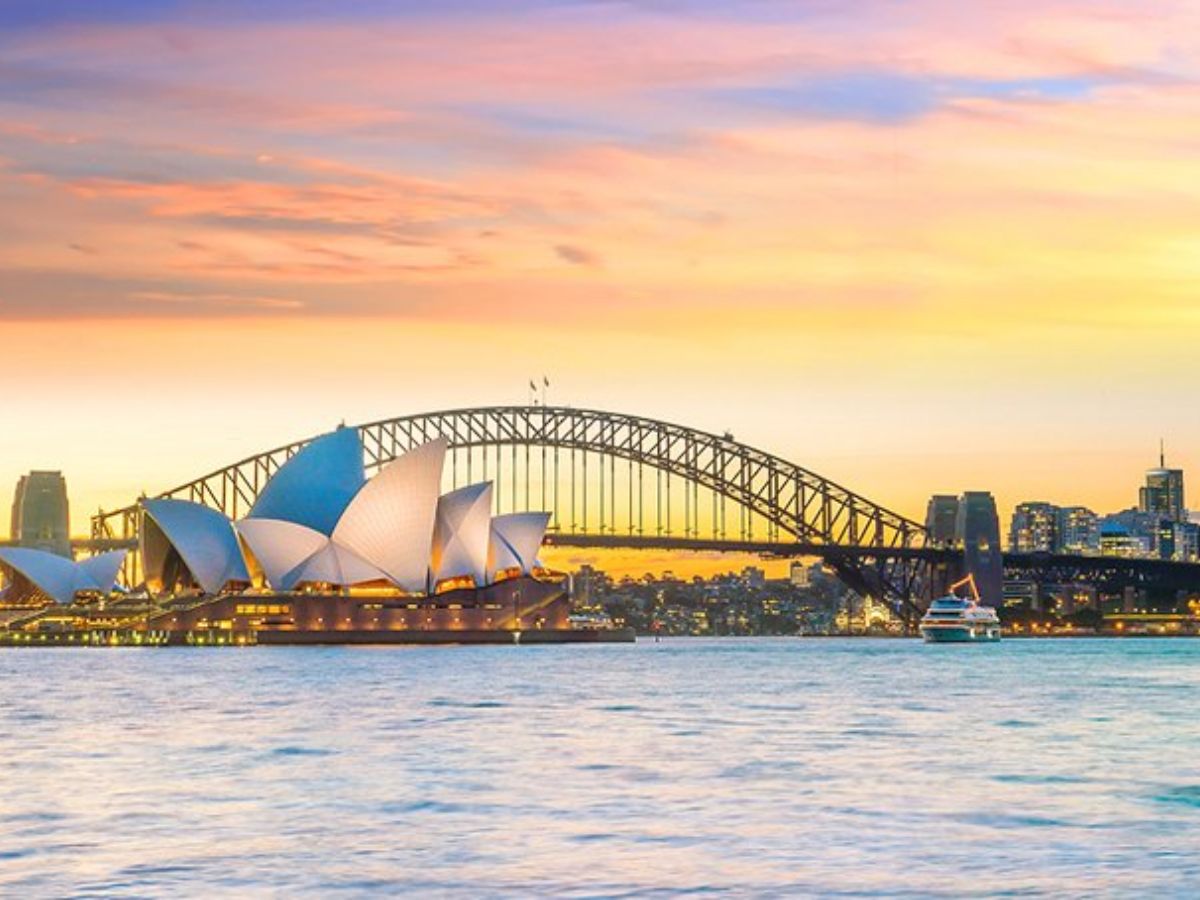
Australia
Australia’s average PM2.5 level sits at 6.9 µg/m³. Its wide-open spaces, low population density, and effective environmental policies help keep the air cleaner than in most parts of the world.

Disclaimer
The information provided is just for general knowledge purposes only, all the data is publicly available.




