
Is It Safe For Pregnant Women To Consume Seafood?
Seafood is rich in nutrients like omega-3s, crucial for fetal development. However, pregnant women should avoid high-mercury and raw fish, follow safe cooking methods, and choose low-mercury options like salmon or shrimp for a balanced, healthy pregnancy diet.

Slide 1
Seafood offers essential nutrients like omega-3s and protein, supporting a baby’s brain and eye development. However, pregnant women must choose wisely due to mercury risks and contamination to ensure safe, beneficial consumption during pregnancy.
Mercury Levels
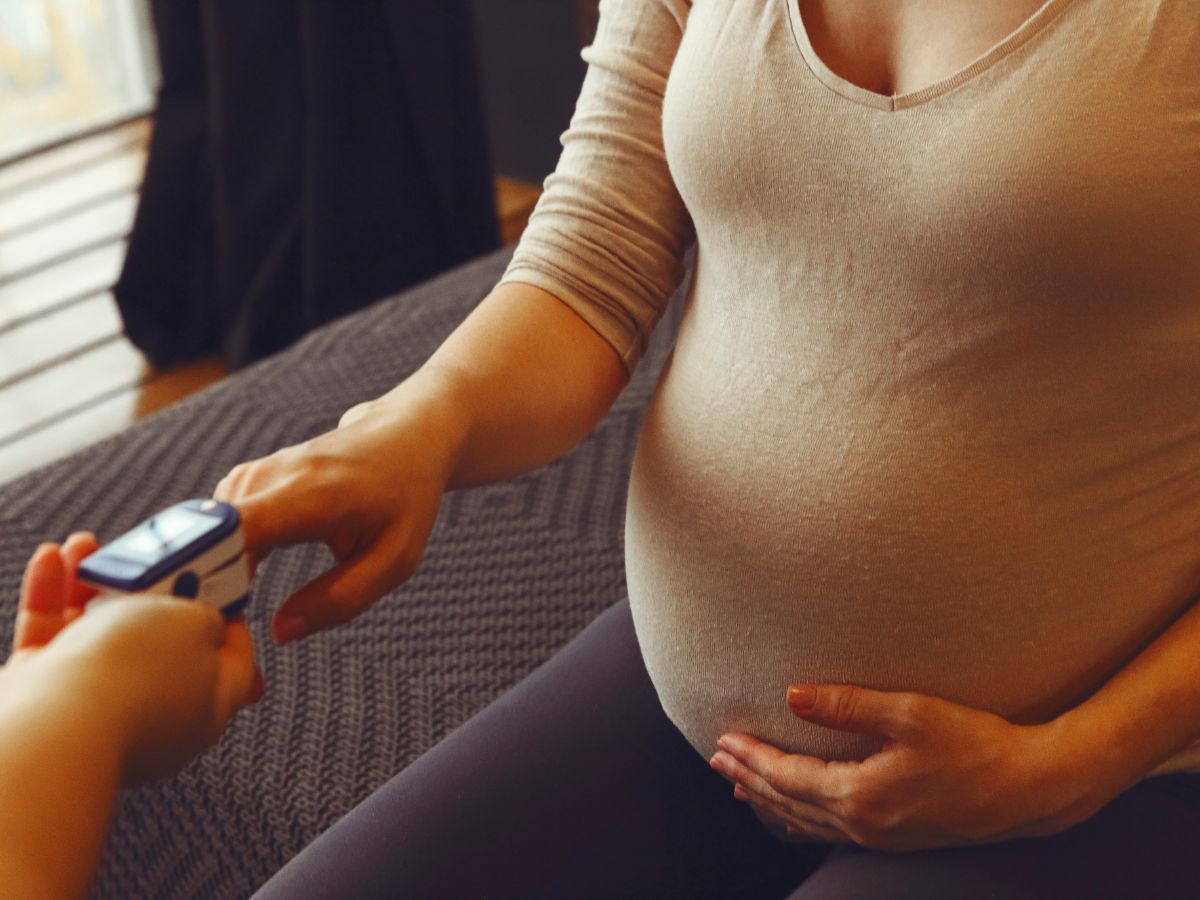
Some of the fish with the highest mercury content can negatively affect the brain development of a fetus. Avoid fish like shark, swordfish, king mackerel, and tilefish. Choosing low-mercury alternatives causes less risk to health while still providing nutritional benefits.

Avoid Certain Fish
Raw, undercooked, or high-mercury fish may pose dangers to the pregnant woman. Avoid sushi, raw shellfish, and predatory fish as these may harbor parasites, bacteria, or toxins that could adversely affect the mother and unborn child.

Cooking and Preparation
Seafood shall always be cooked to 63°C (145°F) to eliminate or destroy harmful bacteria. Avoid eating cold-smoked or refrigerated ready-to-eat seafood without reheating it first. Other safe methods of cooking include grilling, baking, steaming, and boiling to retain nutrients and ensure food safety in the process.
Serving Size
Pregnant women should aim for 2-3 servings of low-mercury seafood each week. This should not be an excessive intake to decrease mercury exposure. Spread the intake evenly throughout the week for balanced nutrition and nourishing benefits to the baby.
Safe Fish Choices
Select options that are relatively devoid of mercury, such as salmon, sardines, tilapia, trout, shrimp, and canned light tuna, which supply the vital omega-3s and protein. The idea is to mix it up to keep herself balanced and minimize any risks to the pregnancy.




