
The Truth About Hair Fall: Is Your Water Sabotaging Your Scalp?
Experiencing hair fall and scalp irritation? Dr Rashmi Shetty explains how hard water affects your hair and skin, signs to watch for, and smart ways to protect your scalp.
When Hair Fall Isn’t About Products
If hair fall increases despite using good shampoos and oils, the real problem may be your water. Hard water can quietly damage your scalp and hair health before you even notice the signs.
What Exactly Is Hard Water?
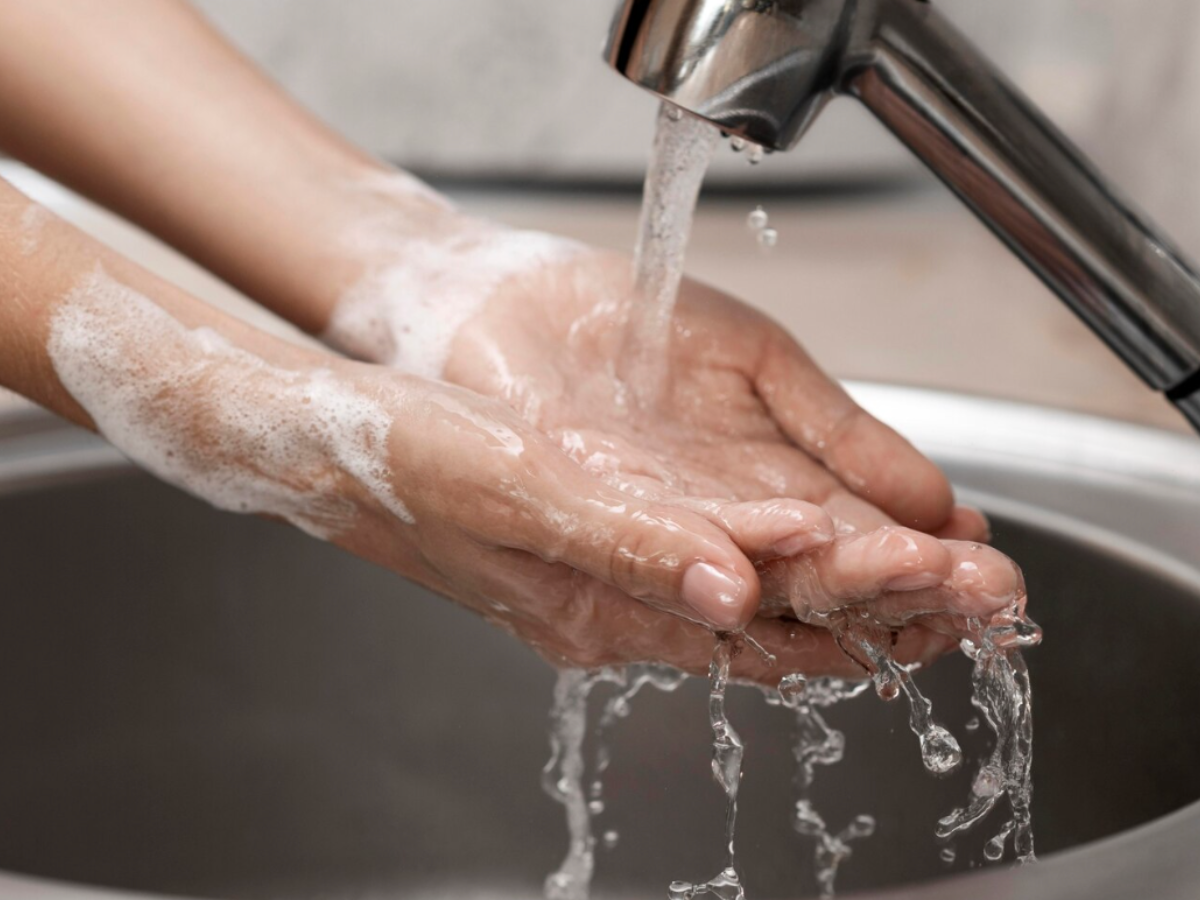
Hard water contains excess minerals like calcium and magnesium. These minerals aren’t harmful to drink, but they create heavy residue that sticks to hair and skin during bathing.

How Hard Water Affects Your Scalp
Mineral buildup blocks the scalp, leading to dryness, itchiness, irritation, and flare-ups of conditions like eczema. Over time, this unhealthy scalp environment can worsen hair fall.
Why Your Hair Feels Rough and Frizzy
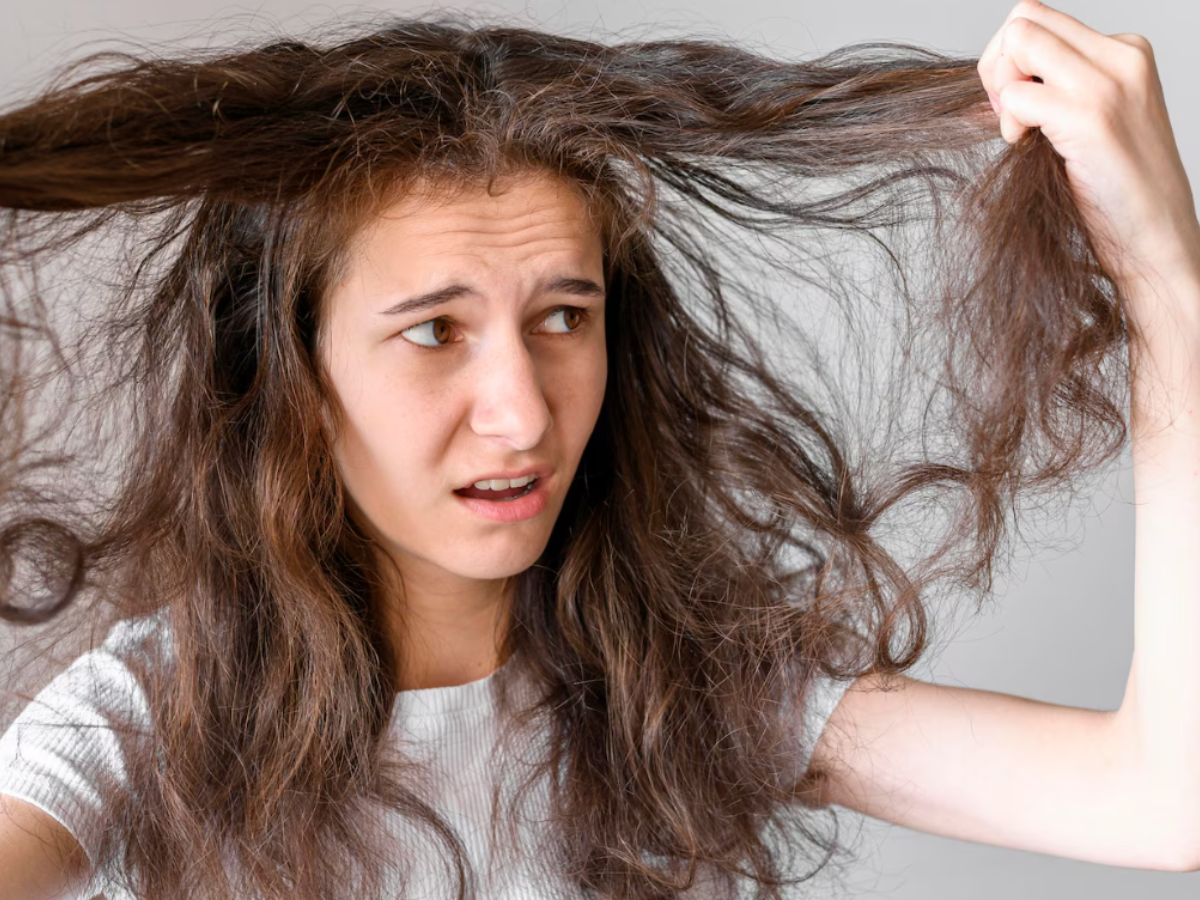
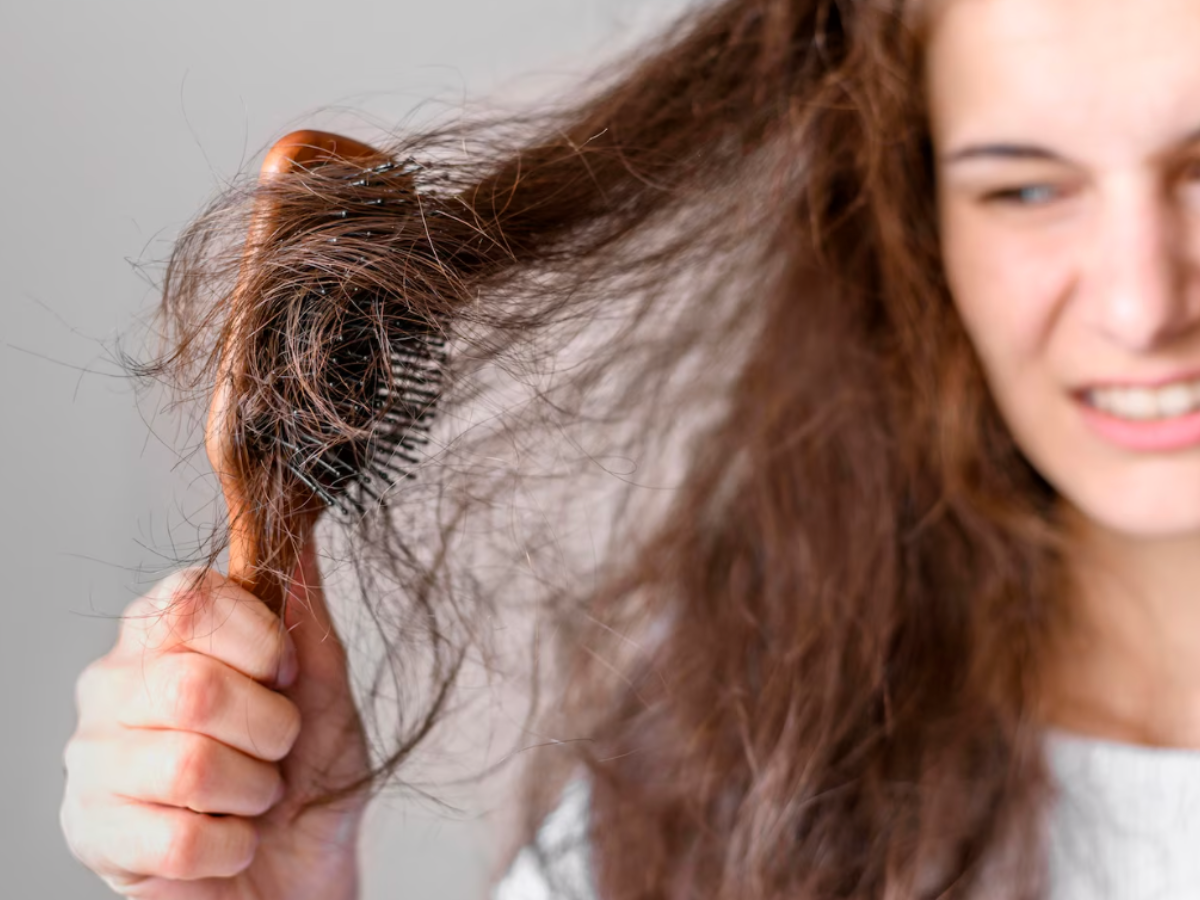
Hard water coats hair strands, making them tangled and stiff. This causes more breakage, frizz, and dullness, leaving hair difficult to manage even right after washing.
Easy Signs Your Water Is the Problem
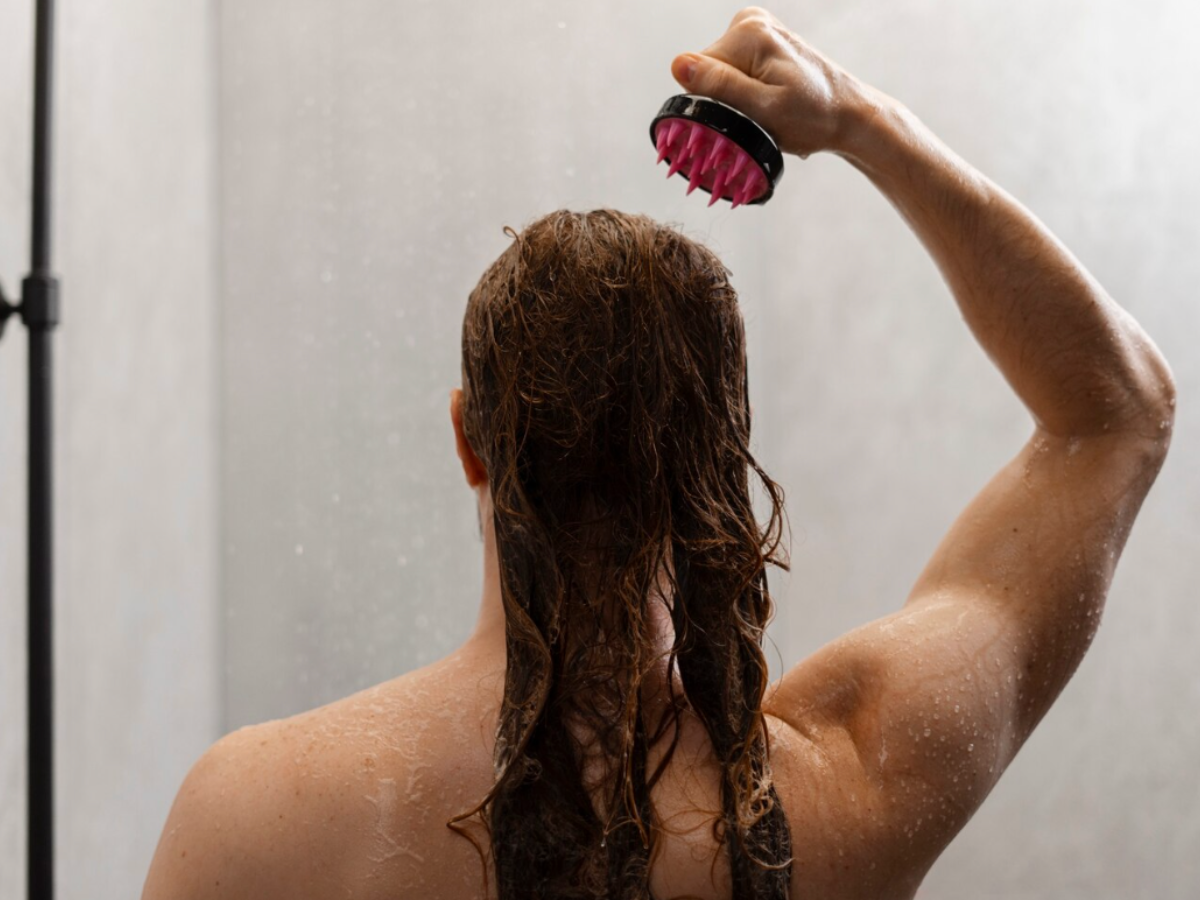
If soap and shampoo don’t lather well, hair feels tangled while washing, and skin feels tight afterward, these are common signs of hard water affecting your hair and scalp.
Travel Can Trigger Sudden Hair Issues
Many people notice dryness or hair fall while travelling. Different cities often have harder water, which can quickly irritate your scalp and disrupt your usual hair care routine.
What You Can Do to Protect Your Hair
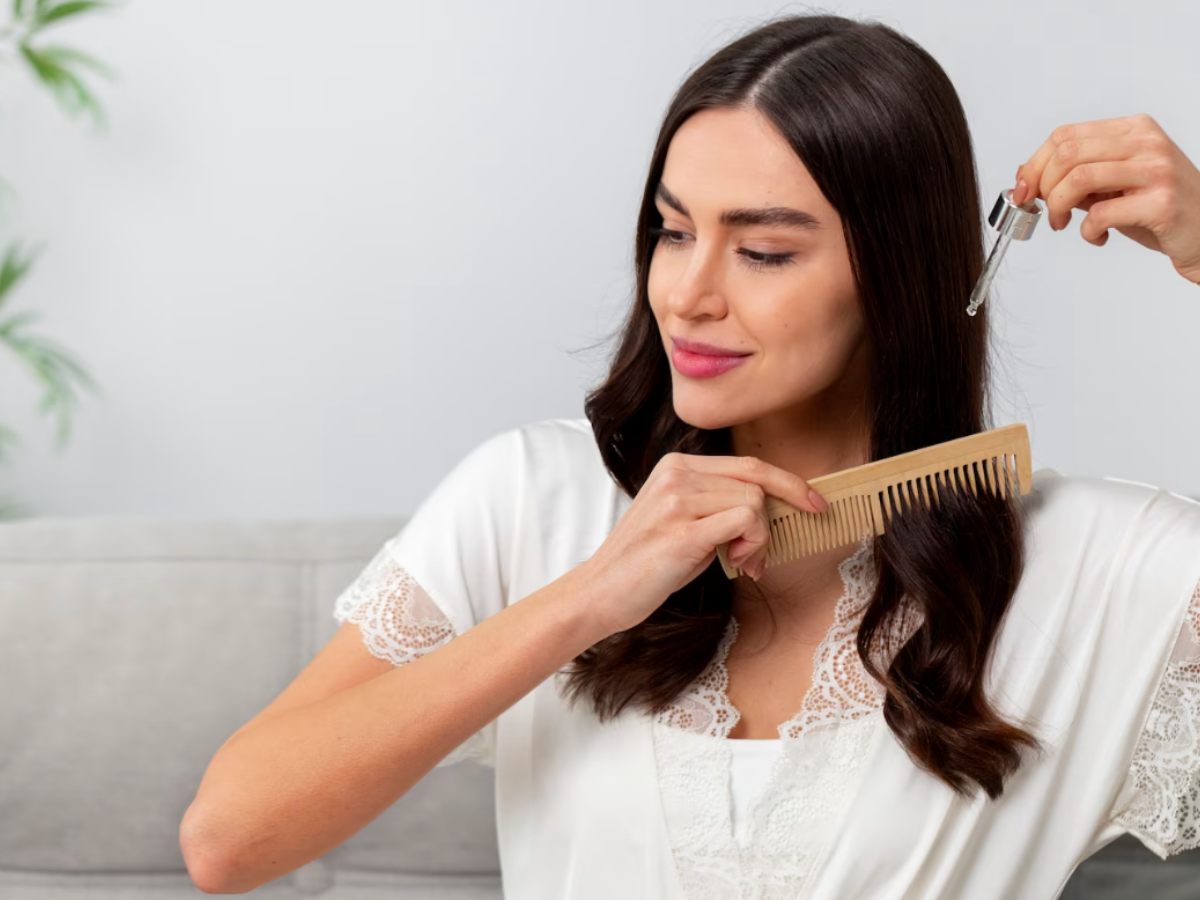
Limiting hair washes with hard water and using filtered or bottled water can protect your hair.

Healthy Hair Starts With Your Scalp
Hair fall isn’t always internal or genetic. Sometimes, changing how and with what you wash your hair can restore scalp balance, reduce irritation, and support healthier hair growth.

Disclaimer:
The information provided on this platform is for general informational and educational purposes only and is not a substitute for professional medical advice, diagnosis, or treatment. Always consult a qualified healthcare professional, dermatologist, or nutritionist regarding any health, fitness, or beauty concerns. Individual results may vary.




