
This Independence Day, Explore Must-Visit Memorials Showcasing India’s Journey To Freedom: In Pics
Independence Day of India is an event of celebration when brave people and sacrifices brought birth to the freedom of the country. All these places the Delhi Gate of India imposing and the national War Memorial of the somber Raj Ghat are all places that can keep the history of the heroic deed. The emotive soul of the flame of the Amar Jawan Jyoti, the poignant scars of the Jallianwala Bagh and the morbid remembrance of the Cellular Jail is what makes the tourists feel the power of struggle to fight oppression. On memorials like Shaheed Smarak, Teen Murti Bhavan and Netaji Bhawan, leadership, strategy, and patriotism can be seen. Hussainiwala National Martyrs Memorial is dedicated to the young valour. Collectively, these monuments provide a trail of the struggle that India had to endure and leaves one with a sense of unification, pride and thankfulness of freedoms that we enjoy nowadays.
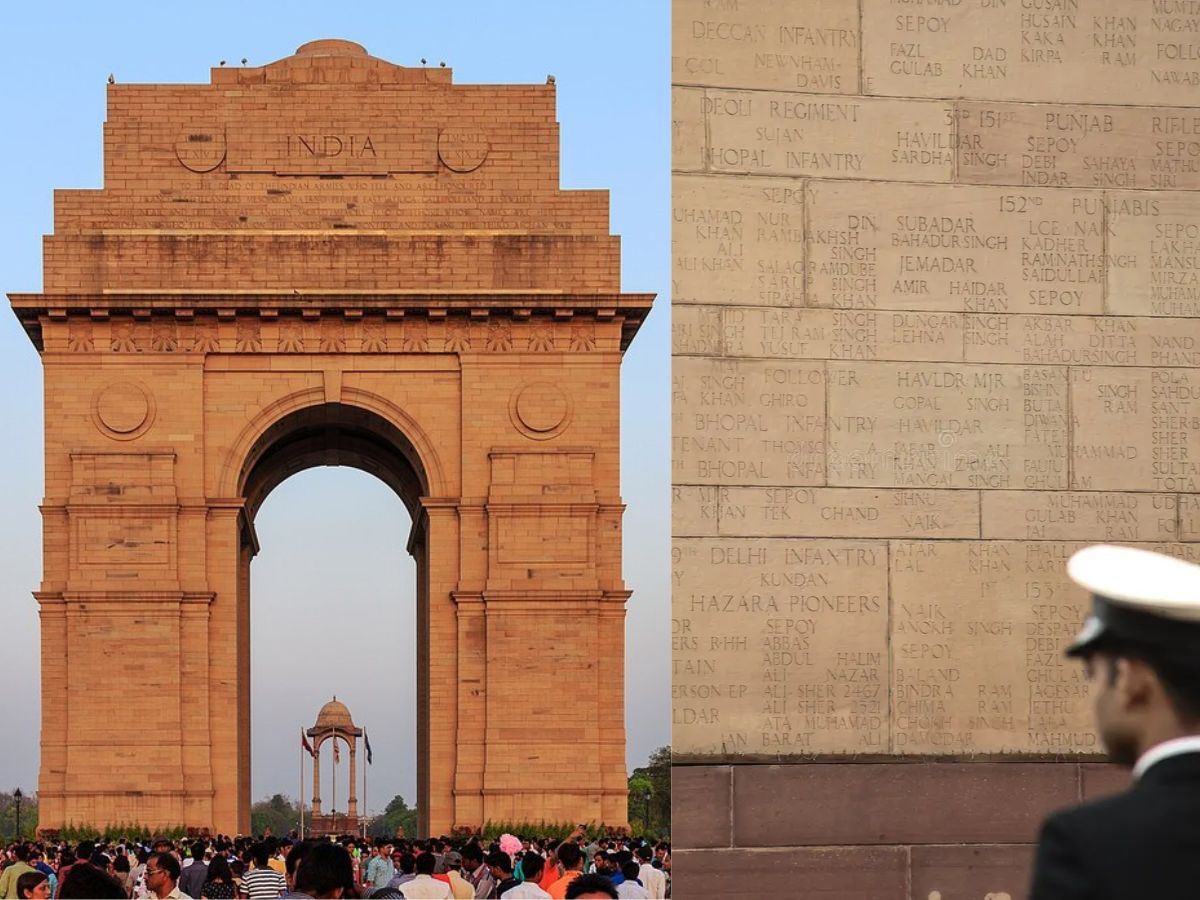
India Gate – Honoring the Fallen Heroes of World Wars
India Gate, an archway standing at 42 meters high is arguably the most renowned war memorials in India and was designed by Sir Edwin Lutyens. It was built in remembrance to commemorate the fallen 84,000 soldiers of the British Indian Army who lost their lives in World War I and Third Anglo-Afghan War, in addition to this, its walls carried the names of over 13,000 soldiers. It should transform to a setting of honor and commemoration on Independence Day and the visitors offer their sacrifice in remembrance of the heroism and sacrifice of the people who died. At night, the monument is delicately lit up and the grasses that flank it renders it a good place of reflection.
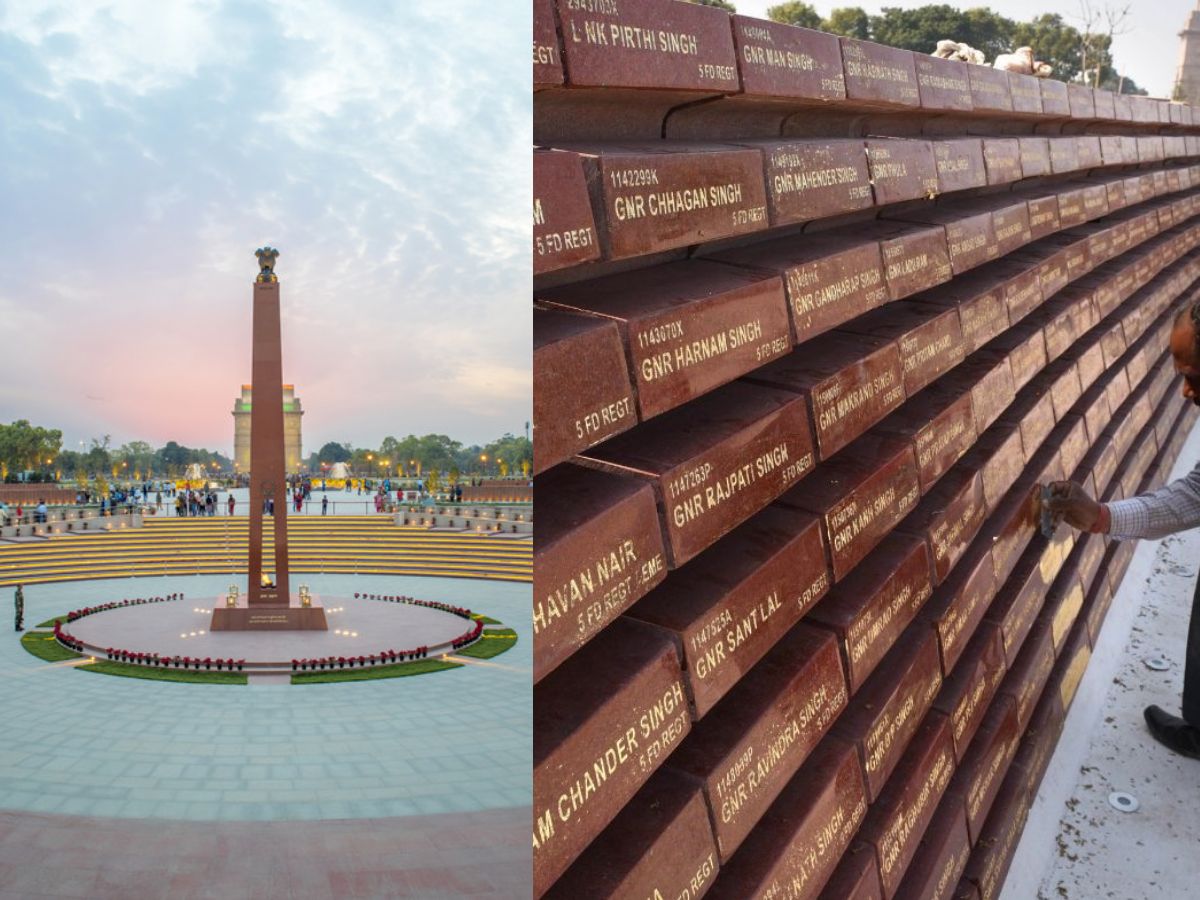
National War Memorial – A Tribute to Post-Independence Martyrs
The National war memorial located beside India gate is consecrated in 2019 to remember the soldiers who sacrificed their lives after India gained its independence in wars, counter-insurgency combat, and humanitarian causes. It is located on 40 acres and has concentric circles that represent protection, valor and sacrifice. The spirit of the Amar Jawan Jyoti is replicated by the eternal flame at its centre. The walls in the building of the memorial contain the names of more than 25,000 combatants that provide a very solemn reminder of the cost paid towards peace. A visit on Independence Day is particularly poignant as parades and commemoration are used to exemplify the tales of heroism and it reinstates the high regard that citizens believe in the armed forces.
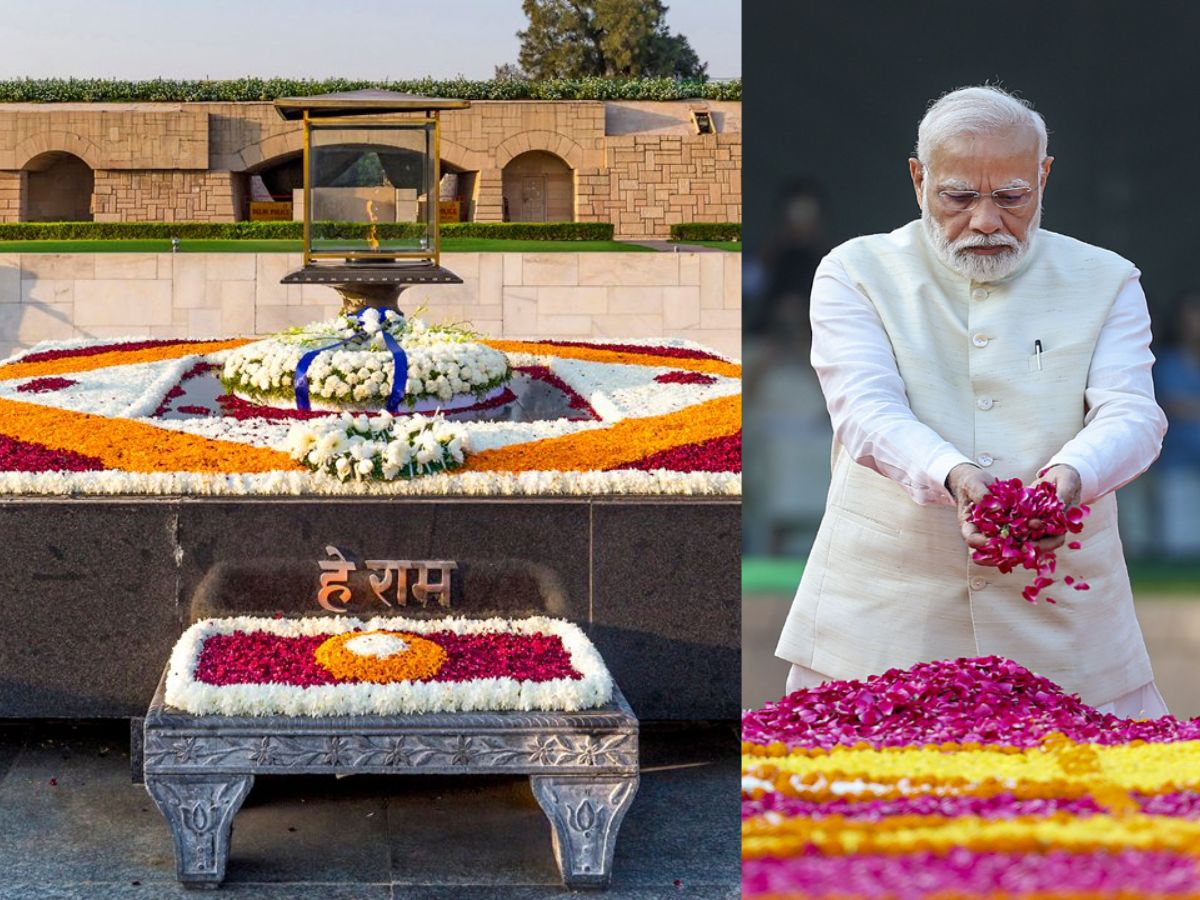
Raj Ghat – Remembering the Father of the Nation
Raj Ghat is a cremation place of Mahatma Gandhi the father of the nation. It is situated on the banks of Yamuna River, where one can find a simple black marble platform where his deathbed note is displayed, “Hey Ram.” The location is encircled by beautiful gardens and walking avenues that impart serenity and austerity just like Gandhi led a modest life. It becomes the center of attraction by dignitaries and other citizens on the day of independence when they give it floral tributes. Other leaders also have their memorials all around the region and this is a site of reminiscing the history of India towards freedom and symbol of non violence, the truth and unity that Gandhi bred.
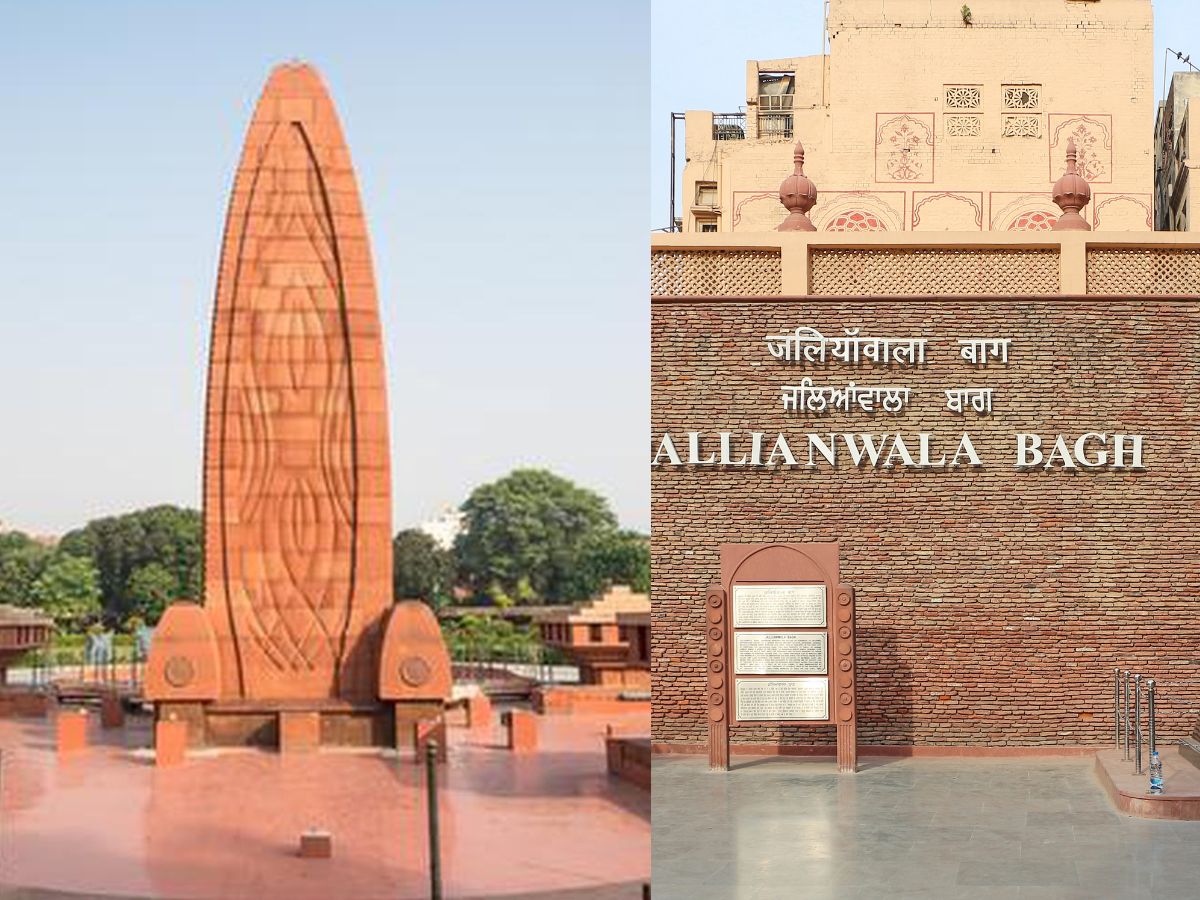
Jallianwala Bagh – A Testament to Colonial Atrocities
It is a public garden set in what is known as jallianwala bagh which later came to be regarded as a symbol of national mourning and remembrance after the Jalianwala Bagh massacre of 1919 when the British Indian Army under the leadership of Lt. General Dyer ordered the commencement of mass shooting on innocent protestors killing hundreds of them. The ghostly reminders of the barbarity of colonization that we come across today are the bullet scars in the walls and the Martyrs well where people hurled themselves in order to escape the gunshots. The memorial located in the garden honors the lives of the innocent people and the role that they played to enhance the independence movement in India. Independence Day is quite an emotional affair as citizens arrive, grieving, and with pride and the history of the day reminds all the Indians of how tough and united people born of tragedy are.
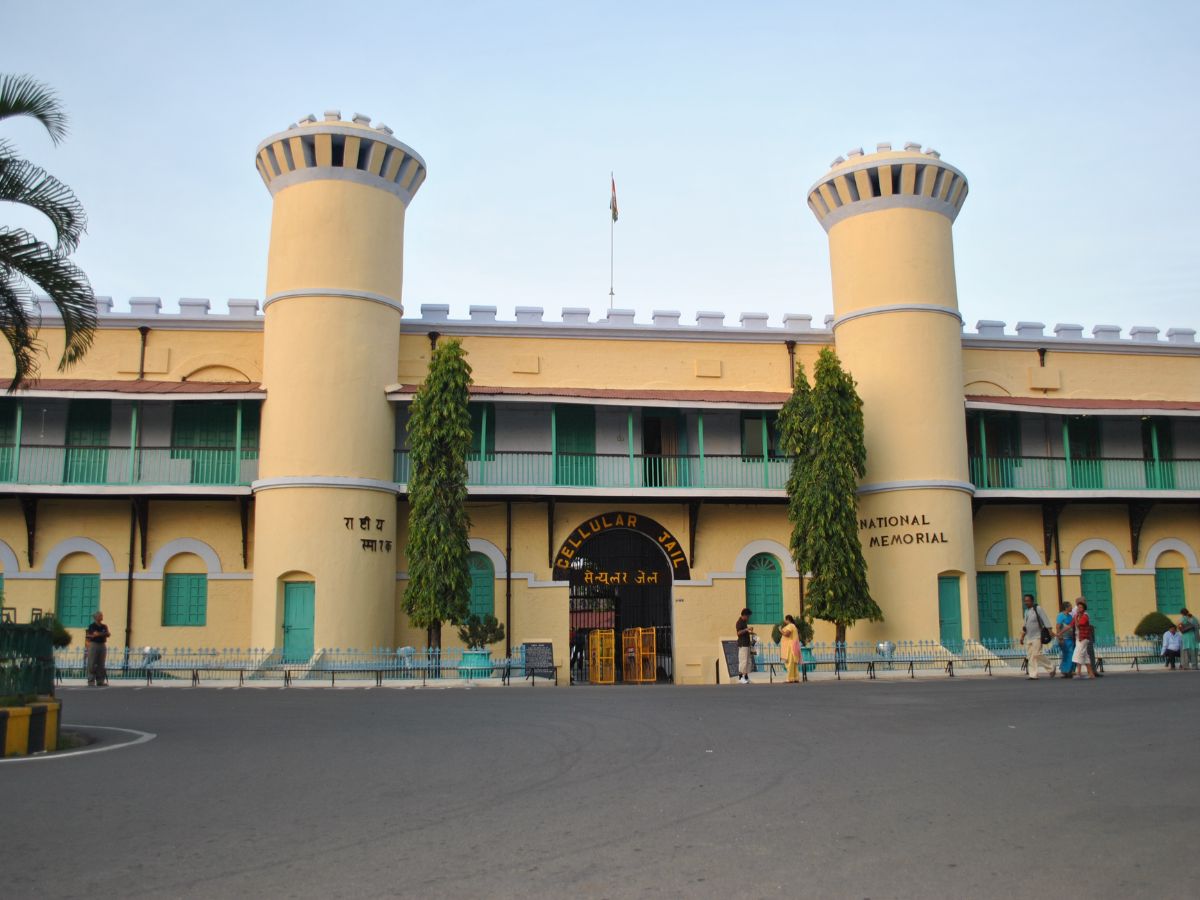
Cellular Jail – The Dark Symbol of Freedom’s Price
Cellular Jail was a feared prison in colonial times also called Kala Pani, where freedom fighters were imprisoned and treated inhumanly. It was erected at the end of the 19th century and has seven extensions in the shape of wings resting around a main tower as a symbol of isolation. Such leaders as Veer Savarkar, Batukeshwar Dutt, and many more experienced the hardest time here. It is a national memorial site today featuring a museum with an account of the struggles of the prisoners. Special events and light-and-sound shows that tell the stories of the sacrifices and heroes are offered on Independence Day on the site making it an emotional reminder of the individual price that India paid to achieve independence.
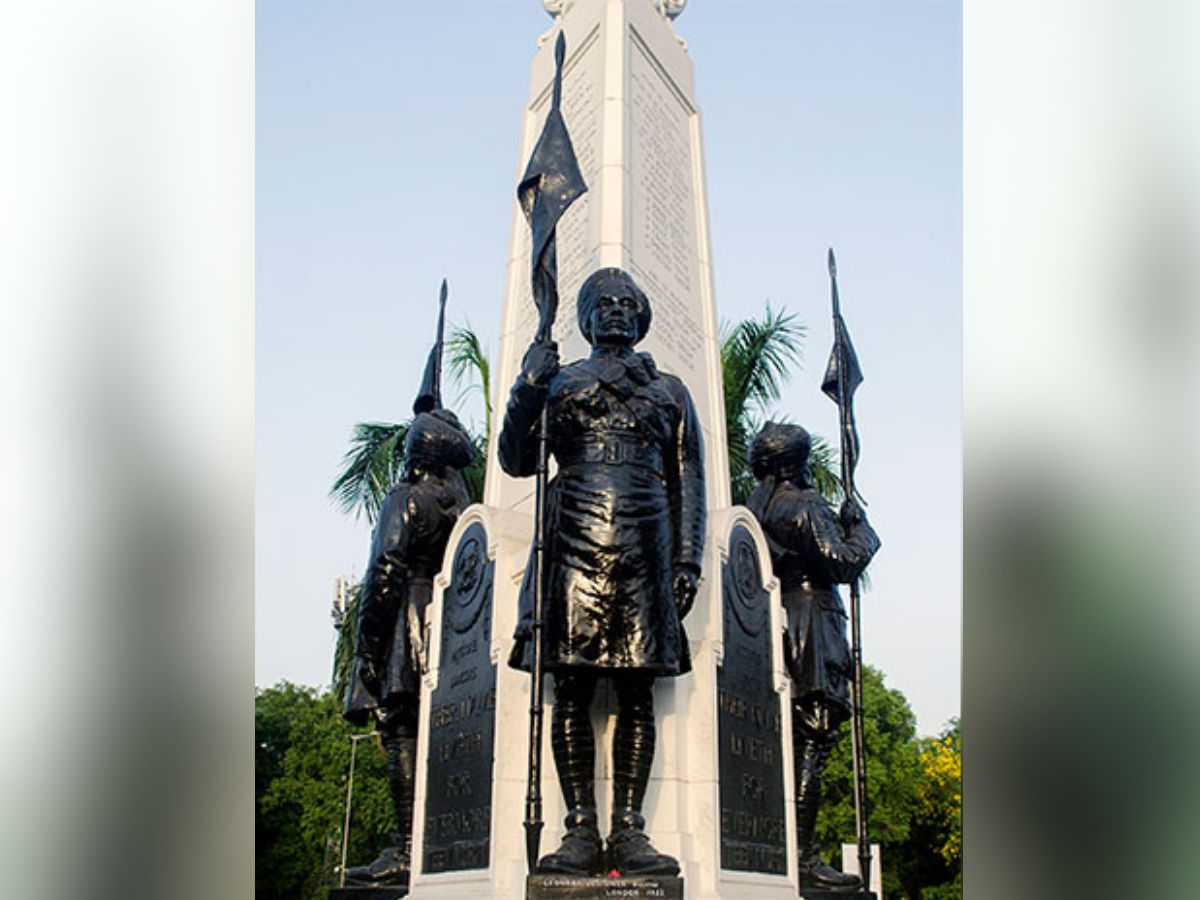
Teen Murti Bhavan – Nehru’s Legacy and Soldiers’ Sacrifice
Teen Murti Bhavan has a long history of originating as the home of the British Commander-in-Chief in India and currently the official residence of first Prime Minister of India Jawaharlal Nehru. It is currently a museum and library having an exhibition on the life of Nehru, his contributions to the freedom struggle and his vision about a modern India. The memorial in front of the building is the Teen Murti (Three Statues) memorial to honour the Indian soldiers who fought in World War I, hence the name of the building. Independence Day at the Bhavan sees many visitors who are interested in hearing about Nehru and his ideologies on leadership. It has immaculately maintained gardens, historical exhibits and it is historic and is therefore a patriotic, educational site.
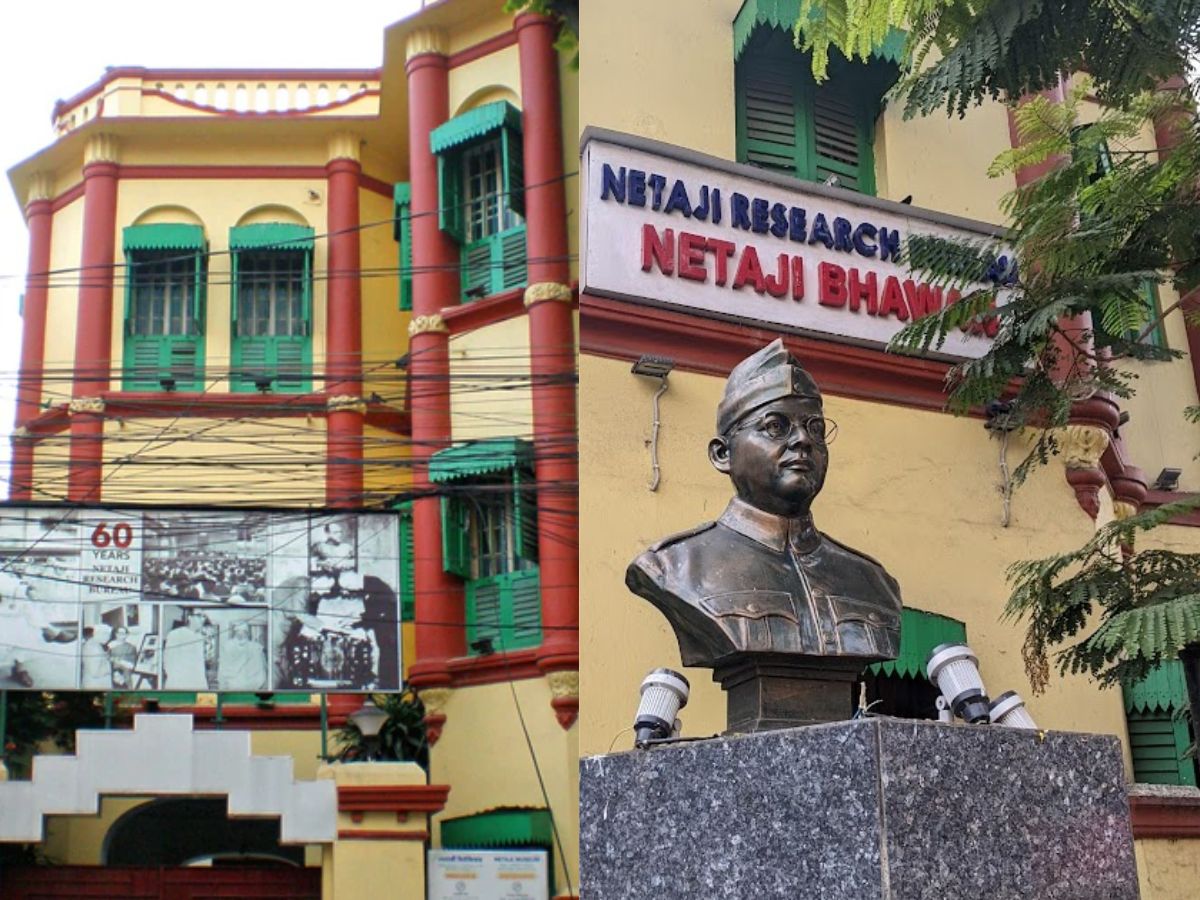
Netaji Bhawan – The Legacy of Subhas Chandra Bose
Subhas Chandra Bose Family home (Netaji Bhawan) is converted into the museum on his life. It is here that Bose fled in the year 1941 to seek some of the foreign aid in the sense of Indian freedom. Some of the things involved in the museum are personal things, letters, photographs and documents which pertained to his handling of the Indian National Army (INA). An Independence Day visit can produce the thrilling impression of Bose and his daredevil or strategist genius. The location acts as a reminder of the other, militant path to freedom since the non-violent struggle was coupled with, and continues to remind the Indians of the importance of the defense of courage and patriotism.
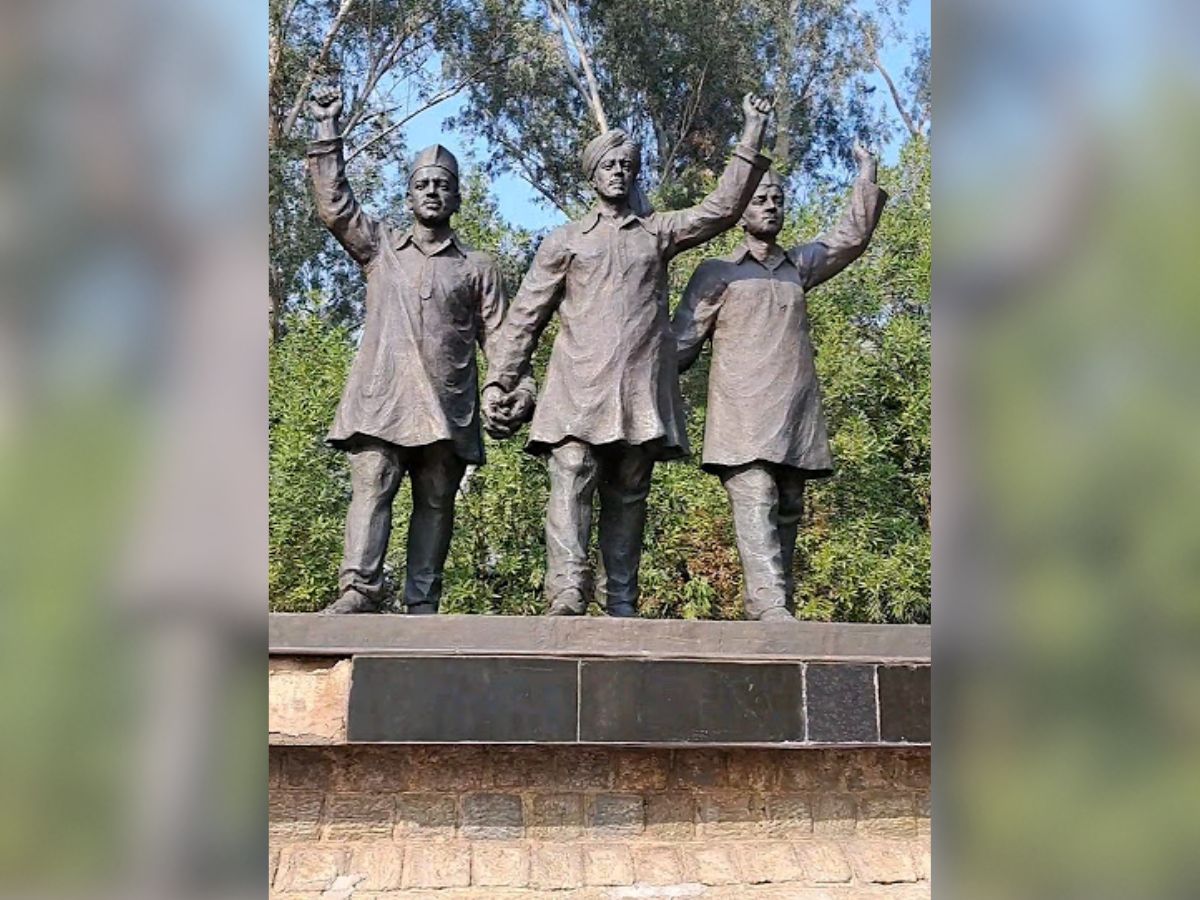
Hussainiwala – Memorial to Bhagat Singh, Rajguru & Sukhdev
The Indo-Pak Border and therefore the cremation site of the three revolutionary martyrs of the Indian freedom movement, Bhagat Singh, Rajguru and Sukhdev are towards this Hussainiwala National Martyrs Memorial. A museum has been established to have statues of the three and the establishment of a Shaheedi Mela in their memory every year. Independence Day is visited by thousands of people and in the air there are national anthems and speeches followed by commemorative ones. There is a museum close by having pictures, writings and objects that are relevant to the lives of the martyrs. Being a kind of symbol of young rebellion and not instilled fear, this place inspires individuals to love and strive to preserve this freedom, which brave men died to obtain.




