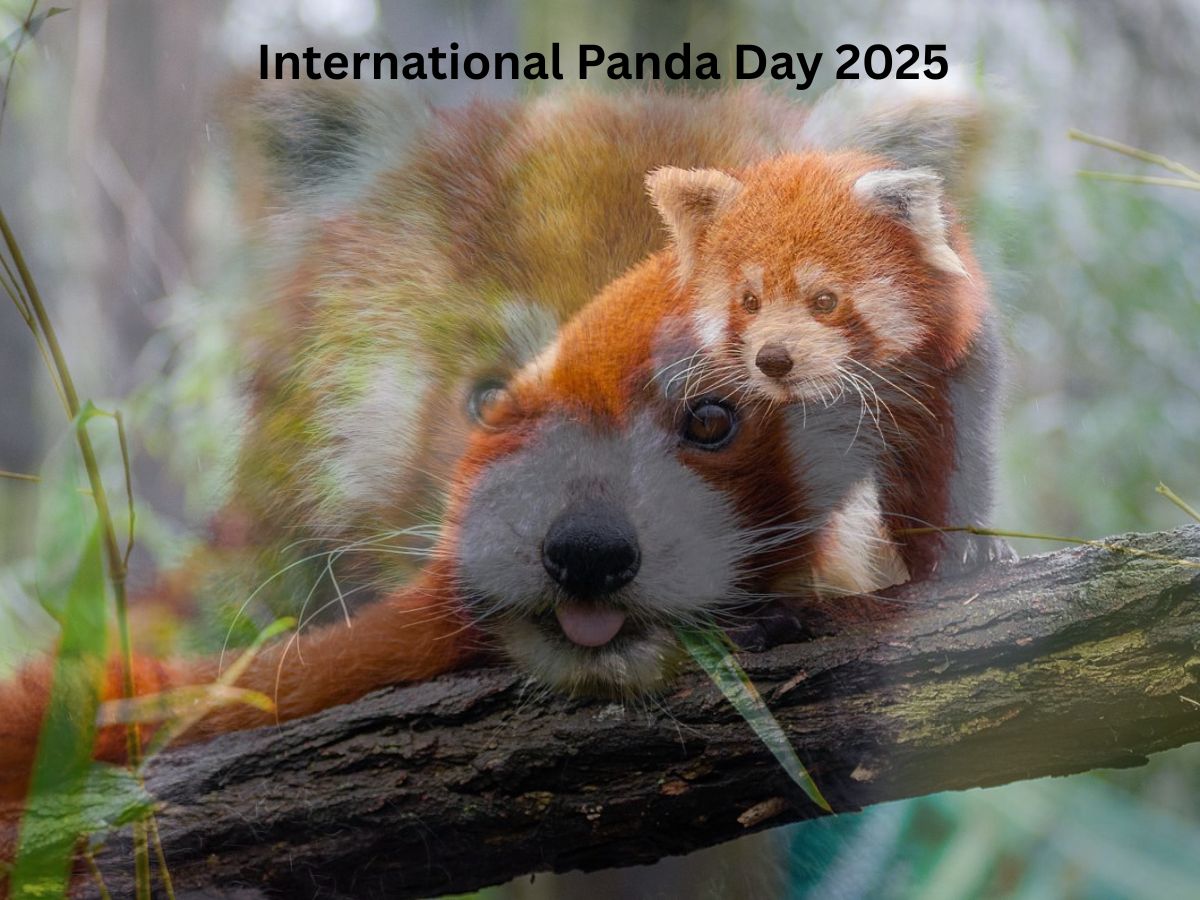

The red panda is a rare and enchanting creature that captivates wildlife enthusiasts with its unique appearances and secretive lifestyle. Often mistaken for a raccoon or a small fox, the red panda is not closely related to the giant panda despite sharing its name. Known as the fire fox due to its reddish brown fur, the red panda is a symbol of balance in nature and plays a vital role in ecosystems where it thrives. This species is currently classified as endangered due to habitat loss and declining population.
-
Unique Features of the Red Panda-
The red panda is easily recognizable by its striking reddish-brown fur, bushy tail with distinctive light and dark rings and white markings on its face that resemble a mask. Adults typically weigh between 3-6 kg and majors about 50-60 cm in length, excluding their tails. Their tails not only help with balance but also act as blankets to keep them warm in cold environments. Unlike many animals, red pandas have a pseudo-thumb and extended wrist bone which helps them to grasp bamboo and climb trees with ease.
-
Diet: What Red Pandas Eat-
Though classified as carnivores, red pandas are primarily herbivorous. Their diet is dominated by bamboo, just like giant pandas, but they also consume berries, fruits, acorns, and occasionally small insects or bird eggs. Since bamboo is low in nutrients, red pandas spend a large portion of their day eating, consuming around 2 to 4 kilograms of bamboo leaves and shoots daily. This diet limits their energy levels, which is why they are often seen resting or sleeping during the day to conserve energy.
-
Behavior and Reactions-
Red pandas are shy, solitary, and mostly nocturnal. They are expert climbers, often staying high in trees to avoid predators and remain undisturbed. When threatened, red pandas try to escape by climbing higher into the trees. If cornered, they stand on their hind legs and extend their sharp claws to appear larger and more intimidating. Known for their quiet and gentle demeanor, they communicate through body language, squeals, whistles, and scent markings. They are also known to be playful, especially young cubs, often engaging in playful wrestling and chasing.
-
International Red Panda Day-
International Red Panda Day 2025 will be observed on September 20, 2025, to spread awareness about the conservation of red pandas, an endangered species. Organized by the Red Panda Network, this day aims to educate people about the threats red pandas face, including deforestation, habitat loss, and poaching. Zoos, wildlife organizations, and schools worldwide will host events, awareness campaigns, and educational programs to inspire collective action. Celebrating this day emphasizes the importance of protecting red pandas and their Himalayan habitats, ensuring a sustainable future for these adorable creatures and maintaining ecological balance in their native regions.
-
Where Red Pandas are Found-
Pandas are native to the temperate forests of Himalayas and can be found in countries such as India, Nepal, Bhutan, Myanmar, and China. In India, they are primarily found in the forests of Sikkim, Arunachal Pradesh, and parts of West Bengal. Their preferred habitat includes cool, high-altitude forests with dense bamboo undergrowth.
Conclusion
The red panda is a fascinating creature that combines beauty, mystery, and ecological importance. While it may appear small and delicate, its role in maintaining forest health is immense. Celebrating World Red Panda Day serves as a reminder for the urgent need to protect these adorable animals and their natural habitats. Through global conservation efforts and increased awareness, we can ensure the survival of red pandas for future generations to admire and cherish. Protecting them is not just about saving one species but about preserving the delicate balance of our planet’s biodiversity.