
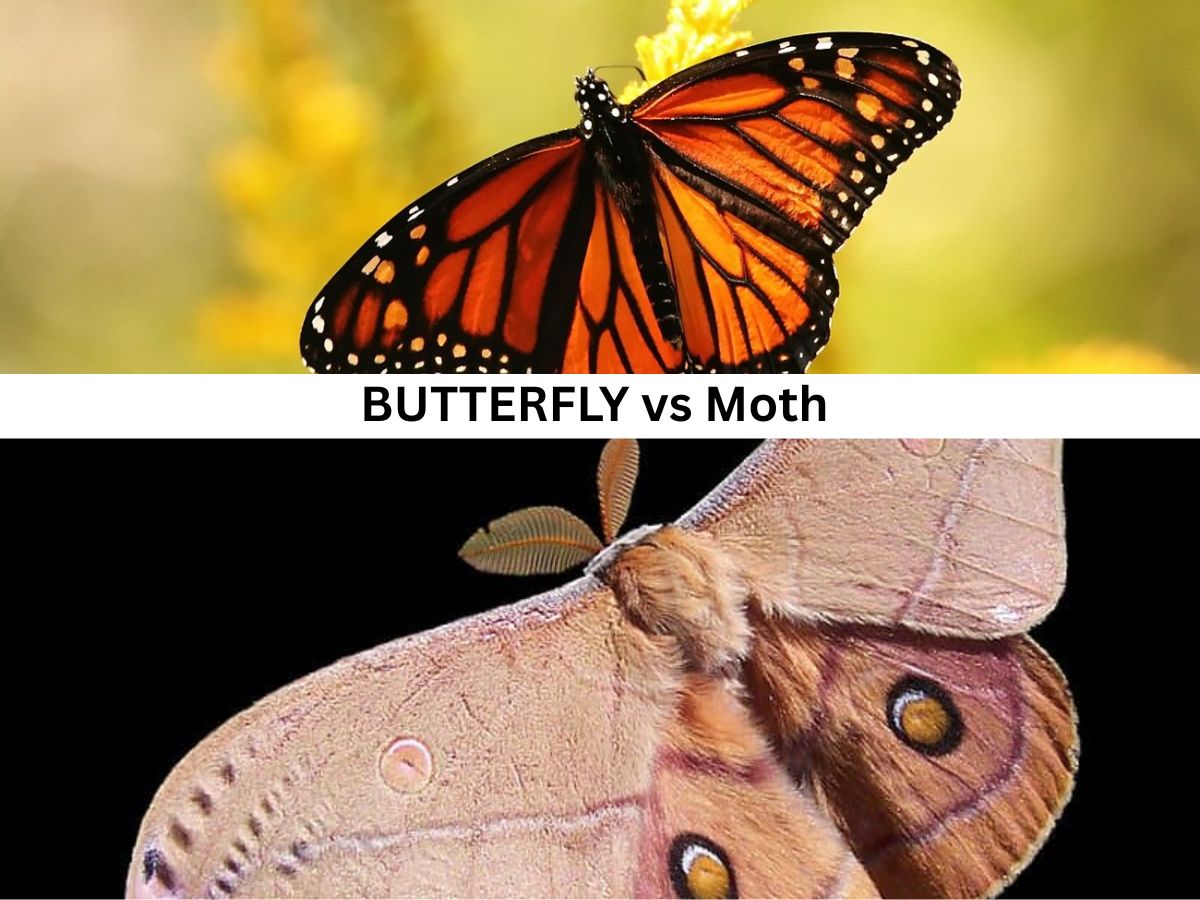

Butterflies and moths are both beautiful insects belonging to the order Lepidoptera. When they may took similar at first glance, they have many differences in appearance, behavior, and lifestyle. Knowing how to distinguish between them can help you appreciate their unique roles in nature.
Habitat and Lifestyle
- Butterflies, are primarily daytime creatures. They are most active during sunny hours, feeding on nectar and fluttering among flowers.
- Moths, on the other hand, are mostly nocturnal, coming out at night to feed and mate. This difference in activity also influences their physical traits and behavior.
Wings and Color Pattern
One of the earliest ways to tell them apart is by their wings.
- Butterflies have bright, colorful wings with intricate patterns, making them highly visible during the day.
- Moths usually have dull or earthy-colored wings, which help them camouflage in their surroundings, protecting them from predators at night.
Resting Position
-
Butterflies rest with their wings folded vertically over their backs, giving them a sleek appearance.
-
Moths, however, rest with their wings spread out flat or tent like over their bodies, providing better coverage and protection.
Antennae Structure
The shape of their antennae is another major difference:
-
Butterflies have thin, slender antennae with clubbed tips, resembling tiny sticks with knobs.
- Moths have feathery or comb-like antennae, which help them detect pheromones in the dark for mating.
Body Type
- Butterflies generally have slim, smooth bodies, making them lighter and faster flyers.
- Moths possess thicker, furry bodies, which keep them warm during cooler nighttime temperatures.
Life Cycle and Pupae
Both insects go through metamorphosis, but their pupae differ.
- Butterflies form a chrysalis, a smooth and shiny protective covering.
- Moths spin silken cocoons, which are soft and often hidden among leaves or soil.
Behavioral Difference
Butterflies are attracted to brightly colored flowers and tend to fly gracefully in the open.
Moths are drawn to light sources at night and usually prefer to stay hidden during the day.
Conclusion
Butterflies and moths may belong to the same insect family, but their differences are clear once you know what to look for. From their wing colors and resting positions to their antennae shapes and activity patterns, each has unique traits that suit their environment. Butterflies symbolize grace and vibrancy with their daytime flights, while moths thrive at night with their subtle camouflage and strong sensory abilities. Understanding these distinctions not only helps in identifying them but also deepens our appreciation of their vital roles in pollination and maintaining ecological balance. Both are essentials to a healthy ecosystems.




