
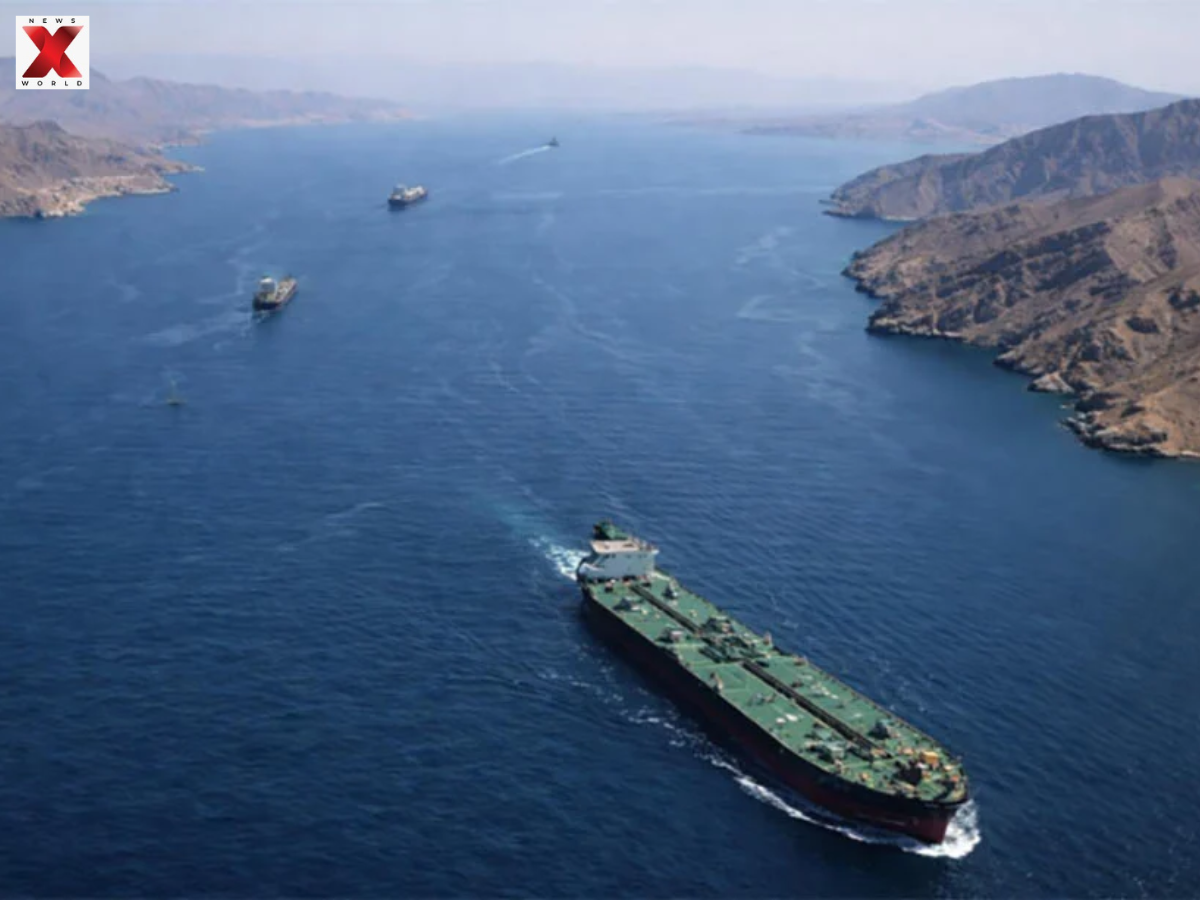

In a theatrical turnaround of the mounting rhetoric to prudent diplomacy, Donald Trump declared a two week ceasefire with Iran, withdrawing the previous threats of mass military retaliation. Trump had predicted a few hours before the announcement that ‘a whole civilisation will die tonight’, and this caused alarm all over the world. Nevertheless, the abrupt truce, which was divulged through Truth Social, was an indication that a temporary ceasefire in a struggle that has already claimed numerous lives and brought about chaos in the region.
US-Iran Ceasefire: How Did It Happen?
The ceasefire proposal, which was especially facilitated by Shehbaz Sharif and backed by the military leadership in Pakistan through Asim Munir, is to stop hostilities and to open the strategically significant Strait of Hormuz. The Strait of Hormuz is crucial to the global energy markets, with about one fifth of the world’s oil shipments passing through the Strait. Trump pointed out that during this two week pause, the United States would press on to a wider and deeper peace deal with Tehran and that Washington had already accomplished its main military goals.
US-Iran Ceasefire: What Is Iran’s 10-Point Plan?
Trump has already stated that negotiations are already in progress, on the basis of competing proposals on both sides. As the US considers a ten point plan the Iran has given, it has also been reported to offer a fifteen point plan which is more detailed. The proposal, made by Tehran, was characterized by Trump as a practical starting point of negotiations as both parties might be getting nearer to a diplomatic break than expected. But he also added a strict condition: the ceasefire would only be maintained on condition that Iran guaranteed the full, instant, and secure reopening of the Strait of Hormuz.
US-Iran Ceasefire: Is Strait Of Hormuz Reopening Today?
The reaction of Iran was expressed by its Foreign Minister who announced its acceptance of the ceasefire, with certain conditions. He claimed that Iran would stop its defensive operations in case the assaults against the nation were completely stopped. Safe maritime transit through the strait would also resume during the two week period, according to Araghchi, but would be coordinated with the Iranian armed forces and would have logistical restrictions. Reportedly, the ruling was passed by the Iranian leadership, which included Mojtaba Khamenei, and was pressured by China at the last minute.
With this breakthrough, there is doubt regarding the sustainability of the ceasefire. Iran has always insisted that reopening of the Strait of Hormuz must be conditioned by some overall peace agreement but not a ceasefire in combat. In the meantime, the war which has dragged on since the end of February, already cost a lot, more than 1,900 deaths in Iran alone were reported. Extra losses in Lebanon, Israel, and US troops underscore the wider regional influence. The next two weeks will be critical as the world gazes with bated breath whether this delicate truce can develop into lasting peace or end up in a collapse of olden times tensions.
US-Iran Ceasefire: Iran To Charge For Ships To Pass Through Strait Of Hormuz?
Yes, in the 10-point plan, Iran claimed they would be charging $2 Million for every ship.
Also Read: Iran-US Ceasefire: What Donald Trump And Iran Said After Agreeing to 14-Day Truce – Read Full Statements




