
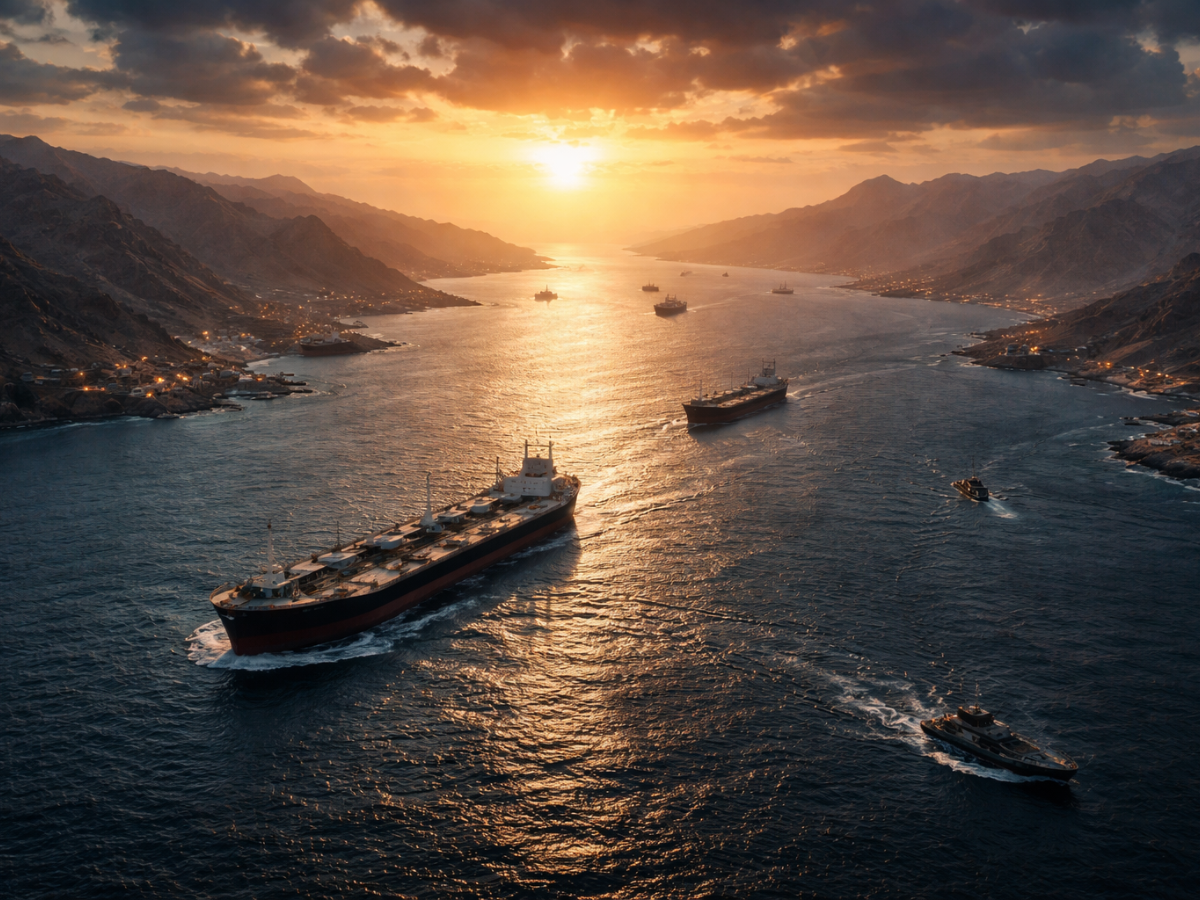

Strait of Hormuz Crisis: Iran wants to charge all oil tankers passing through the Strait of Hormuz a new transit fee during a planned two-week ceasefire, and they want payment in cryptocurrency.
Hamid Hosseini, who speaks for Iran’s Oil, Gas and Petrochemical Exporters’ Union, told the Financial Times that Tehran sets the fee at $1 per barrel for every tanker using the strait.
Iran’s $1 Per Barrel Fee and Bitcoin Demand for Tankers Raise Fears
He said Iranian officials plan to board and inspect each ship, checking cargo details to make sure nobody’s smuggling weapons during the ceasefire.
If this plan goes ahead, tankers will have to send Iranian authorities a full breakdown of what they’re carrying before they can pass through. After inspections, ships get a bill for the toll, and the payment has to be made in cryptocurrency, specifically Bitcoin.
Here’s the twist: crews have just a handful of seconds to pay up in Bitcoin. That’s on purpose, Hosseini said Iran wants to make it as difficult as possible for sanctions enforcers to track or freeze payments.
“All ships will be allowed to pass, but each vessel will have to follow the procedures, which will take time,” Hosseini said.
Iran Pushes Bitcoin Oil Payments
Iran’s Supreme National Security Council still has the final say on the new rules for passage.
Iran’s pushing vessels, especially those tied to Western countries or Gulf states, to use a northern shipping lane that hugs its coastline. That’s bound to make things trickier for a lot of ships trying to get through.
This isn’t the first curveball Iran’s thrown. Earlier, they rolled out a 10-point ceasefire plan it had a clause where both Iran and Oman could slap transit fees on any ship passing through the Strait of Hormuz.
Oman shot that idea down fast. They said ships crossing the strait can’t be charged. The Transport Minister in Oman went further and confirmed they’ve got agreements ensuring ships move freely, plus the country’s still committed to keeping navigation safe and open.
Strait of Hormuz Flashpoint
To put it in perspective: The Strait of Hormuz stretches just 34 kilometres between Iran and Oman, and everyone recognises it as international waters. Neither Iran nor Oman has hit ships with transit charges before.
This spot’s a big deal; it’s the narrow gateway to the Persian Gulf, pushing through about 20% of all global oil. Every little disruption here makes energy markets nervous.
Iran claims the money from these proposed tolls would go into rebuilding after the war, pointing to heavy damage across its military, government, and civilian operations.




