
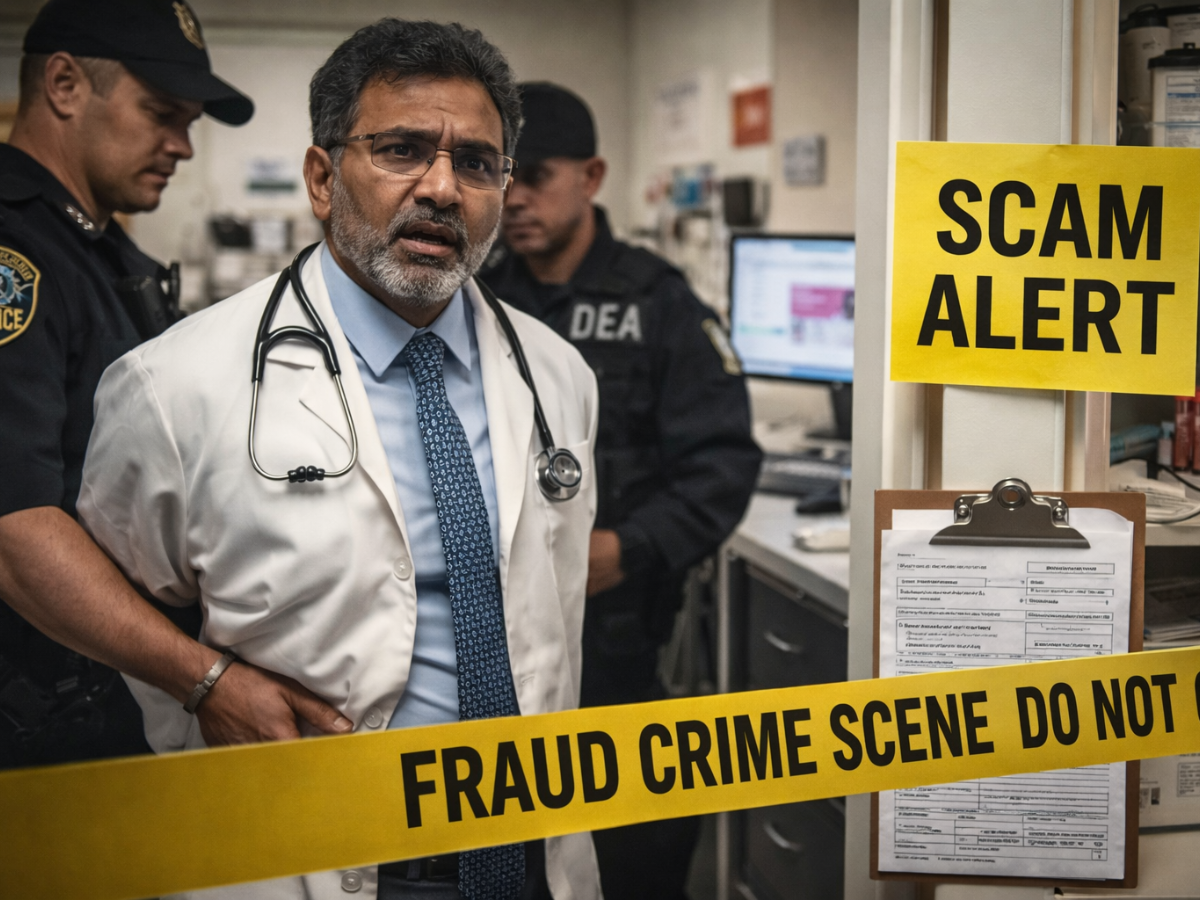

Dr. Jitesh Patel, a urologist based in Georgia, has agreed to pay $14 million to settle claims that he defrauded healthcare programs by performing unnecessary procedures on patients. The Department of Justice announced the settlement after discovering a pattern of needless treatments at his clinic, Advance Urology.
US Authorities Crack Down on Healthcare Fraud
The whole thing started when one of Patel’s employees filed a whistleblower complaint, accusing the clinic of routinely doing procedures and tests patients didn’t actually need. Another former employee later stepped up, backing up those accusations.
Court records lay it out plainly: the clinic was set up to bring in as much money as possible for Dr. Patel and his partners by pushing procedures that weren’t medically necessary.
This all stands in sharp contrast to Patel’s public image. He’s known as a respected specialist in his field, earning honors like “Atlanta Top Doctor” and “Top 40 Under 40.”
From ‘Top Doctor’ to Fraud Allegations: Dr Jitesh Patel Faces Fallout
Some patients got devices implanted without anyone really checking if they needed them. Others were sent for tests they didn’t need, a few of them even had to be put under anaesthesia just for these tests.
The clinic didn’t stop there. They apparently ordered thousands of unnecessary ultrasound tests. Every new patient, no matter what, had to get one, even though most urologists don’t use these tests so routinely. On top of that, there are claims the clinic billed for procedures that never actually happened.
Federal agencies stepped in after a few alarms went off. The US Attorney’s Office, the FBI, and the Department of Health and Human Services all took a closer look.
US Healthcare Fraud Case
US Attorney Theodore S Hertzberg was pretty blunt about it: doctors commit fraud when they try to collect money for procedures that aren’t really needed or bill for things they never did. He vowed that his office won’t let this kind of thing slide and that they’re serious about holding people accountable under the False Claims Act.
Here’s how the law works: the False Claims Act lets regular people file lawsuits for the government if they spot fraud. If they’re right, those whistleblowers called relators get a cut of whatever’s recovered.
In this case, the whistleblowers will split nearly $3 million from the settlement. But remember, this is a settlement, so it ends the allegations for now. No court has actually decided whether the clinic’s actions harmed any patients or proven anyone’s guilt.




