
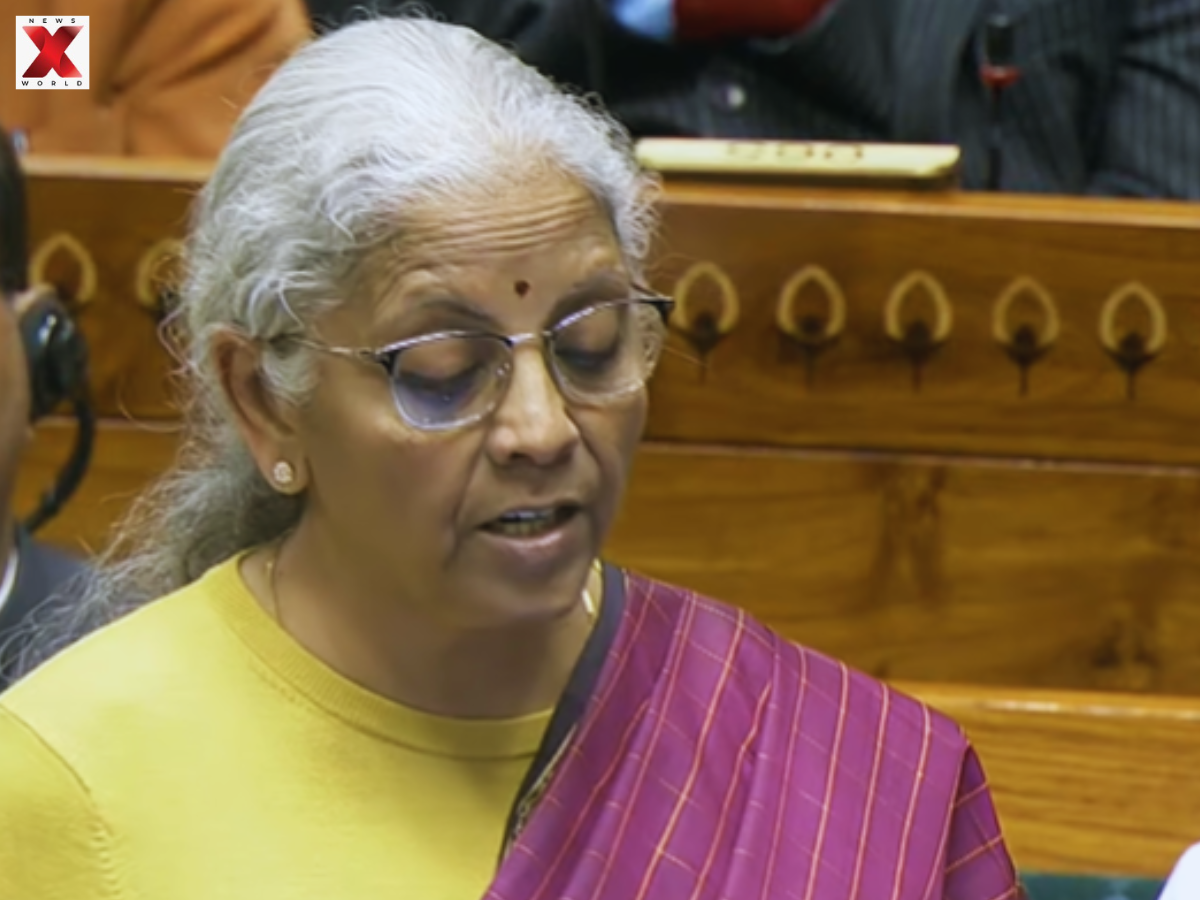

Finance Minister Nirmala Sitharaman made history on February 1, 2026, when she presented her ninth consecutive Union Budget. The Sunday address in the Lok Sabha maintained the February 1 presentation tradition, which started two years earlier. The speech started at 11:00 AM and ended after 1 hour and 28 minutes of presentation time.
The session provided an extensive overview of important changes in capital spending together with urban development funding, yet it lasted shorter than her record-setting 2020 marathon speech. The 2026 presentation used digital-first communication for streamlined content delivery, which explained the “Viksit Bharat” roadmap without extending time spent in Parliament.
Historical Benchmarks and The 2026 Address
The Indian fiscal timeline shows how governmental economic communication methods developed through different historical periods. The Finance Minister for the Union Budget 2026 selected a balanced method that did not create the physical demands that previous budget years required.
The 2020 speech record in Indian history shows Sitharaman as the person who delivered the longest speech, which lasted for 162 minutes. The 2026 session planned its schedule in a way that would create maximum effects through a single session, which showed the 10% nominal GDP growth and ₹12.2 lakh crore capital expenditure increase without needing a three-hour session.
The current year’s budget duration demonstrates a tendency toward “crispness,” which has developed during recent budget periods since the early 2020s, which used to take almost three hours.
Strategic Brevity in Economic Policy
The present digital environment requires the 90-minute limit of the 2026 budget speech to function as a strategic element. The government delivered a forceful and focused address to ensure that global investors would watch all key market announcements for the new Urban Challenge Fund and Semiconductor Mission 2.0 program.
The 2026 format used the “Bahi-Khata” digital tablet to access deep data points, which later appeared in full through the Union Budget mobile app, while 1990s speeches used excessive wordiness.
The modern efficiency of her current approach enables the finance minister to achieve multiple goals, including manufacturing incentives and 4.3% fiscal deficit targets, within a short time period that is less than her previous record-breaking achievement.
A recent media graduate, Bhumi Vashisht is currently making a significant contribution as a committed content writer. She brings new ideas to the media sector and is an expert at creating strategic content and captivating tales, having working in the field from past four months.




