

U.S. Imposes Flat 25% Tariff on All Indian Goods From August 7, 2025
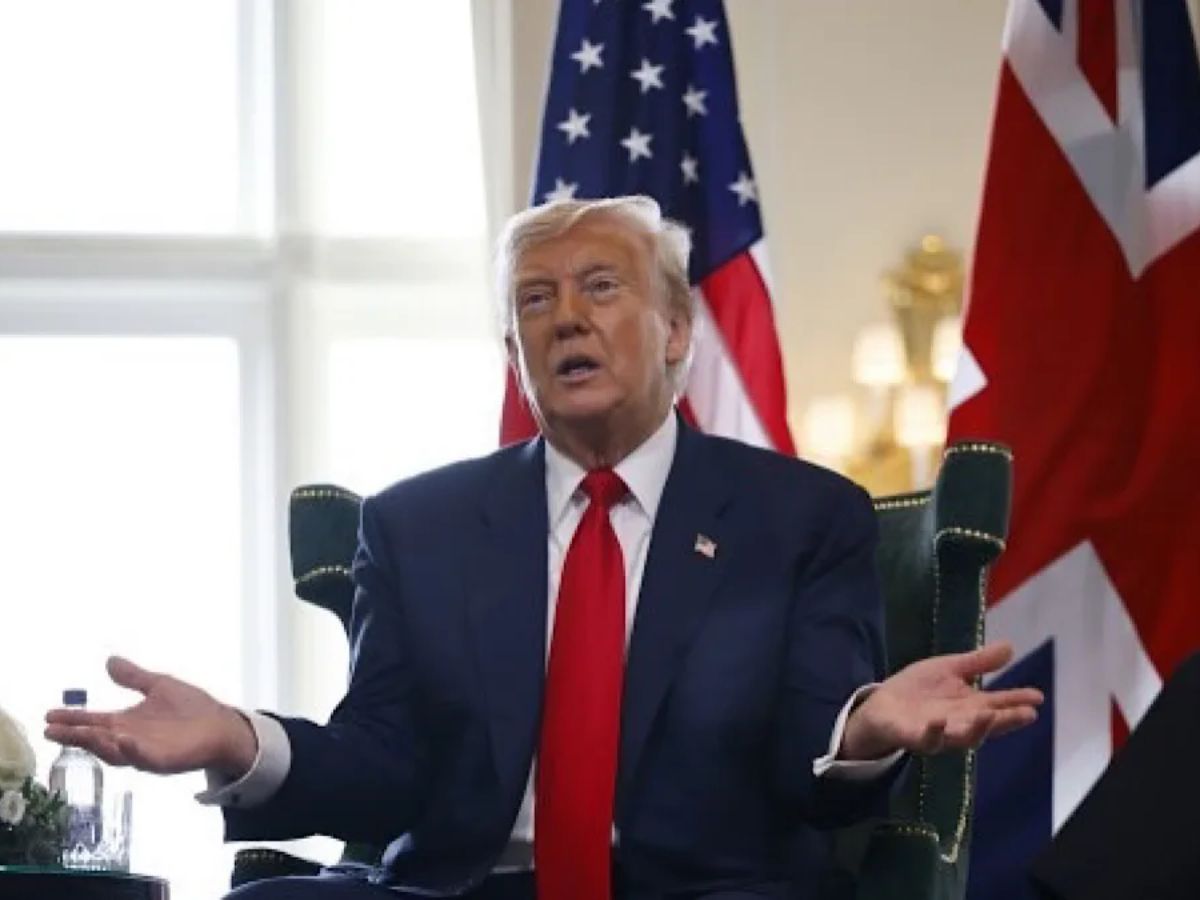
The United States has taken a major step against Indian exports by imposing a flat 25% tariff on all goods from India, effective August 7, 2025. President Donald Trump signed an executive order on July 31, 2025, enforcing this tariff without any product-level exemptions. According to the Global Trade Research Initiative (GTRI), this blanket tariff is among the harshest trade measures the U.S. has taken against a major trading partner in recent years. The tariff will apply until both countries finalize a bilateral agreement and the U.S. president issues a new executive order. This move comes amid ongoing trade negotiations but signals increased pressure on Indian exporters across multiple sectors.
What The Executive Order Says: No Exceptions, No Paperwork
President Trump’s executive order clearly states, “Goods of those trading partners will remain subject to the additional ad valorem duties provided in Annex I to this order until such time as those agreements are concluded, and I issue subsequent orders memorializing the terms of those agreements.” The U.S. government refuses to exempt any Indian goods from this tariff, including critical sectors like pharmaceuticals, crude oil, and electronics. The 25% ad valorem duty will be levied over and above the usual Most Favored Nation (MFN) tariffs. This means Indian exporters will face a steep increase in costs, making their products less competitive in the U.S. market.
Impact On Key Indian Export Sectors: Who Bears The Brunt?
The absence of exemptions hits key sectors hard. Pharmaceuticals, petroleum products, and electronics face the highest risk. According to GTRI estimates, Indian exports of petroleum products worth USD 4.1 billion, smartphones worth USD 10.9 billion, and pharmaceuticals worth USD 9.8 billion will suffer double impacts. Engineering goods, textiles, and other electronics will also encounter steep tariff barriers. The combined effect may reduce India’s total goods exports to the U.S. by 30% in fiscal year 2026—from USD 86.5 billion in FY2025 down to about USD 60.6 billion. This drop will significantly affect India’s trade balance and the profitability of many exporters.
What Indian Exporters Need to Know: Key Details at a Glance
| Key Sector | Export Value FY2025 (USD Billion) | Tariff Impact |
|---|---|---|
| Petroleum Products | 4.1 | 25% flat tariff + existing tariffs |
| Pharmaceuticals | 9.8 | No exemption, 25% flat tariff |
| Electronics (Smartphones) | 10.9 | 25% flat tariff |
| Engineering Goods | N/A | Subject to tariff increase |
| Textiles | N/A | Subject to tariff increase |
Transit Goods And Tariff Exceptions: What Happens Now?
The U.S. has allowed goods from India already in transit to pay existing tariff rates—mostly 10%, except steel and aluminum, which face 50%. This grace period extends until October 5, 2025. However, confusion remains over the additional 25% duty on steel and automobiles, which currently face 50% and 25% tariffs, respectively. The U.S. has offered tariff exemptions to other trading partners with finalized agreements for crucial products like pharmaceuticals, energy products, minerals, electronics, and semiconductors. Unfortunately, Indian exports do not qualify for these exemptions yet, making the tariff burden heavier.
Final Thoughts: What’s Next For India-U.S. Trade?
This big tariff move means trade tensions are heating up, and Indian exporters need to rethink their game plan. The 25% tariff will stay until both countries agree on a new trade deal. Meanwhile, exporters in key sectors like pharmaceuticals, electronics, and petroleum will face higher costs and tougher competition. Negotiations are still ongoing, but for now, Indian businesses have to prepare for a challenging market in the U.S. How do you think Indian companies should adapt? Will they find new markets or innovate to stay competitive? The next few months will be crucial for shaping the future of trade between these two economic giants.
(With Inputs From ANI)
Also Read: Donald Trump Announces Tariffs: Full List Including India – Is Your Country In The List?
Aishwarya is a journalism graduate with over three years of experience thriving in the buzzing corporate media world. She’s got a knack for decoding business news, tracking the twists and turns of the stock market, covering the masala of the entertainment world, and sometimes her stories come with just the right sprinkle of political commentary. She has worked with several organizations, interned at ZEE and gained professional skills at TV9 and News24, And now is learning and writing at NewsX, she’s no stranger to the newsroom hustle. Her storytelling style is fast-paced, creative, and perfectly tailored to connect with both the platform and its audience. Moto: Approaching every story from the reader’s point of view, backing up her insights with solid facts.
Always bold with her opinions, she also never misses the chance to weave in expert voices, keeping things balanced and insightful. In short, Aishwarya brings a fresh, sharp, and fact-driven voice to every story she touches.




