
A Day that Changed History
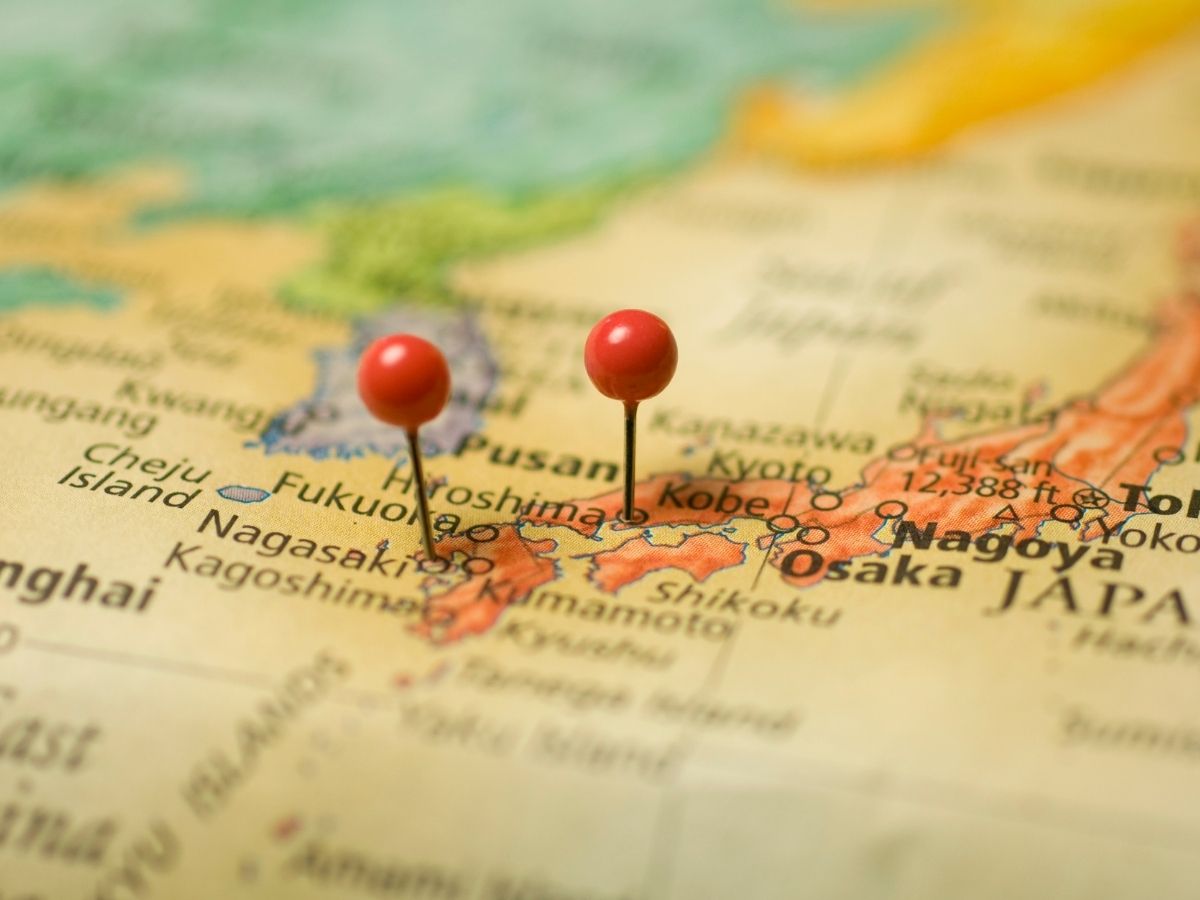
August 6 marks Hiroshima Day, a global commemoration of the day in 1945 when the US dropped an atomic bomb on the Japanese city of Hiroshima during World War II. Three days later, Nagasaki faced the same fate. These remain the only times nuclear weapons have been used in war.
The bomb dropped on Hiroshima, named Little Boy, killed an estimated 70,000 people within just a few moments. By the end of the year, over 1,00,000 others reportedly succumbed to injuries and health complications developed due to radiation exposure. Three days later, Fat Man hit Nagasaki, reportedly killing another 40,000 people on the spot, with the final death toll estimated to have exceeded at least 70,000 people.
Why Did the US Drop the Bombs?
Several factors led to this devastating decision:
Japan refused to surrender unconditionally despite repeated firebombing, including the March 1945 Tokyo raids, which reportedly killed over 100,000 individuals in a single night.
A US land invasion of Japan was expected to cost thousands of American lives, and the atomic bomb – at the time – was seen as a way to force Japan to surrender swiftly.
There was also a geopolitical motive. On August 8, 1945 — between the two bombings — the Soviet Union declared war on Japan. According to Britannica, many historians believe the US used the second bomb, partly to limit Soviet influence in postwar Asia.
The Manhattan Project
The Manhattan Project, a secret American research program that is believed to have employed approximately 100,000 people at the time, was behind the devastating atomic bombings.
Archival reports suggest key scientists like J. Robert Oppenheimer, Enrico Fermi, and Richard Feynman worked under Brigadier General Leslie R. Groves to develop nuclear weapons.
On 16 July, 1945, the first atomic bomb was successfully tested in the New Mexico desert, with Oppenheimer naming the site ‘Trinity’.
The then US President Harry Truman was immediately informed about the successful testing of the nuclear weapon while attending the Potsdam Conference in Germany. “We have spent two billion dollars on the greatest scientific gamble in history, and won,” Truman reportedly said at the time.
The Bombings: Who Carried Them Out?
On 6 August, brigadier general in the US Air Force, Colonel Paul W. Tibbets, piloted the B-29 bomber ‘Enola Gay’ and dropped the ‘Little Boy’ on Hiroshima. Three days later, US Army Air Force officer, Major Charles Sweeney, flew B-29 Superfortress ‘Bockscar’, a four-engine heavy bomber aircraft, and dropped the ‘Fat Man’ on Nagasaki.
Both missions were carried out from the US base on Tinian Island.
What Were the Atomic Bombs Made of?
The bomb on Hiroshima used uranium-235 while the one dropped on Nagasaki was made using plutonium-239. Despite being more powerful, the hilly terrain of Nagasaki limited the Fat Man’s impact, reports suggest.
The Surrender and the Aftermath of Bombings
On 10 August, just one day after the second bombing, Japan accepted the Allied surrender terms outlined in the Potsdam Declaration. The war officially ended on 2 September, 1945.
The aftermath left Japan devastated, with cities flattened, and survivors — known as hibakusha – left battling with lifelong health issues. The US subsequently occupied Japan under General Douglas MacArthur, effectively reshaping its government, economy and military.
Atomic Bombings Usher in the Age of Nuclear Warfare
The historic atomic bombings of Hiroshima and Nagasaki ushered in the age of nuclear warfare. The US and Soviet Union, reports suggest, entered a decades-long Cold War marked by nuclear arms buildup. While several countries across the world now possess nuclear weapons, none of those are reported to have been used by any country in any conflict since.
ALSO READ: Hiroshima Day: The Dawn of Nuclear Warfare & Impact of Nuclear Bombs | Explained