
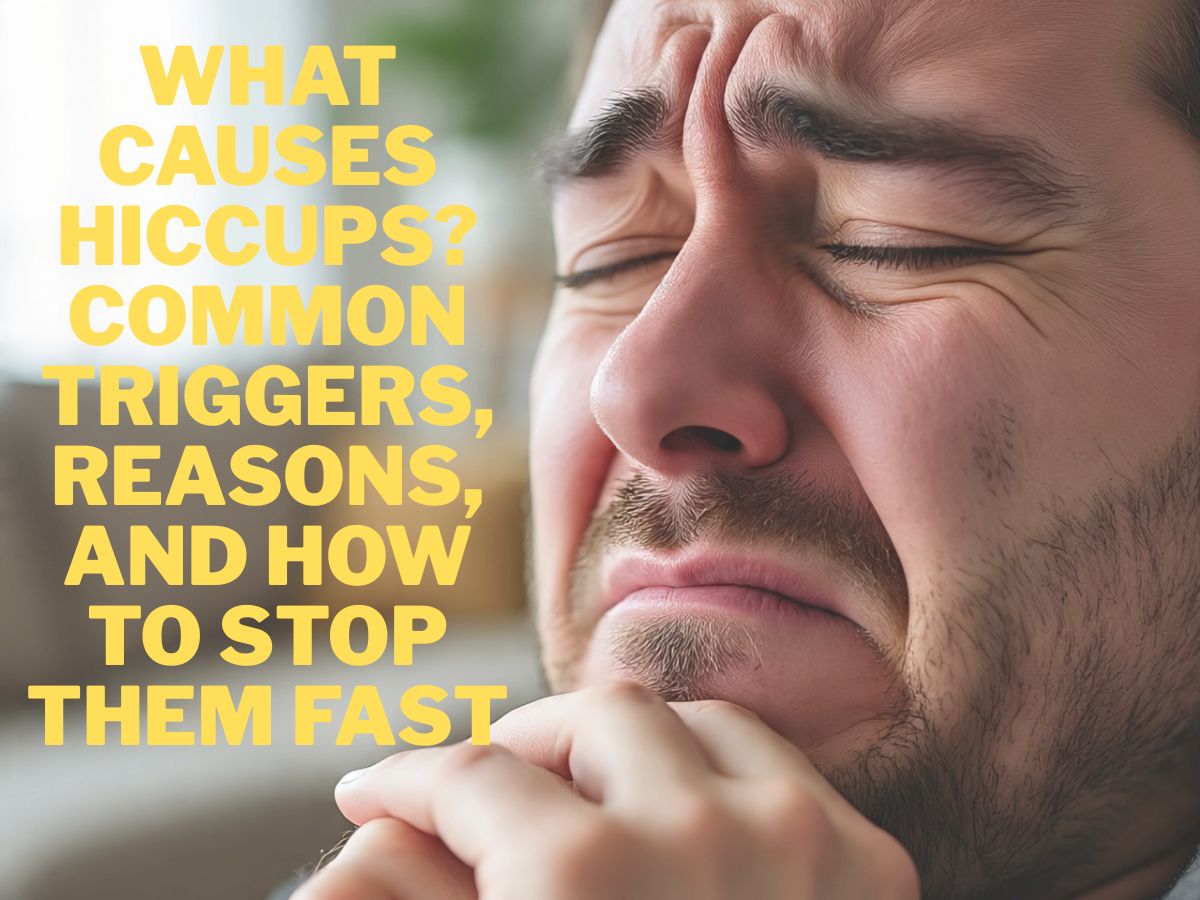

Hiccups are usually harmless and short-lived, but when they strike, they can be uncomfortable and annoying. They occur due to sudden, involuntary contractions of the diaphragm, followed by a quick closure of the vocal cords, which produces the characteristic “hic” sound. Understanding their causes, common triggers, and quick remedies can help you stop hiccups effectively.
What Causes Hiccups?
The primary cause of hiccups is irritation or stimulation of the diaphragm, the muscle responsible for breathing. When the diaphragm spasms unexpectedly, the vocal cords snap shut, resulting in hiccupping. These spasms may be triggered by digestive issues, nerve irritation, or even changes in breathing patterns. Usually, hiccups resolve on their own within a few minutes, but persistent or chronic cases could point to underlying medical conditions such as nerve damage, gastrointestinal problems, or nervous system disorders.
Common Triggers of Hiccups
Hiccups can be triggered by a wide range of everyday situations. Some of the most common include:
- Eating too quickly and swallowing air along with food.
- Consuming carbonated drinks that produce excess gas.
- Overeating or eating spicy and fatty foods.
- Sudden changes in stomach temperature, such as drinking hot tea followed by ice water.
- Emotional stress, excitement, or nervous laughter.
- Alcohol consumption, which irritates the stomach and diaphragm.
In babies, hiccups are also very common and usually harmless, often caused by swallowing air while feeding.
Why Do They Happen So Randomly?
The reason hiccups feel sudden and unpredictable is because they are linked to involuntary reflexes between the diaphragm, vagus nerve, and brain. Any sudden irritation in this reflex pathway can trigger a hiccup without warning. Since this process is beyond our conscious control, hiccups often appear without a clear reason and disappear just as quickly.
How to Stop Hiccups Fast
Most hiccups are harmless and pass on their own. However, when you want to get rid of them quickly, simple remedies may help:
- Hold your breath for a few seconds to reset the diaphragm.
- Sip cold water slowly to interrupt the spasm cycle.
- Swallow a teaspoon of sugar which stimulates the nerves controlling the diaphragm.
- Gargle with water or gently pull on your tongue to disrupt the hiccup reflex.
- Breathe into a paper bag to increase carbon dioxide levels, which may calm the diaphragm.
If hiccups last longer than 48 hours or are accompanied by other symptoms, it’s best to consult a doctor, as persistent hiccups may signal more serious conditions.
This article is for general informational purposes only and should not replace medical advice. If hiccups persist for more than 48 hours, consult a qualified healthcare professional immediately.
Vani Verma is a content writer with over 2 years of experience in lifestyle, entertainment, health and digital media. She has a knack for creating engaging and research-driven content that resonates with readers, blending creativity with clarity. Passionate about media trends, culture, and storytelling, she strives to craft content that informs, inspires, and connects.




