
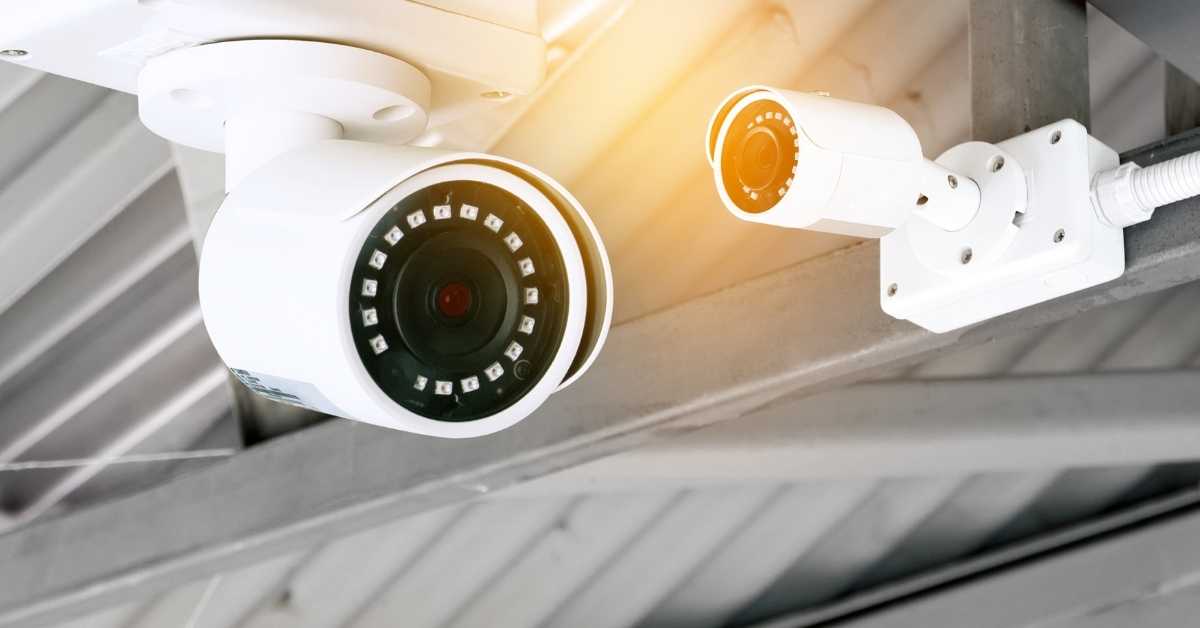

India is set to tighten rules on surveillance equipment from April 1, effectively blocking Chinese CCTV giants from the market unless they meet strict certification norms. The move is being seen as a major reset for the country’s fast-growing security camera industry.
New Rules To Block Chinese CCTV Brands
From April 1, internet-connected CCTV cameras that do not meet India’s certification standards will no longer be allowed to be sold, imported, or manufactured in the country.
Under the new framework, products made in China or using Chinese chipsets are unlikely to get approval, which effectively shuts out major players like Hikvision and Dahua from the Indian market. These companies earlier accounted for nearly one-third of India’s CCTV sales, making the impact of the decision significant.
Why The Crackdown Now
The government’s move is driven largely by security concerns. Authorities want tighter checks on surveillance devices, especially those connected to the internet, to prevent potential data leaks or spying risks.
Globally too, several countries including the United States have already restricted Chinese surveillance equipment citing national security threats. The new rules also require companies to disclose key components and undergo testing in certified labs, ensuring that devices meet cybersecurity and quality standards before entering the market.
What It Means For Users And The Market
In the short term, consumers may see a rise in prices as cheaper Chinese options disappear from shelves.
At the same time, the shift is expected to benefit domestic manufacturers and non-Chinese brands, giving them a bigger share in the market. Indian companies have already started adjusting supply chains and relying more on non-Chinese components.
For users, existing cameras will continue to work, but future purchases will largely be limited to certified products that meet the new norms. Overall, the move signals a clear push towards tighter security standards and reduced dependence on Chinese technology, even if it comes with short-term cost pressures.




