
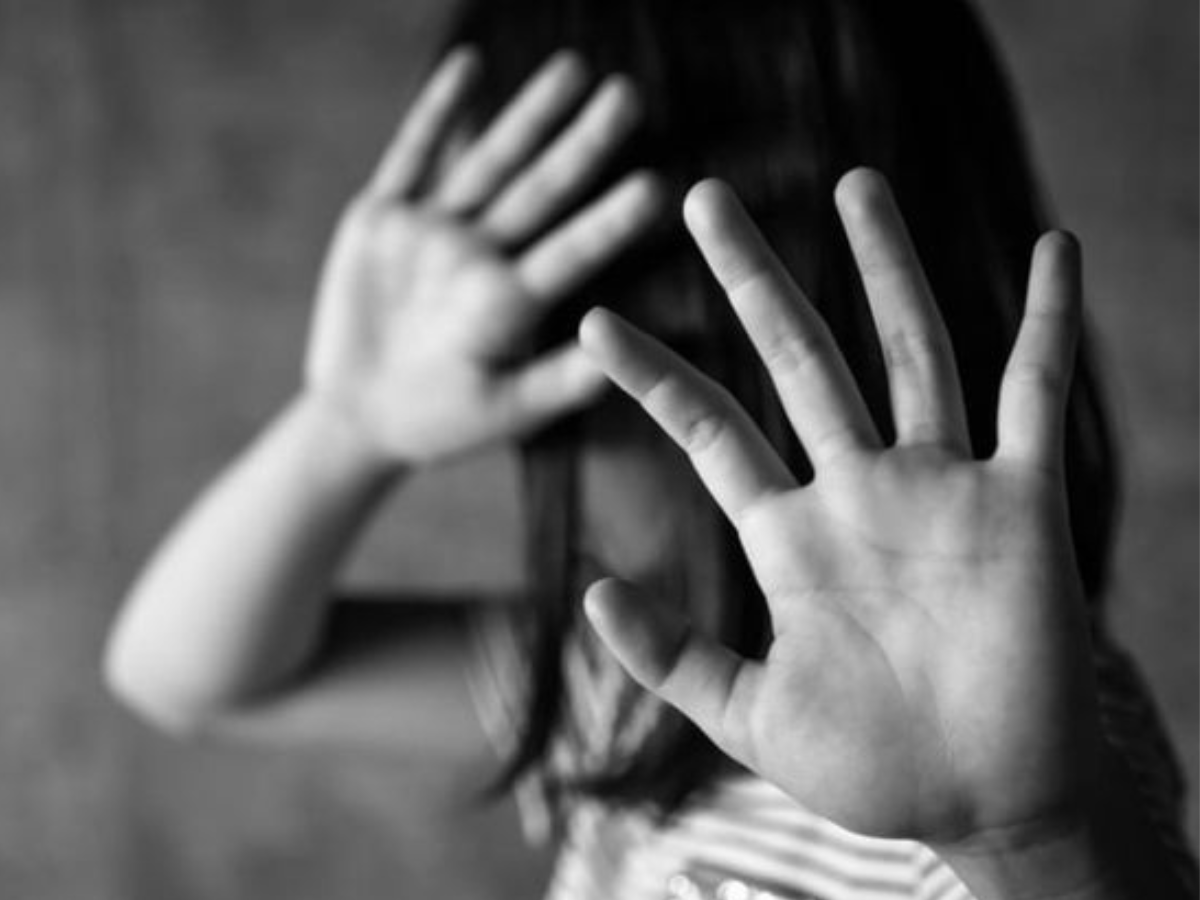

There are moments in life when someone you love a child, a friend turns to you and says something you never wanted to hear. They’ve been harassed. At school. You might feel anger first. Or helplessness. Maybe even disbelief. But what you do next? That matters more than you know.
Listening with Care: The First Step Toward Healing
Start by offering the one thing they may not have had until now, calm, unwavering presence. Sit with them. Let them speak. Don’t rush to fix it, and resist the instinct to probe too quickly. “Just being believed can be a powerful first step,” says one mental health counselor who works with young people. And indeed, it often is.
Harassment thrives in silence. So help them write things down. Even the smallest details times, places, names, or even saved messages can later become the threads that hold their story together when it’s time to speak up.
Every school, at least in principle, has a duty to protect its students. Find out what policies exist. Help them report the incident to someone who will listen, a trusted teacher, a school counselor, someone with authority and compassion. Follow up. Don’t assume it’s being handled just because someone said it would be.
Of course, emotional wounds don’t heal on their own. A school counselor may offer a starting point, but real recovery often requires more. Think, trained therapists, art therapy, or even trauma-focused support tailored to young people.
Empowering Action: Understanding the Role of Bystanders
In “Measurement of the bystander intervention model for bullying and sexual harassment”, first published on March 24, 2014, Amanda B. Nickerson and colleagues from the University at Buffalo and University of Northern Iowa developed and validated a scale based on Latané & Darley’s five-step bystander model notice the event, interpret it as problematic, feel responsible, decide how to act, and then take action. Through a survey of 562 secondary-school students, the research confirmed that each step logically leads to the next, and that students with higher empathy, awareness, and constructive attitudes toward harassment were more likely to intervene. This study not only clarifies when and why bystanders act, but also supports training programs that strengthen awareness, responsibility, empathy, and practical skills essentially, teaching peers how to safely intervene when harassment occurs.
And don’t forget yourself. Being the listener, the protector, the guide it’s heavy. It’s okay to feel overwhelmed. Talk to someone. Get support.
Sexual harassment in schools is, sadly, more common than many realize. But when someone breaks their silence, and someone else is there to hold that truth with care healing can begin.
Also Read:
Reha Vohra is an entertainment and lifestyle journalist passionate about telling stories that celebrate culture, trends, and everyday life. She love diving into celebrity news, fashion, viral moments, and unique human experiences that resonate with readers. The goal is to create content that’s engaging, inspiring, and relatable, bringing fresh perspectives with a blend of curiosity and creativity.




