
9 Foods That Don’t Expire Even After 100 Years – Longest-Lasting Pantry Staples
These nine long-lasting foods, including honey, salt, rice, and sugar, can stay edible for over 100 years when stored properly.
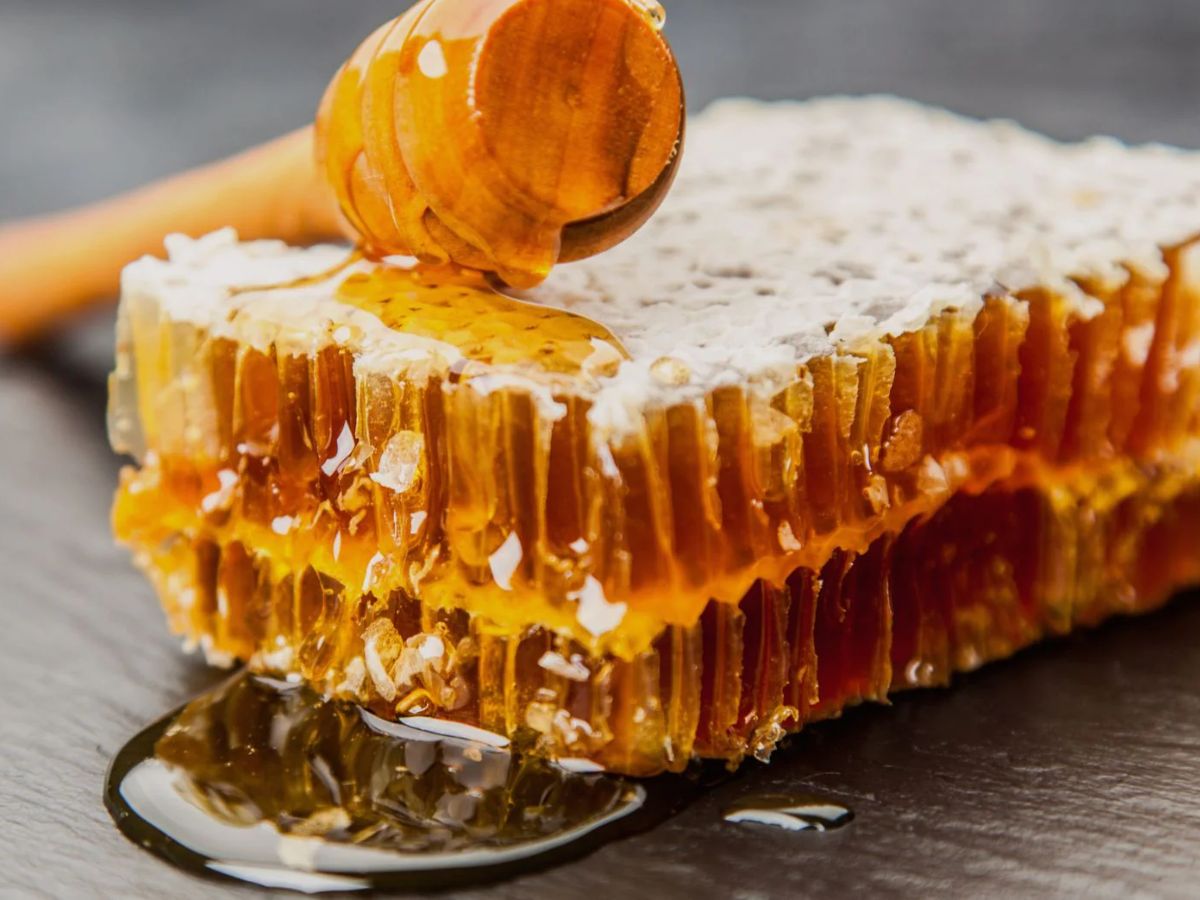
Honey
Honey spoils hardly ever because it is low moisture and is the only food that has natural antibacterial properties, and therefore, it is safe and edible for thousands of years.
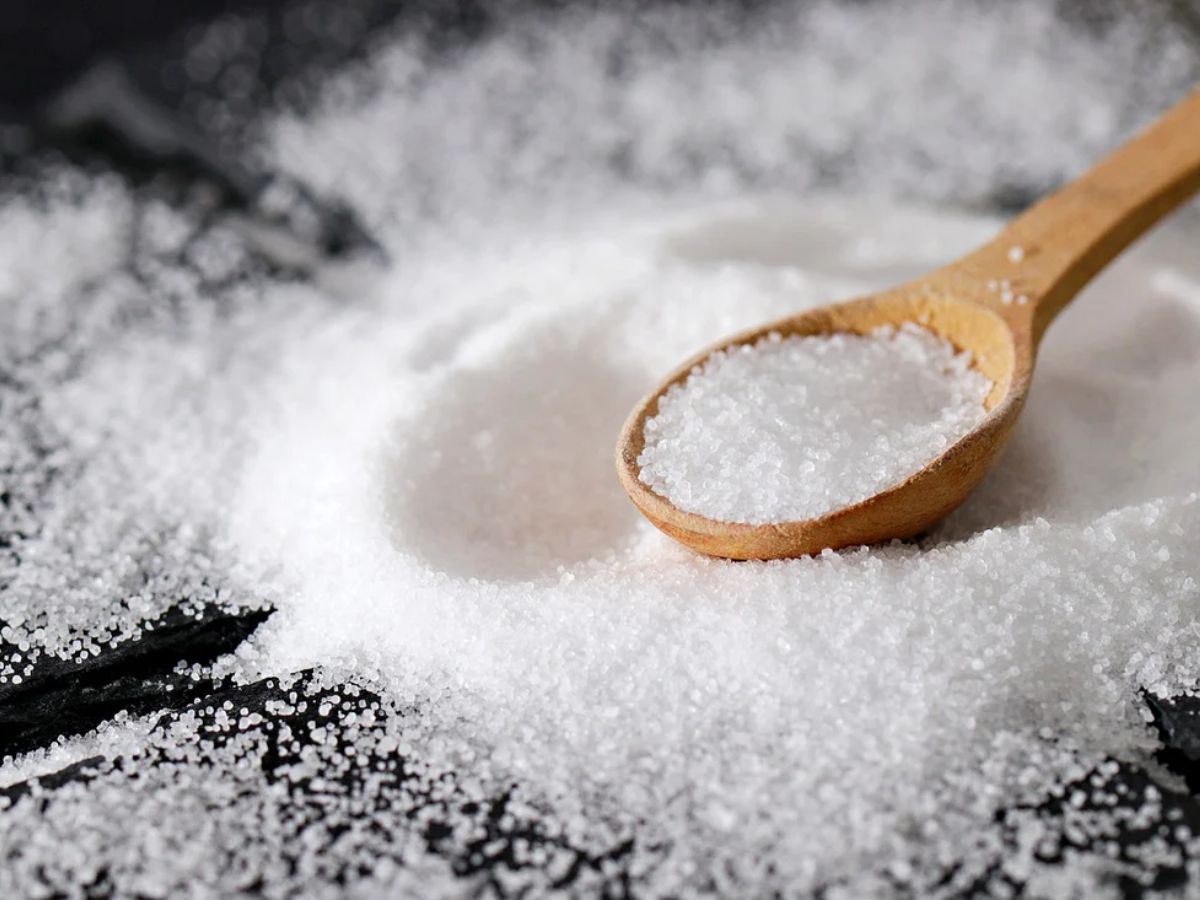
Salt
Pure salt will never go bad because it has no moisture, not organic materials, is fully, completely resistant to bacteria, mold, or decay.
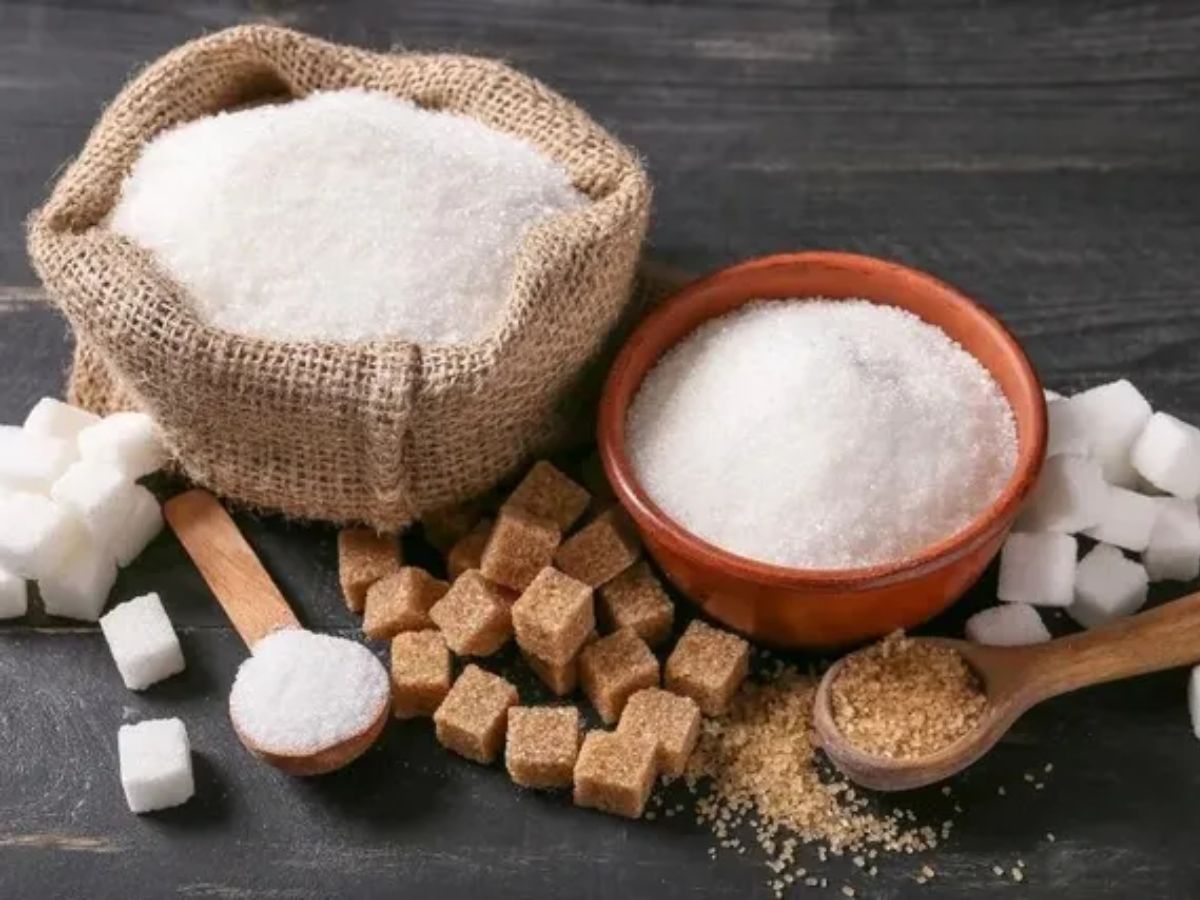
Sugar
If it is dry, sugar keeps for thousands of years. It does not contain bacteria, nor does the sugar feed bacteria, so the sugar will remain intact and be good quality all through generations and generations.
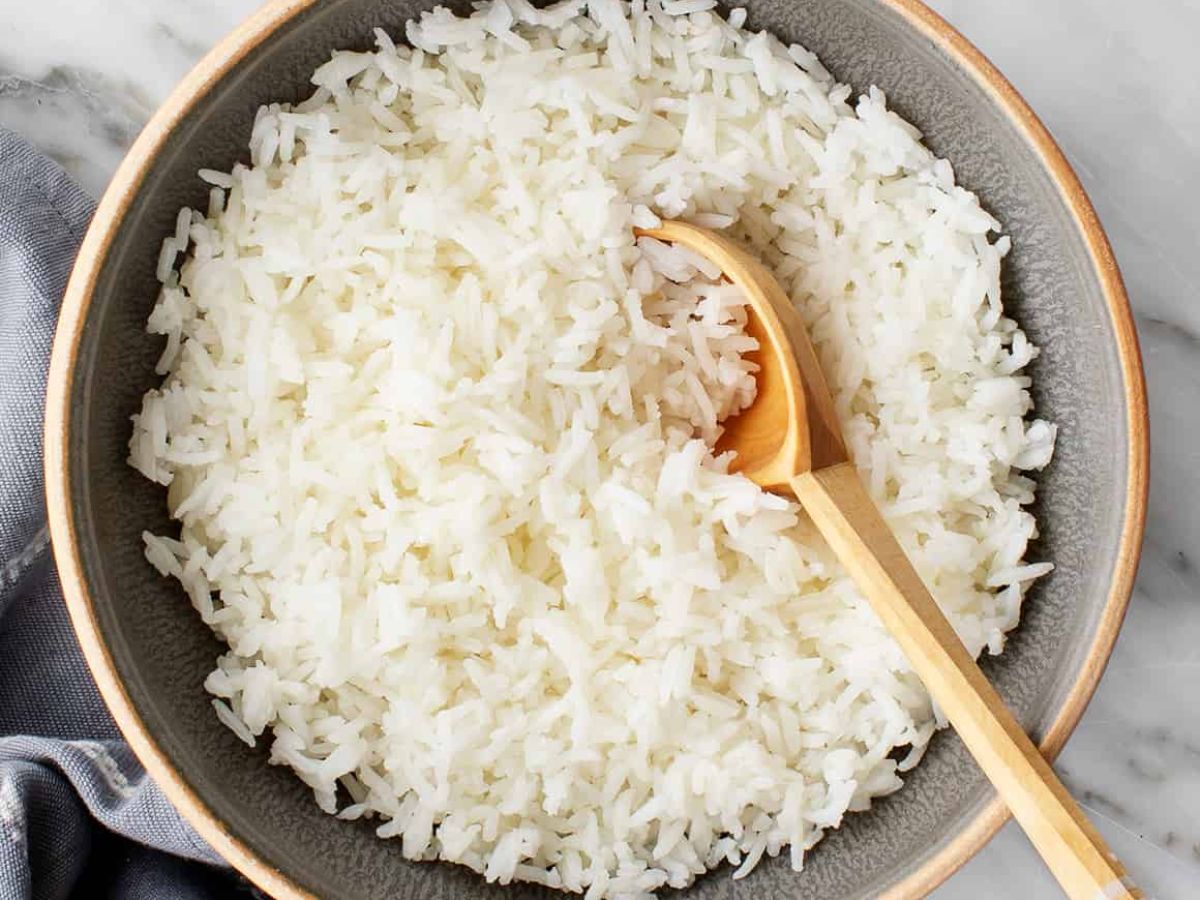
White Rice
If white rice is prepared appropriately, then stored in an airtight container in a cool, dry, dark place, white rice will last for over 100 years. The combination of low oil content, structure of the grain, and no moisture in the grain, keep bugs from appearing through the years.
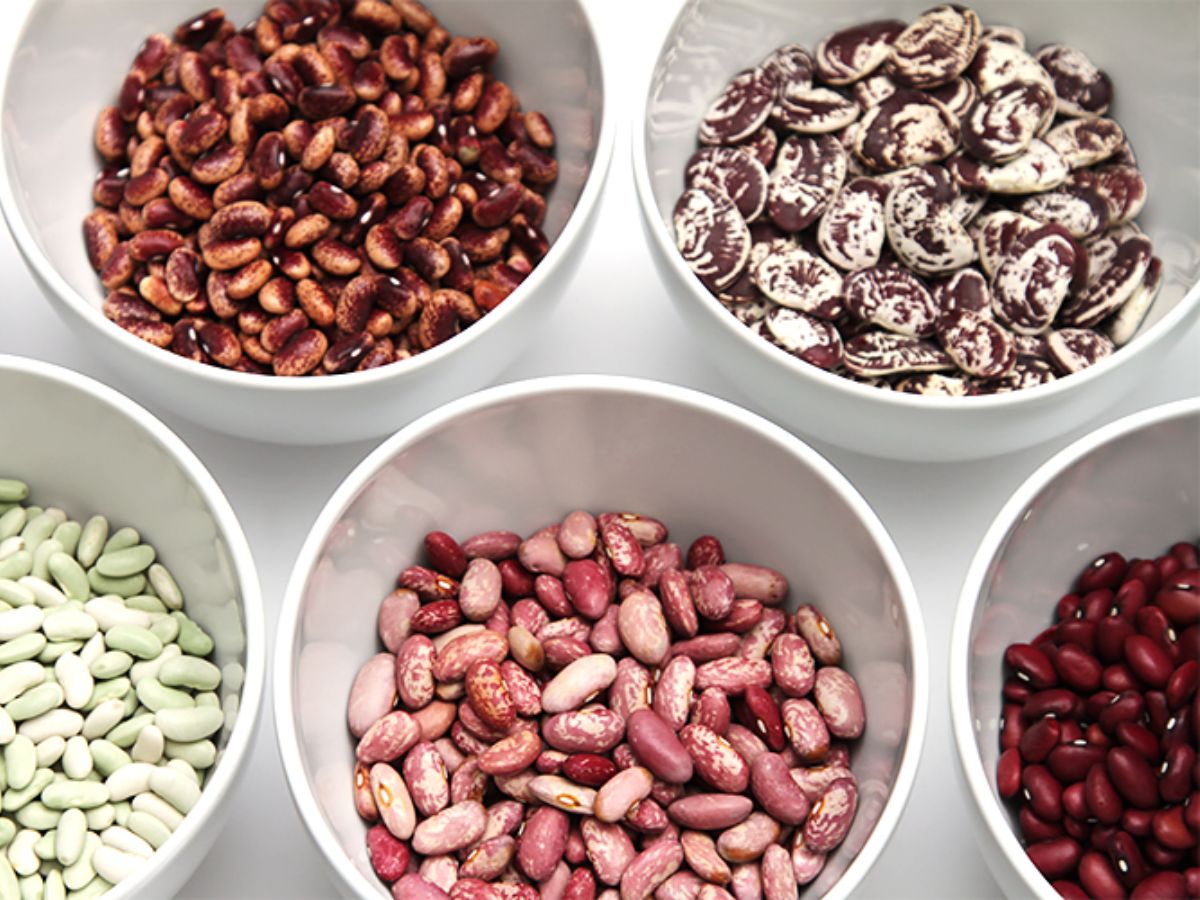
Dried Beans
You can store dried beans for more than a century. If they are hard, after being stored a while, you can properly rehydrate them as long, as they are safe to eat.
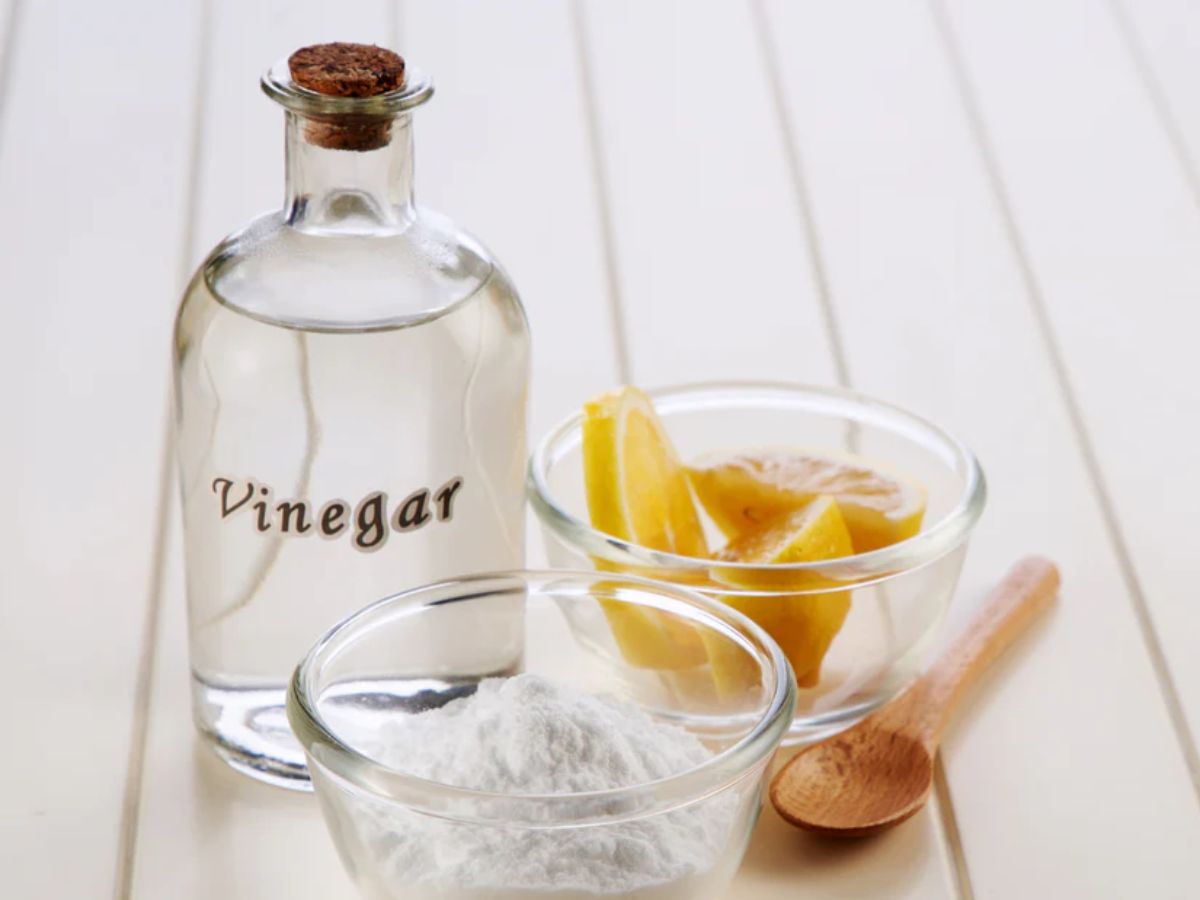
Vinegar
Distilled white vinegar lasts for years or decades, or even longer than that, surprising as it may seem, because vinegar with a high enough acidity will have killed any organisms that could be harmful when used as a food preparation item.
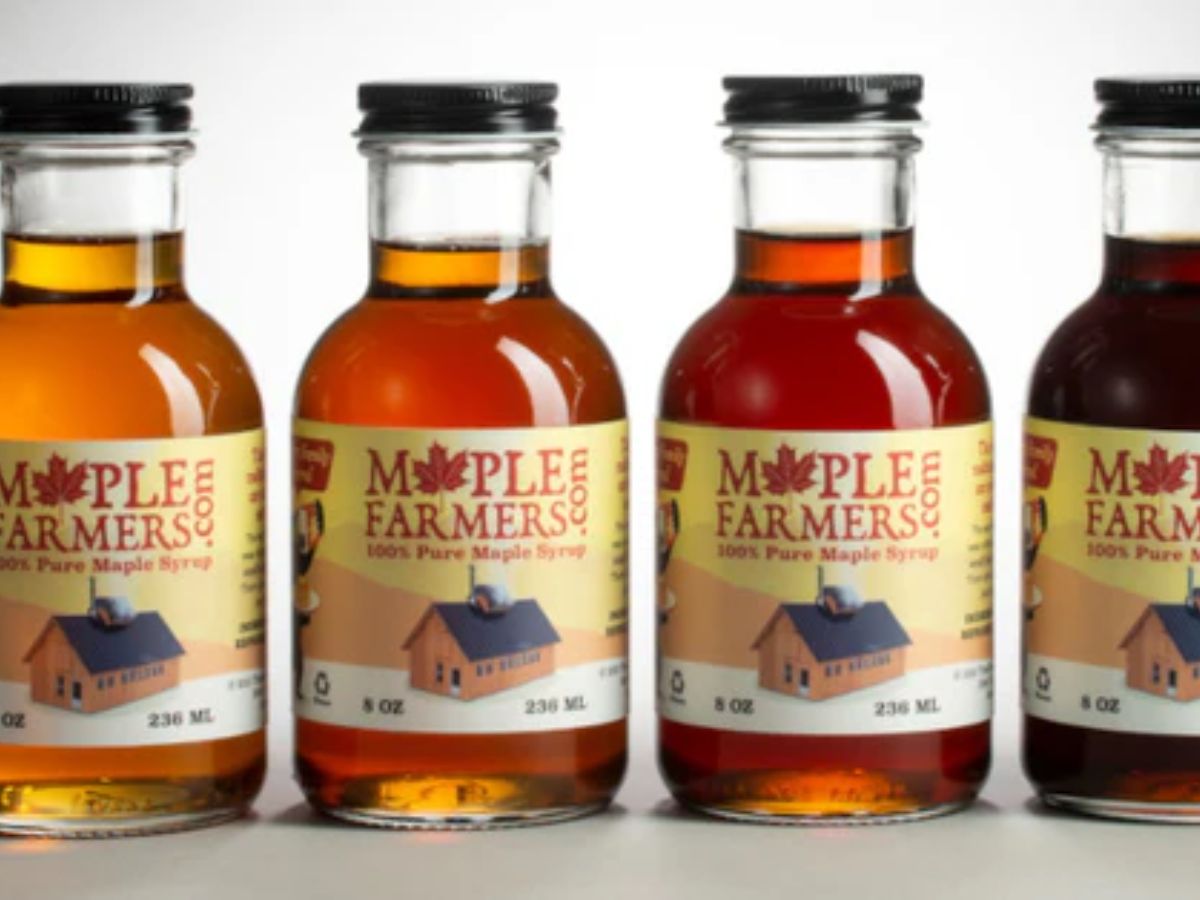
Unopened Pure Maple Syrup
If pure maple syrup is completely sealed and unopened, then it can last indefinitely. Again, this is mostly due to the high sugar content.
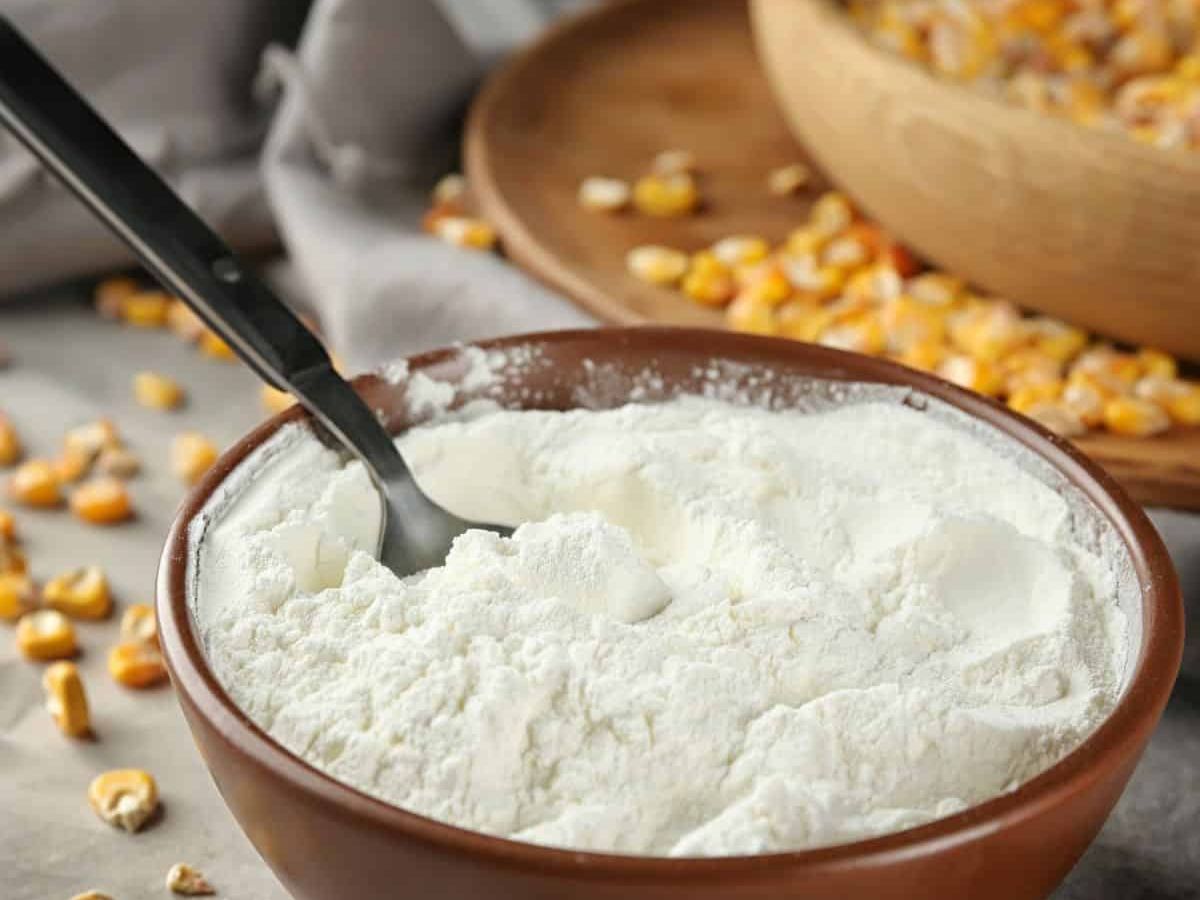
Cornstarch
Cornstarch has no expiration dates, or can last for years as long as it stays dry. Cornstarch will never break down, and will never attract bacteria, making it a permanent pantry staple.
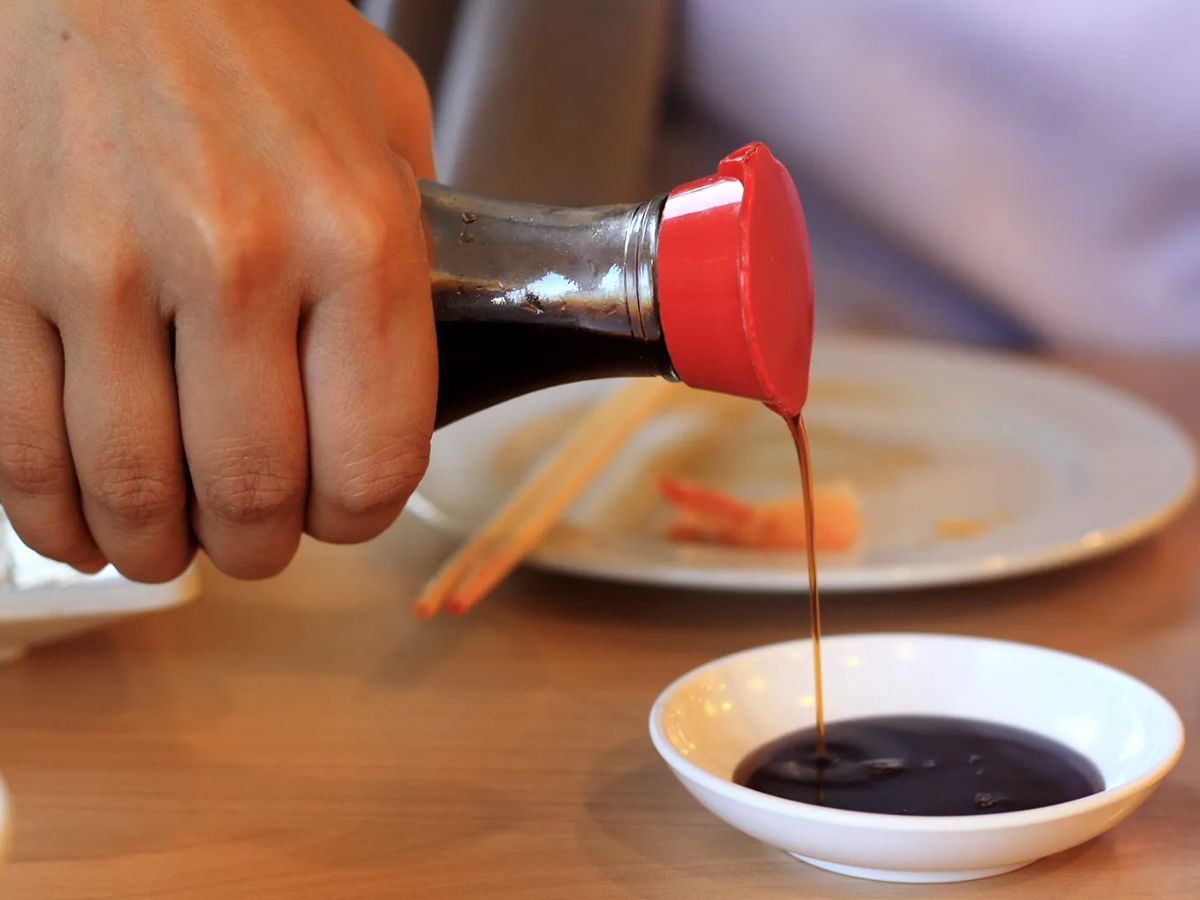
Soy Sauce
Unopened soy sauce can last over 100 years unopened. Soy sauce can last so long again mostly because of the sodium content, since sodium is a natural preservative to prevent spoilage.




