
A Look At Jewar’s Noida International Airport Phase I: India’s Mega Aviation Hub Opens Its Doors To The World — In Pics
Prime Minister Narendra Modi inaugurated Phase I of the Noida International Airport in Jewar today, March 28, 2026, which creates a historic milestone that transforms the NCR into an international aviation hub.
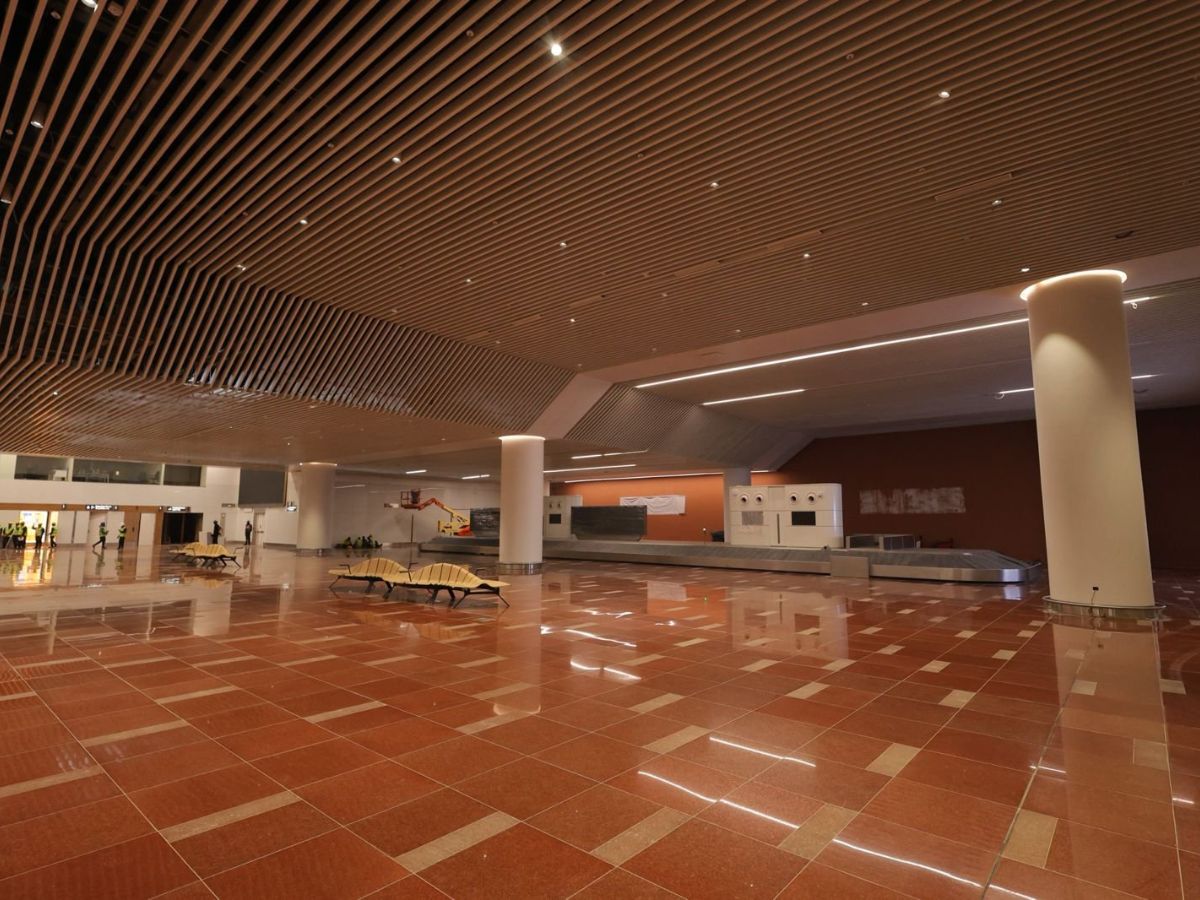
Capacity and Scalability
Phase I begins with a 12 million annual passenger capacity through a single 100,000-square-meter terminal. The master plan allows for seamless expansion across four stages, eventually reaching a massive 70 million passengers to rival the world's largest hubs.
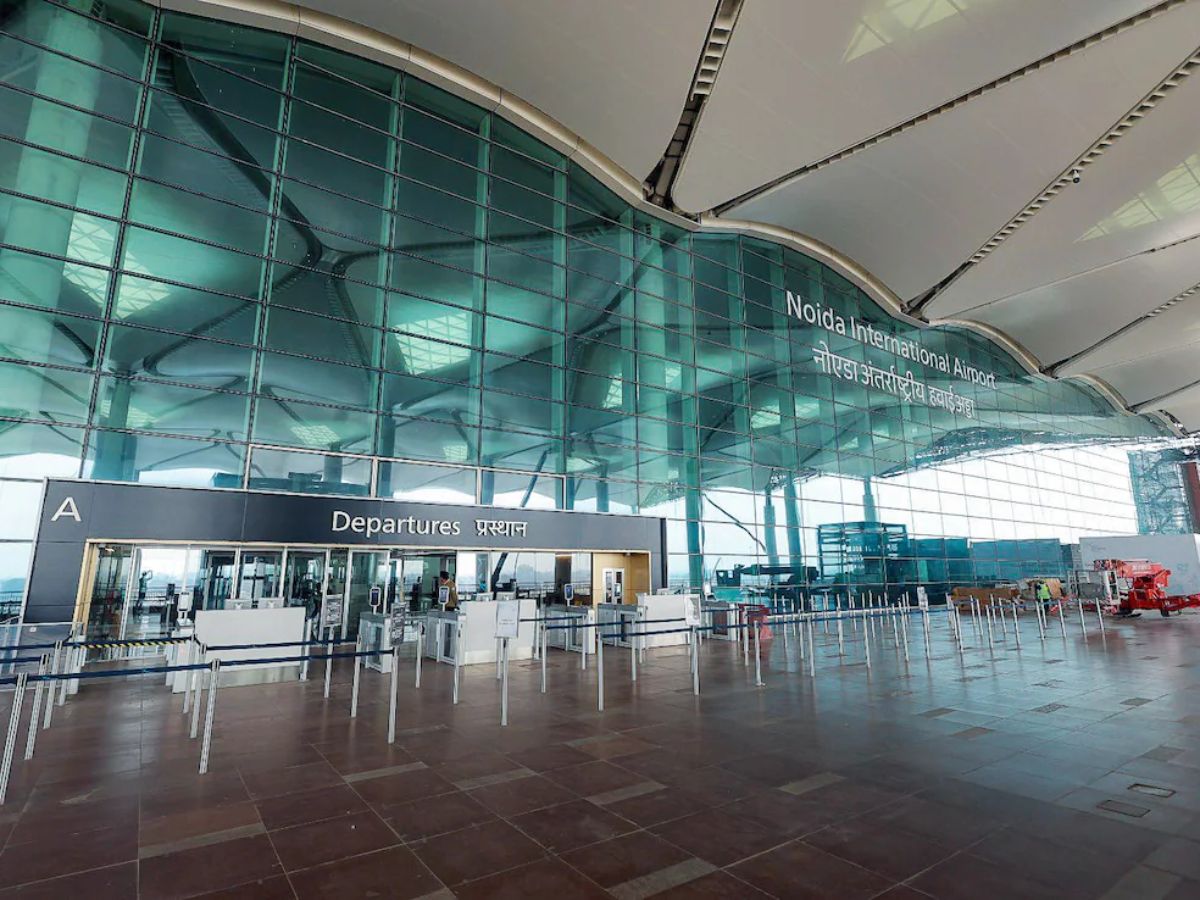
Infrastructure for All-Weather Operations
The airport features a 3,900-meter runway capable of landing the world's largest wide-body aircraft like the Airbus A380. It is equipped with advanced CAT III Instrument Landing Systems, ensuring flights can take off and land safely even during North India’s dense winter fog.
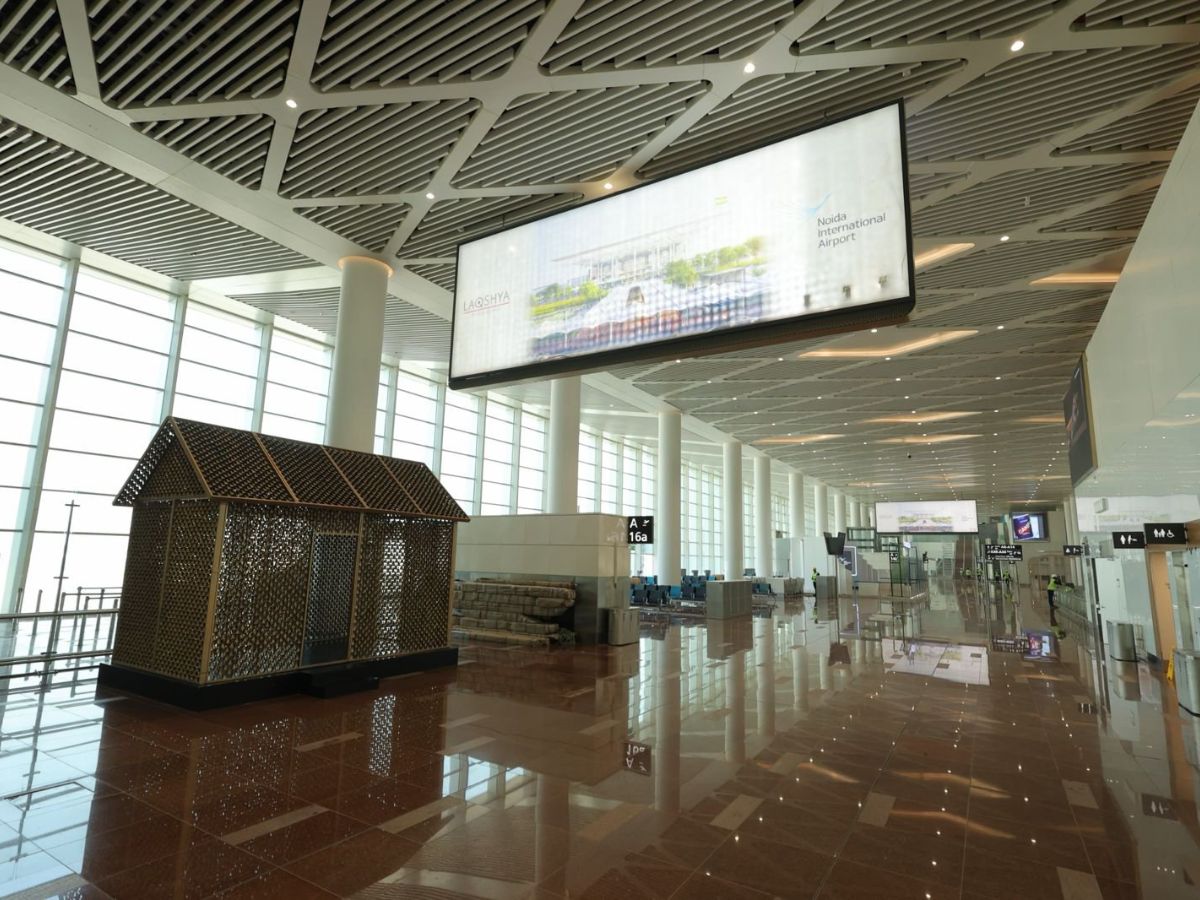
A Multi-Modal Logistics Powerhouse
The facility includes an Integrated Cargo Terminal handling 2.5 lakh metric tonnes annually to boost regional trade. It also hosts a dedicated 40-acre MRO (Maintenance, Repair, and Overhaul) facility, allowing airlines to service their fleets on-site for the first time in the NCR.
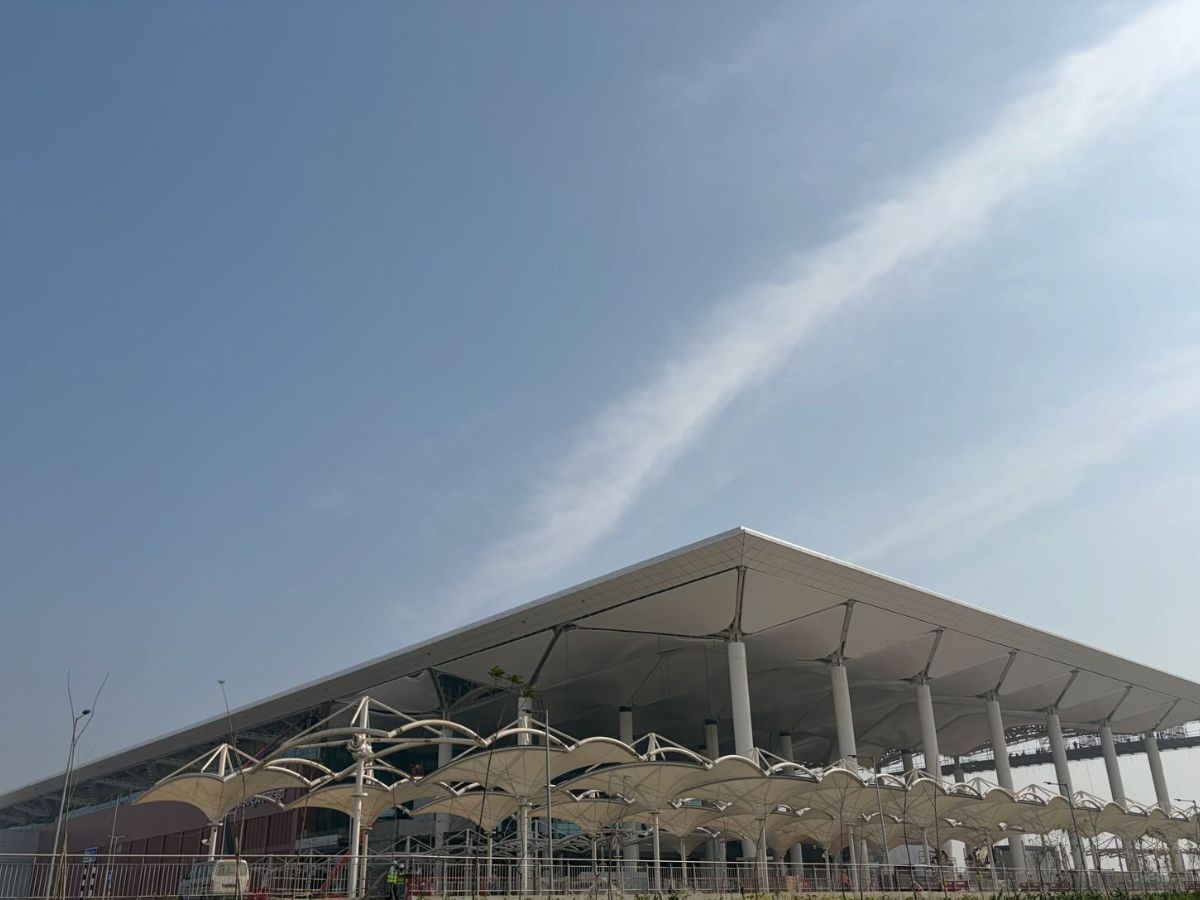
Digital-First Passenger Experience
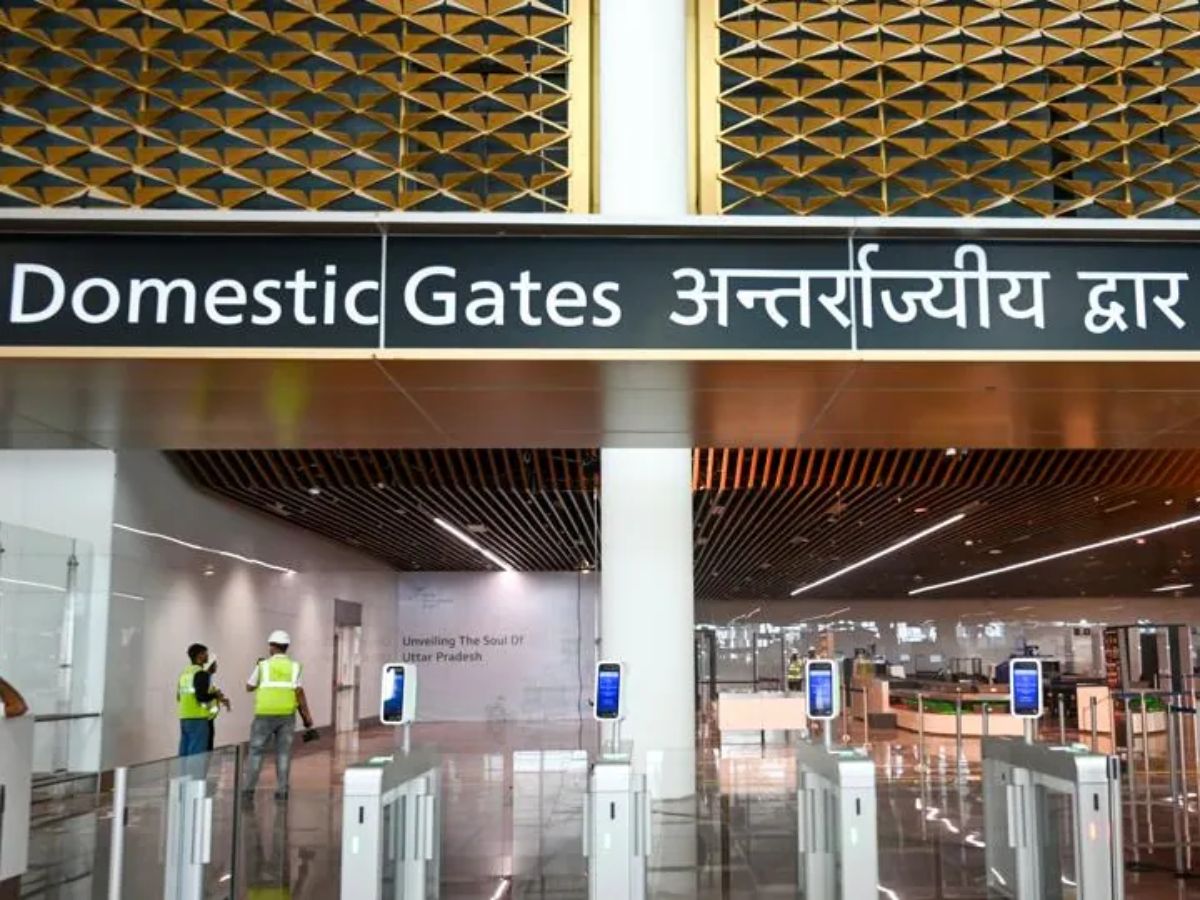
The "Smart Terminal" utilizes DigiYatra biometric technology for a completely paperless and contactless journey from entry to gate. With 48 check-in counters and 20 self-baggage drops, the airport is designed to minimize wait times and maximize traveler efficiency.
Seamless Connectivity
Located directly on the Yamuna Expressway, the airport is linked to Delhi, Agra, and Faridabad via a network of high-speed roads. Future integration includes a dedicated Metro line and a station for the Namo Bharat (RRTS), connecting it directly to the heart of the National Capital Region.




