
Sawan 2025 In Pics : Here Are The List Of Temples You Must Visit This Monsoon
Sawan (Monsoon) 2025 begins today and stretches upto August 09, draping the entire country with wet-green hues and devotion. This sacred Hindu month is an ethereal time of purity and devotion. Devotees dedicate their time in praying, fasting and also undertake the frantic Kanwar Yatra with great enthusiasm. With immense faith and devotion in their hearts, Lord Shiva devotees visit major Shivlingas to offer the holy water.
The month of Sawan (Monsoon) is named after the period of Samudra Manthan when for the sake of the world, Lord Shiva drank the deadliest poison called Halahala. Significantly elevated by this act of sacrifice, Lord Shiva is worshiped. Even more sacred are the Mondays during this season known as “Sawan ke Somwars,” when more stringent fastings to Shiva Lingam and rudra abhisheks are observed. This ritual includes, the bathing of Shiva Lingam with various holy substances such as milk, water, honey, and bel leaves to seek blessings of prosperity, well-being, and marital harmony.

Kashi Vishwanath Temple
Kashi Vishwanath Temple, Varanasi: Being a much venerated Jyotirlinga, the Kashi Vishwanath is a prime meeting point for many Kanwariyas. They bring holy Ganga water from various sources, especially Haridwar, to perform Jalabhishek, believing it washes away sins and bestows blessings in profusion, especially during Sawan-the whole city gets flooded with devotees and turns into a vibrant atmosphere.
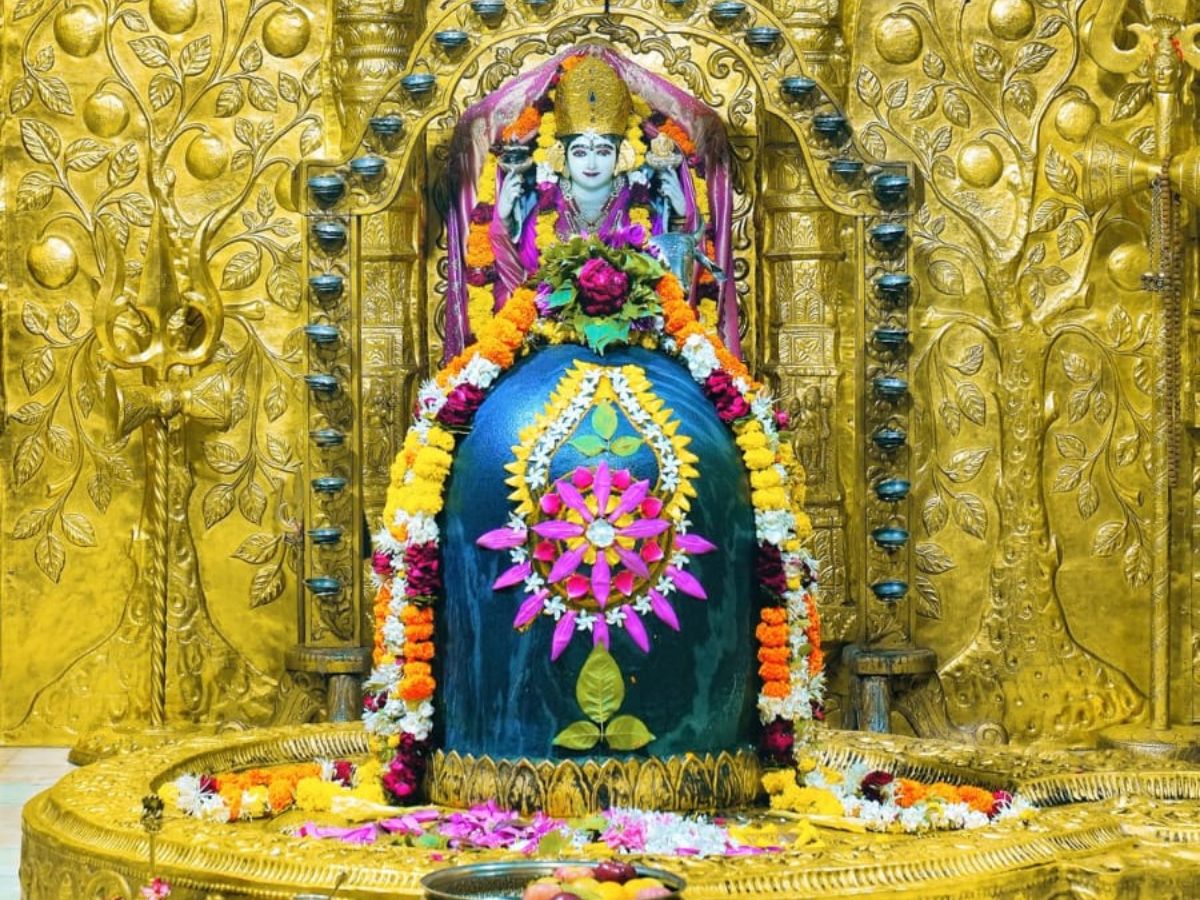
Somnath Temple
Somnath Temple, Gujarat: Somnath Temple is extremely sacred and is the first of the twelve Jyotirlingas. Devotees in Gujarat and the surrounding areas observe Sawan with great reverence, offering prayers and performing abhishekam with various holy substances in order to seek Lord Shiva's blessings for peace and prosperity, even though it is not a major destination for the traditional Kanwar Yatra (which is primarily North Indian).
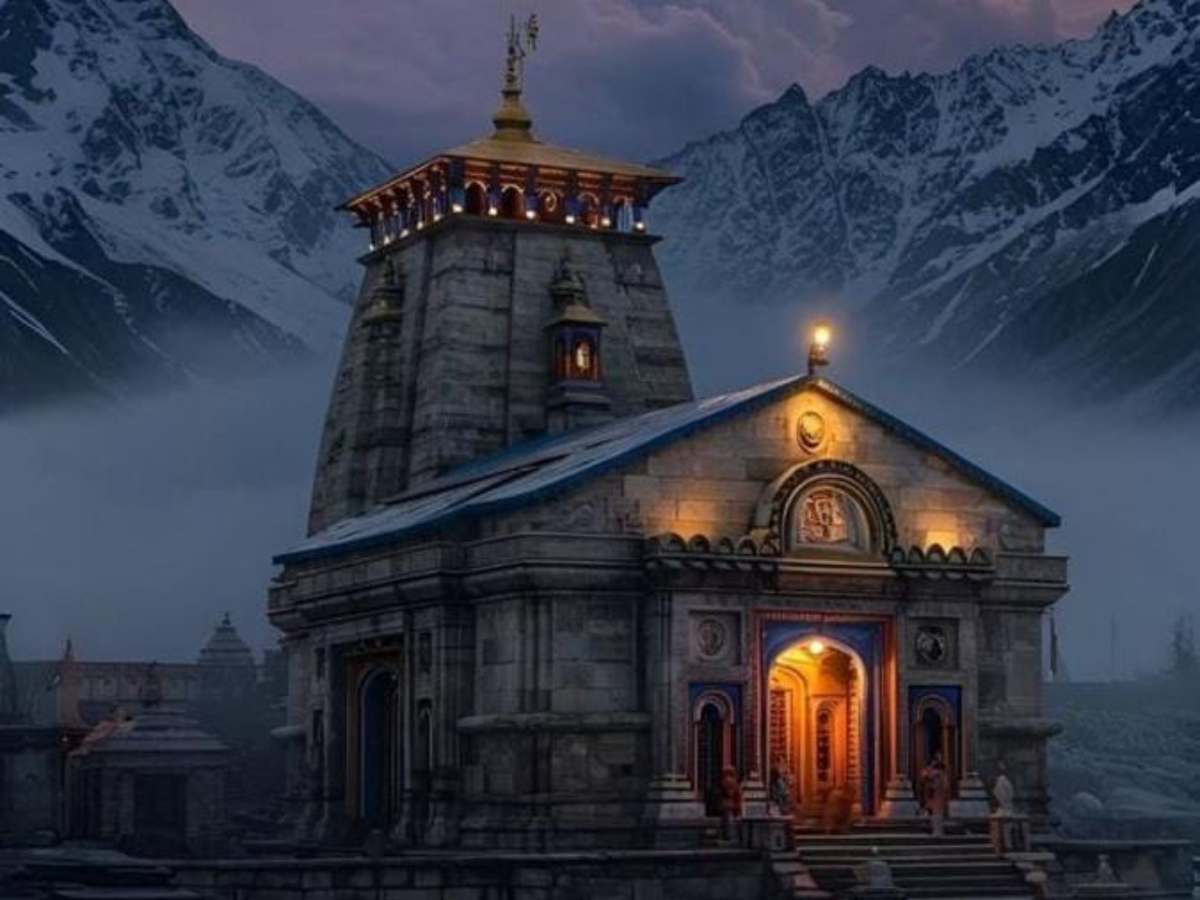
Kedarnath Temple
Kedarnath Temple, Uttarakhand: Kedarnath is one of the Char Dham pilgrimage sites and a highly revered Jyotirlinga. Sawan sees a significant increase in devotees, while direct Kanwar Yatra to Kedarnath is less common due to the challenging terrain, pilgrims often offer water collected from the Ganges or other holy sources to seek liberation and spiritual upliftment during this auspicious month.
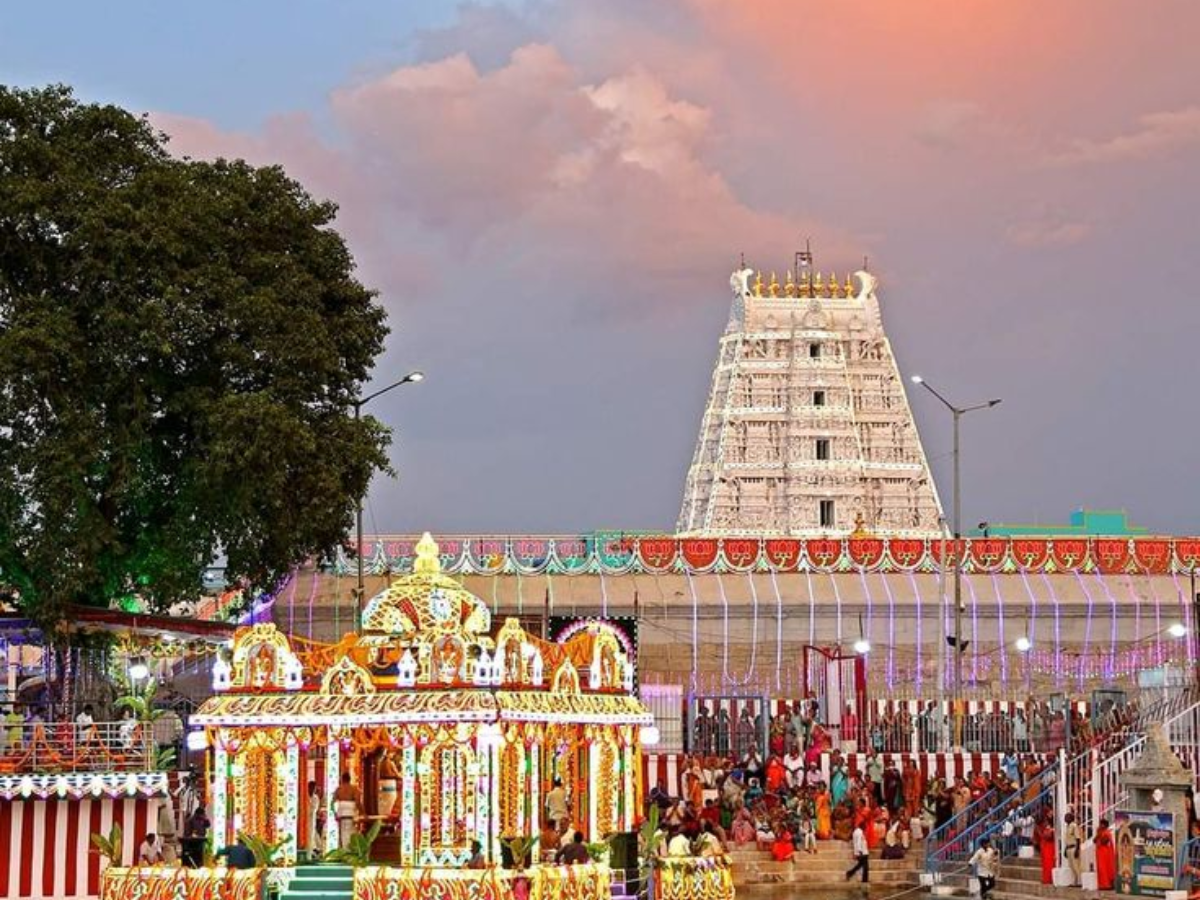
Rameshwaram Ramanathaswamy Temple
Rameshwaram Ramanathaswamy Temple, Tamil Nadu: This southern Jyotirlinga is significant for its association with Lord Rama, who is said to have worshipped Shiva here after his victory over Ravana. While not typically part of the Kanwar Yatra routes originating from the Ganges, Sawan is still a period of heightened devotion.
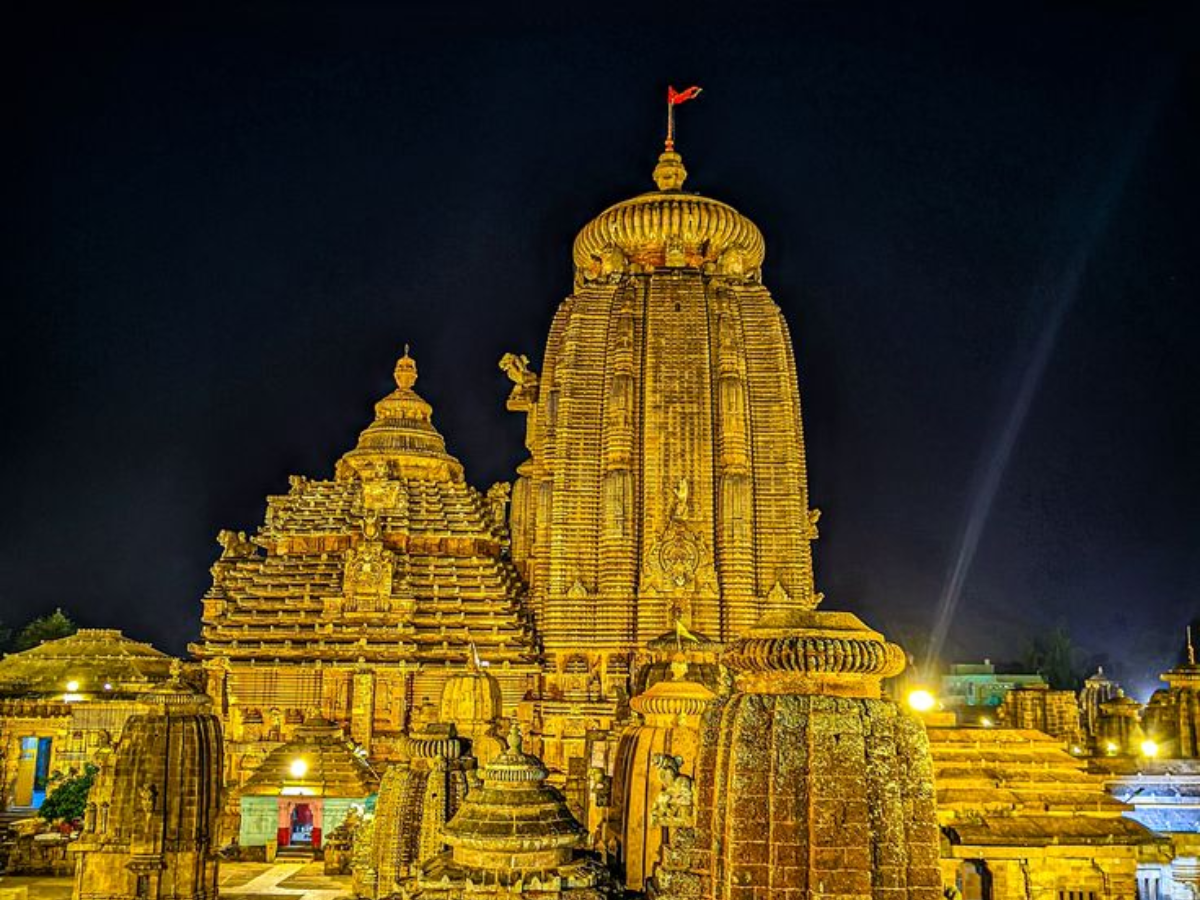
Lingaraj Temple
Lingaraj Temple, Bhubaneswar: A magnificent example of Kalinga architecture, Lingaraj Temple in Odisha is a significant Shiva shrine in Eastern India. During Sawan, particularly on Mondays, thousands of local devotees and pilgrims undertake barefoot journeys, carrying holy water, often from the Mahanadi River, to offer to the Harihara (Shiva-Vishnu united) deity, seeking fulfillment of wishes and blessings.
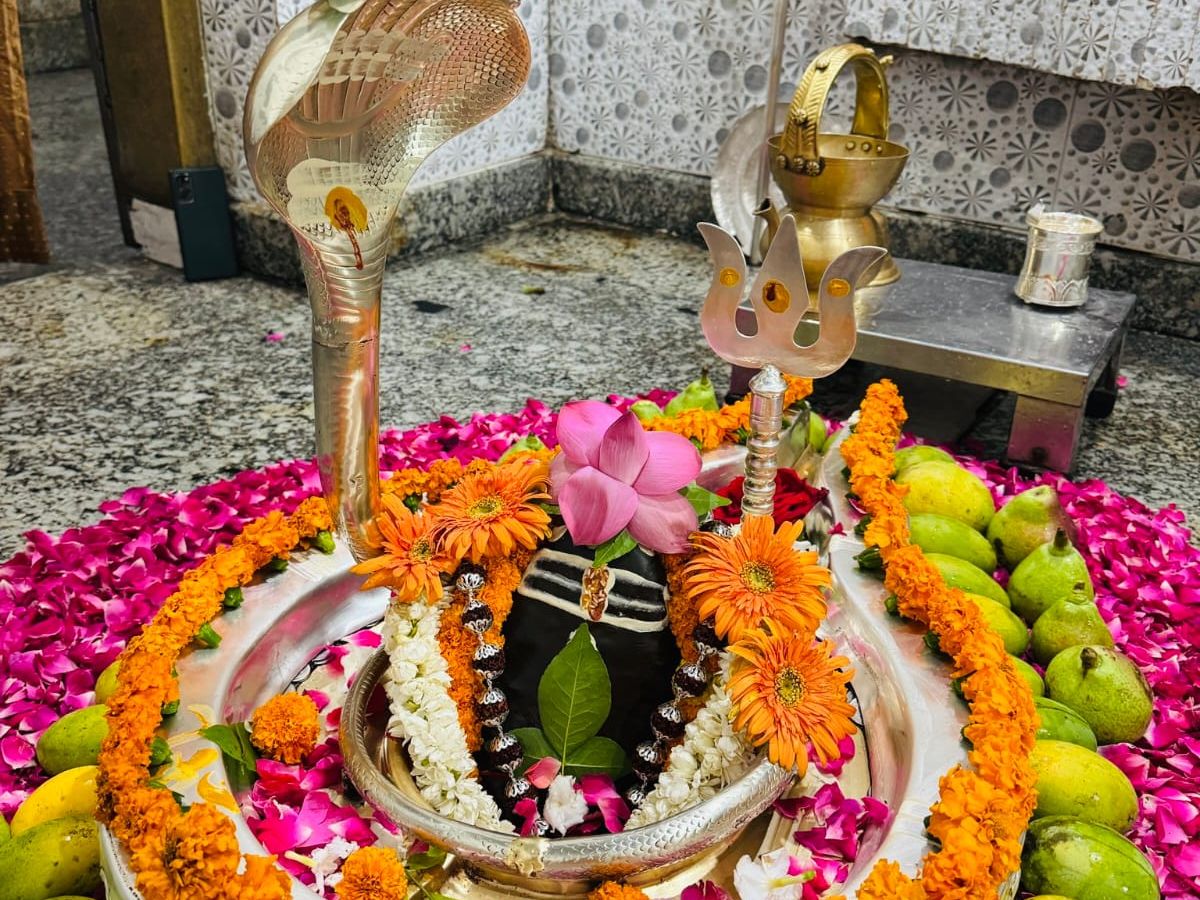
Neelkanth Mahadev Temple
Neelkanth Mahadev Temple, Rishikesh: This temple is a highly popular destination for Kanwariyas, especially those originating from nearby regions. Situated near Rishikesh, it's believed to be the spot where Lord Shiva consumed the Halahala poison. Kanwariyas often collect Ganga water from Haridwar and trek to Neelkanth Mahadev, offering the sacred jal to alleviate suffering and seek Lord Shiva's protection.
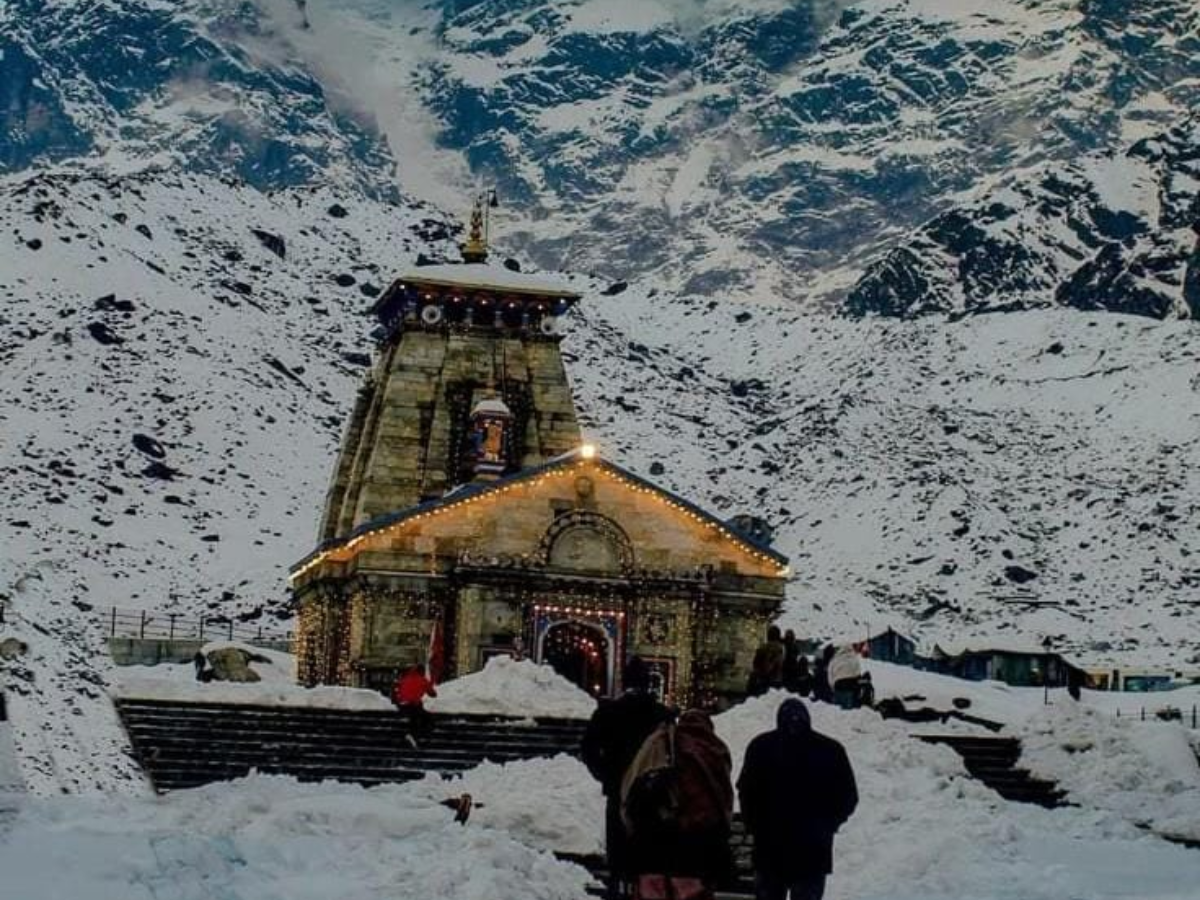
Amarnath Temple
Amarnath Temple, Jammu & Kashmir: The Amarnath Yatra, an independent and arduous pilgrimage, peaks during Sawan. Devotees brave challenging terrain to witness the naturally formed ice Lingam of Lord Shiva. While not a traditional Kanwar Yatra where water is carried from the plains, the Amarnath Yatra during Sawan is a supreme act of devotion, believed to grant moksha (salvation) and fulfill desires.




