
Sawan 2025: Why It Matters, How to Worship, and Its Deep Significance: In Pics
Sawan, also known as Shravan Maas , is considered as one of the holiest month in the Hindu calendar. The month is dedicated to Lord Shiva and is highly significant to his devotees. In Hinduism, Sawan typically means monsoon and falls in the month of July or August. Worshipping Lord Shiva during this month brings immense blessings and fulfill the desires of devotees. The auspicious month brings in revival and growth with lush greenery and fresh life. This year the holy month of Sawan will begin from July 11 and will witness various rituals like Sawan Somwar Vrat , Jalabhishek, Temple visits, Rudrabhishek , Saattivik lifestyle and Mangala Gauri Vrat. Sawan is the first and most significant month within Chaturmas which began on July, 6. Let’s look at the month of Sawan through a visual gallery.

Lord Shiva
Sawan is the holiest month dedicated to Lord Shiva. It is a time of deep devotion and spiritual renewal. As rains cleanse the earth, devotees seek Shiva's blessings for inner peace, strength, and transformation.
Jalabhishek
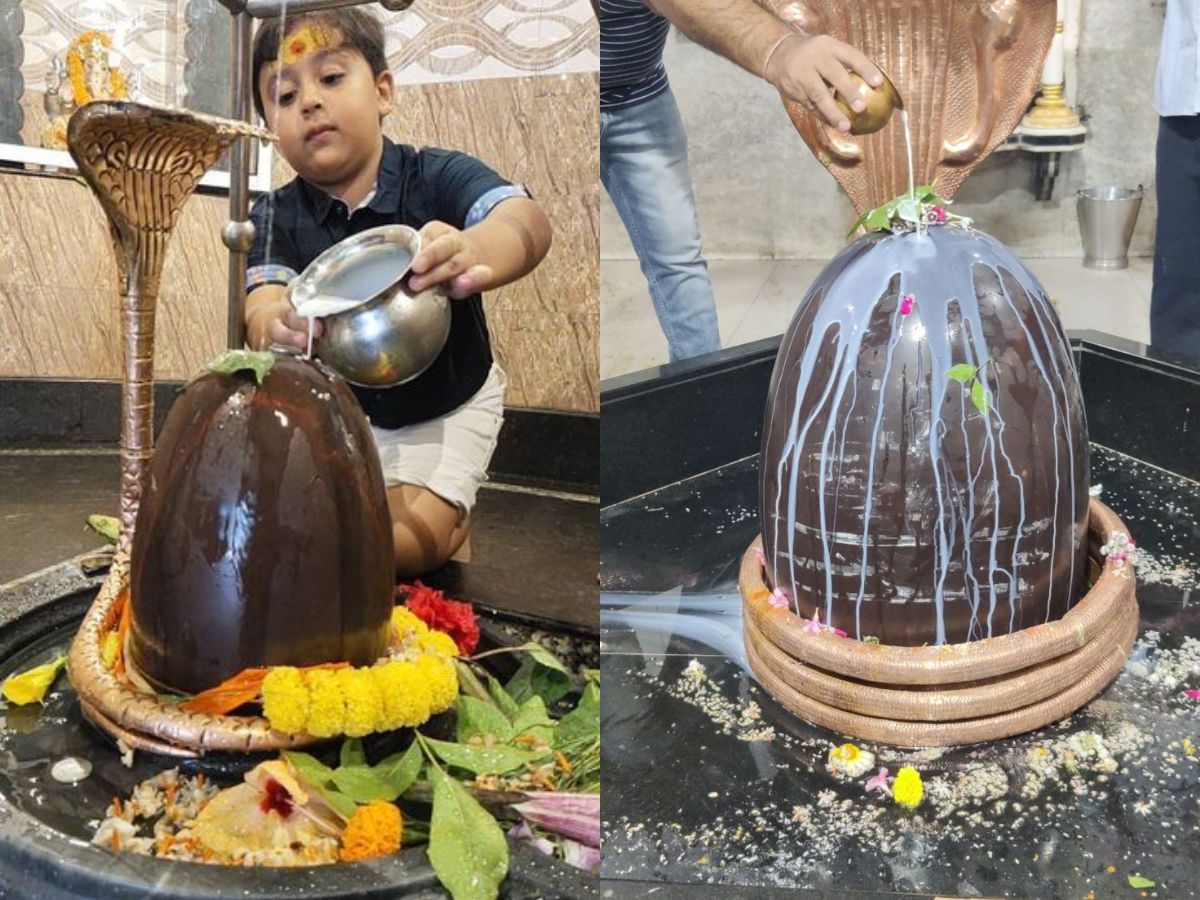
Jalabhishek is the sacred ritual of pouring water, milk, or Gangaajal over the Shivling. During Sawan, Mondays (Somvars) are especially considered auspicious for Jalabhishek. The act is done to seek Lord Shiva’s blessings and symbolizes purity and devotion, drawing millions devotees to temples during Sawan.
Beautiful Sawan Shivratri Celebrations Across Temples
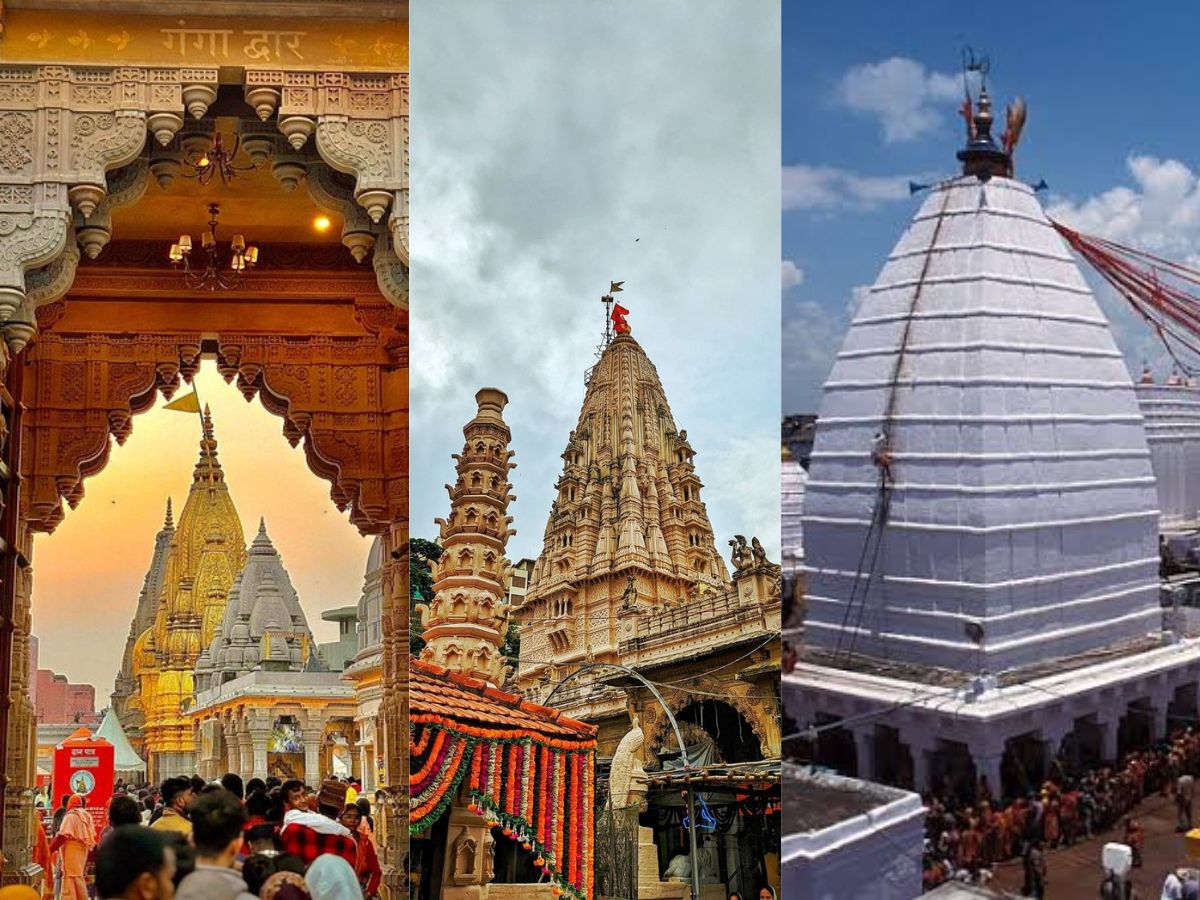
The grandeur of Kashi Vishwanath, Babulnath, and Baidyanath Dham during the holy month of Sawan. The temples radiate a pure , spiritual and serene energy that soothes the mind of devotees and strengthens their connection with Shiva.
Kanwar Yatra
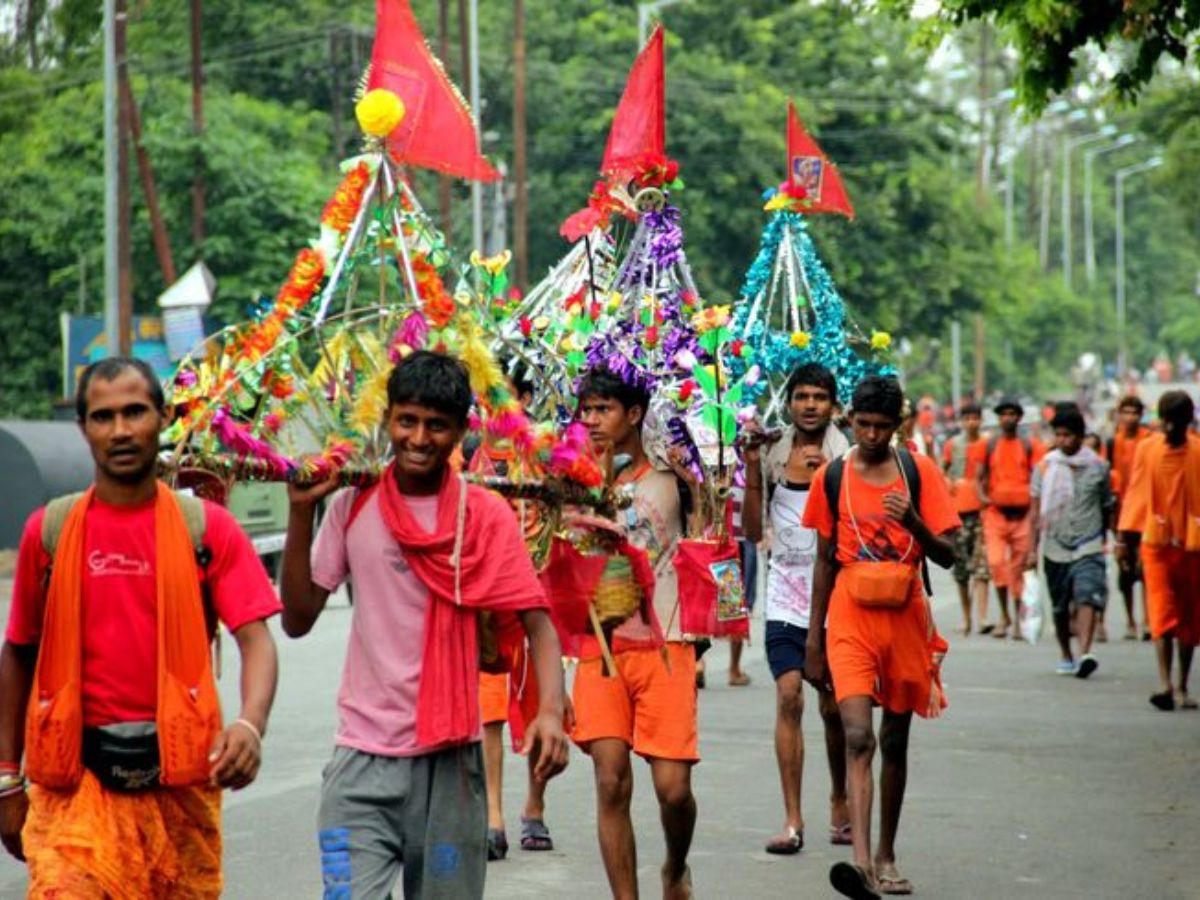
During Sawan, the Kanwar Yatra is an annual pilgrimage where devotees of Lord Shiva, Kanwariyas, travel often barefoot to collect holy water from the Ganga and then offer it to Shiva temples, usually at their local shrines. These Kanwariyas are dressed in saffron and carry decorated kanwars (bamboo poles) and chant 'Bol Bam'. symbolizing faith, endurance, and devotion.
Hariyali Teej
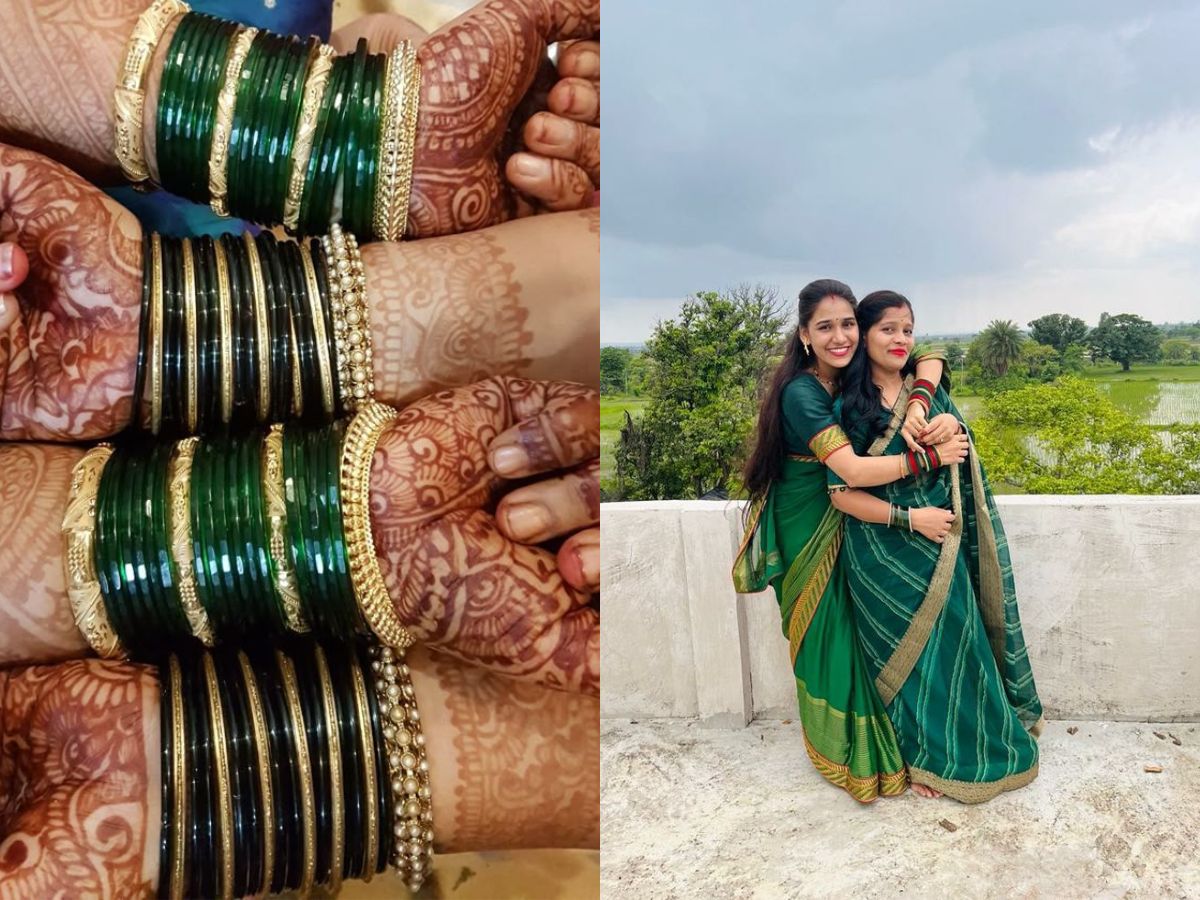
Hariyali Teej is celebrated during the monsoon month of Sawan and marks the divine union of Lord Shiva and Goddess Parvati. Women dress in green, apply mehndi, and swing on decorated jhulas. During this festival women pray for marital happiness and prosperity.
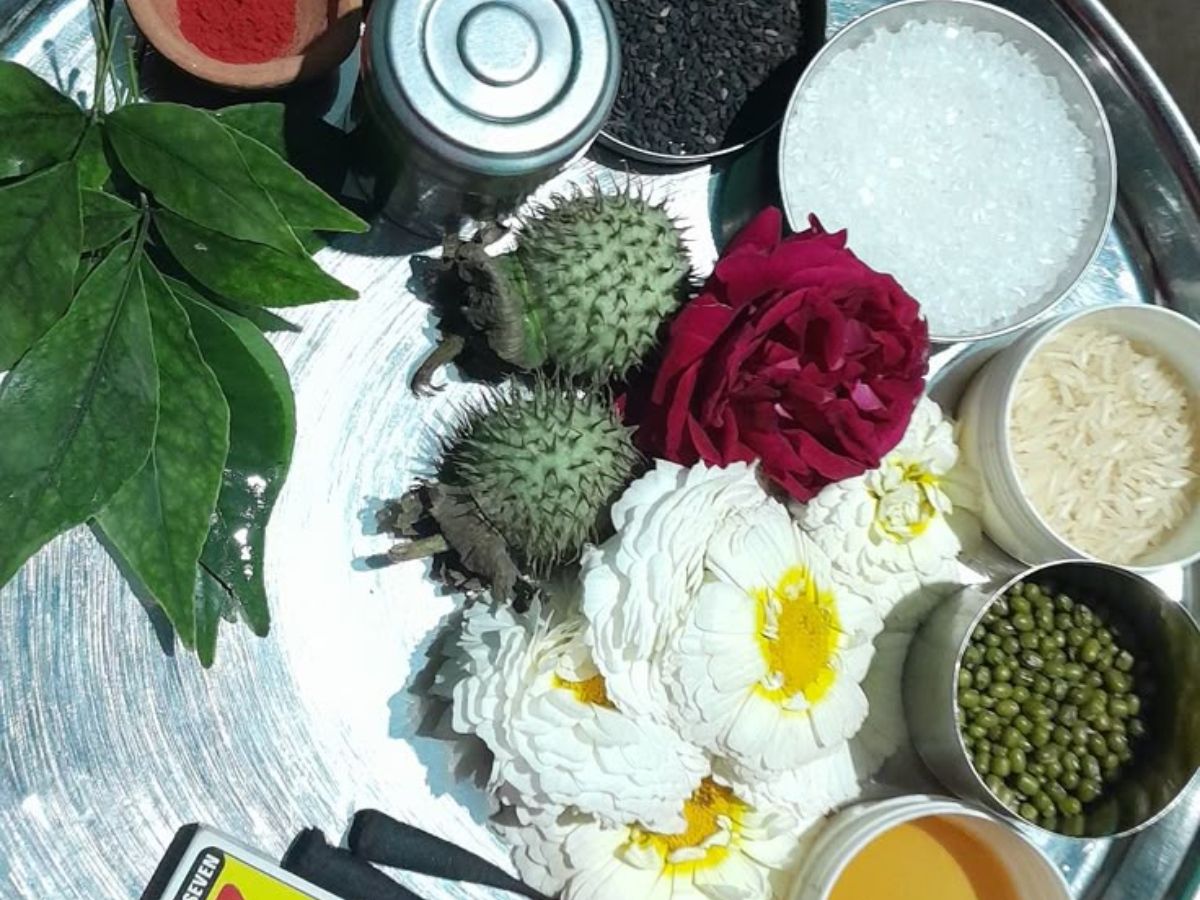
Sacred Offerings To Lord Shiva During Sawan
During Sawan, devotees offer Bel Patra, Dhatura, milk, Ganga jal and flowers to Lord Shiva as symbols of purity and surrender. Bel Patra represents the sacred trinity and is believed to cool Shiva’s fierce energy, while Dhatura, a wildflower, is associated with his ascetic nature. Each of these offerings holds spiritual meaning and symbolise deep devotion.
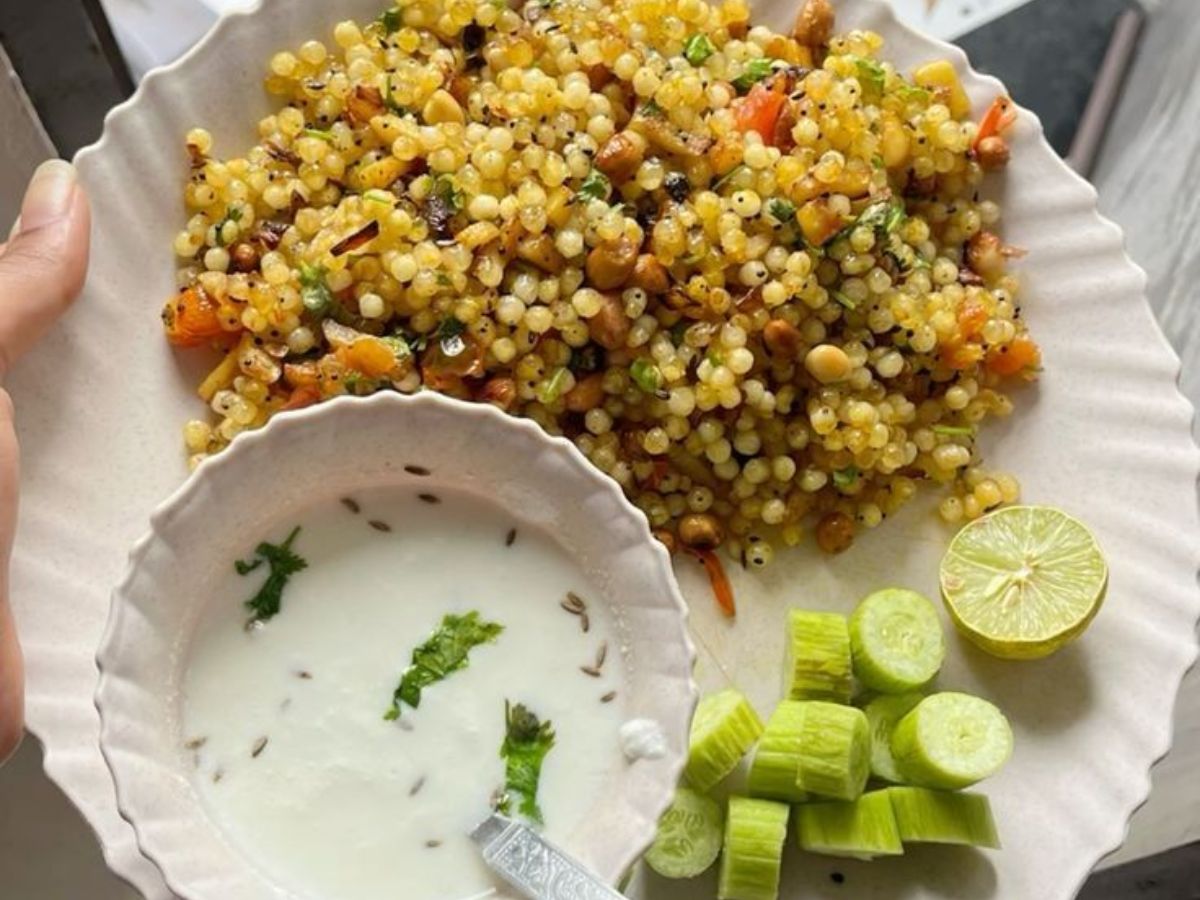
Sattvic Fasting Food
During Sawan, devotees observe fasts with Sattvic food like sabudana khichdi, fruits, curd, and rock salt–based dishes to purify the body and mind. These simple, non-grain meals align with spiritual discipline and devotion to Lord Shiva.




