
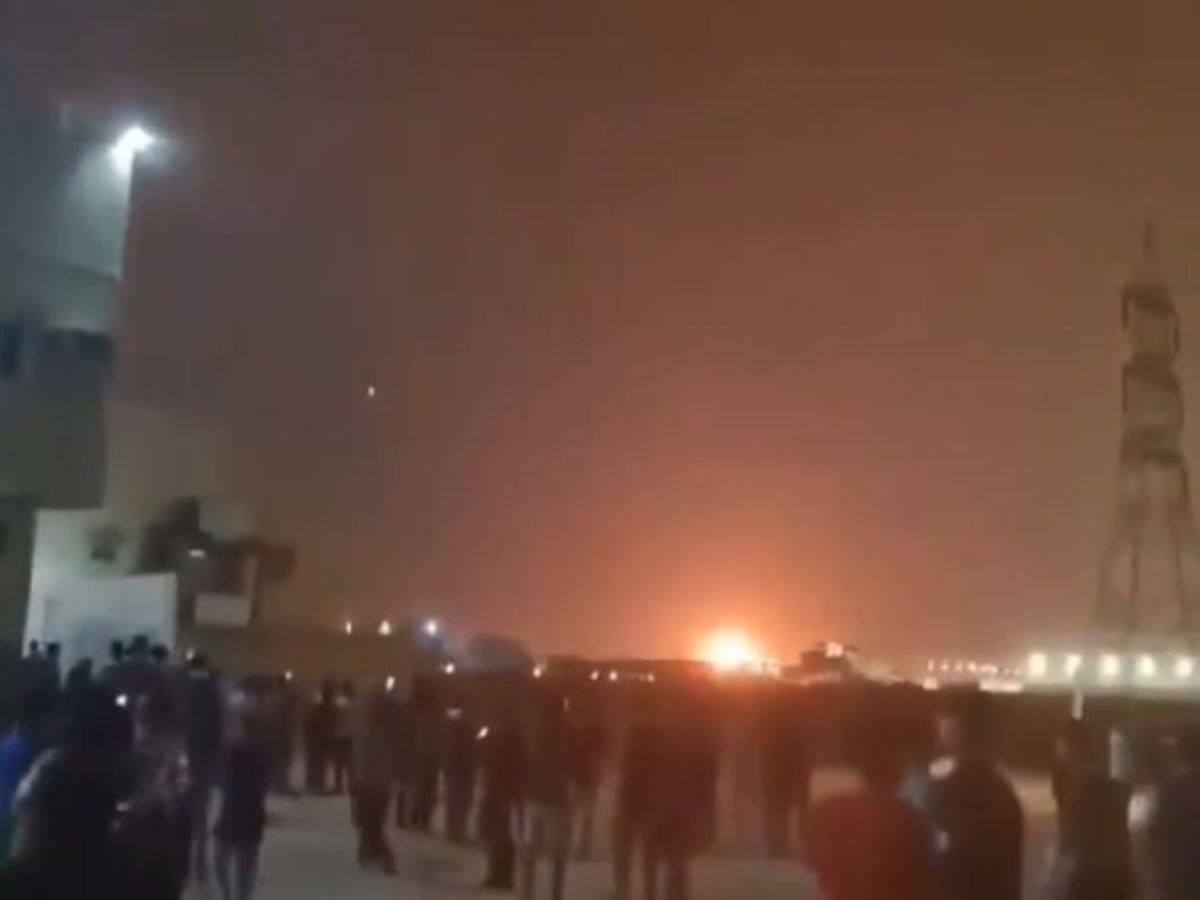

The recent stage of the Iran related rivalry seems to be a direct confrontation in the Gulf, which is characterized by direct attacks on energy facilities of vital infrastructure. The escalation is based on the Israeli raids on the South Pars gas field, which is the largest natural gas reserve in the world which reportedly results in the Iranian officials signaling that they would turn to a retaliatory response under a doctrine of eye for an eye. In several hours, missiles hit strategic regional facilities, such as Ras Laffan Industrial City, one of the most important locations in the world and the global energy supply, including liquefied natural gas.
Global Oil And Gas Network Under Fire As Iran-Israel War Targets Energy Infrastructure After South Pars Strike — What Are These Key Facilities?
The trend of the attacks indicates that there has been a strategic shift to orient towards economic lifelines and not necessarily military targets. Besides the attack on Ras Laffan, other attacks were reported on other key facilities like the Habshan gas facility and Bab oil field which were intercepted by UAE air defenses. The UAE denounced the strikes saying it was a dangerous escalation and against international law and that any such moves would directly threaten regional and global energy security. In the meantime, crises in the Strait of Hormuz where about a fifth of the world’s oil is channeled through, have heightened the apprehension of such instability in supply chains and the economic aftermath in general.
Ras Laffan Strike
The consequences of this rise are enormous and could be long term. Qatar, the home of Ras Laffan, is the largest exporter of liquefied natural gas in the world, the disruption of which on a long term basis would be a significant concern to the markets in Asia and Europe. Analysts have cautioned that even though the existing price spikes may correspond to a risk premium, further destruction of infrastructure may cause structural supply shortages, which will perpetrate long term rises in oil and gas prices. Outside of energy, these upheavals could spill over into electrical production, industrial production and water desalination systems in certain areas highlighting the long range impact of a conflict that has gone more and more economic warfare in nature.




