

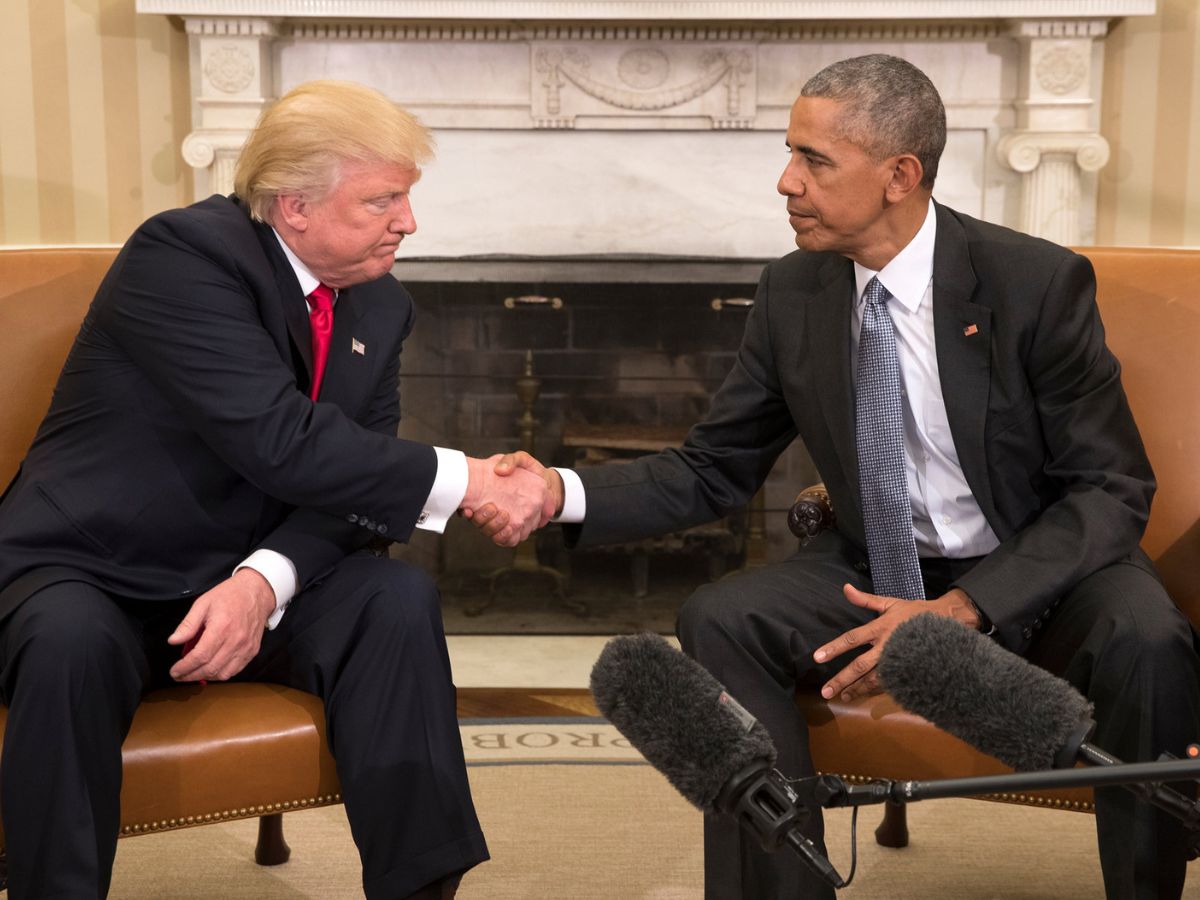
The push by Donald Trump for a new deal with Iran is increasingly being likened to the landmark 2015 nuclear deal, the Joint Comprehensive Plan of Action (JCPOA), negotiated under former US President Barack Obama. The comparison is politically significant given that Trump withdrew from the agreement in 2018 and made opposition to it a central part of his foreign policy agenda. Reports suggest the emerging framework could include a temporary ceasefire, steps to restore stability in the Strait of Hormuz, and a roadmap for future talks on Iran’s nuclear programme. These similarities have raised questions about whether Trump can present any new agreement as a major improvement over the deal he once rejected.
Trump Seeks a Tougher Deal Than the JCPOA
The White House is facing pressure from Israel and conservative Republicans to secure stronger terms than those contained in the 2015 accord. Washington is reportedly seeking long-term restrictions on Iran’s nuclear activities and guarantees that Tehran will never develop a nuclear weapon. Trump has repeatedly insisted that Iran must end uranium enrichment altogether, a demand Iranian leaders continue to reject. Any agreement resembling the JCPOA could prove politically challenging for a president who withdrew from the pact during his first term.
What Was the JCPOA?
Signed in 2015 between Iran and six world powers, the JCPOA aimed to limit Iran’s nuclear programme in exchange for sanctions relief. Iran committed to cutting its stockpile of enriched uranium, set limits on the level of enrichment, take apart centrifuges, reconfigure major nuclear facilities and permit widespread inspections by the International Atomic Energy Agency (IAEA). In return, nuclear-related sanctions were lifted, giving Iran greater access to global markets. Following Trump’s withdrawal in 2018, Iran gradually expanded its nuclear programme and enriched uranium to levels much closer to weapons-grade material.
Analysts say many aspects of the current negotiations appear heavily influenced by the original agreement. ‘Trump will be very worried about his deal being compared to Obama’s because ripping up the JCPOA was a centrepiece of the early days of his first administration,’ said Andrew Moran, professor of politics and international relations at London Metropolitan University, as quoted by iNews. ‘If that deal had stayed in place, it is unlikely that we would be in the situation that we’re in now.’
Mark Shanahan, associate professor of political engagement at the University of Surrey, also pointed to similarities between the two frameworks. ‘Trump’s deal is looking very similar to the JCPOA,’ Shanahan told iNews. ‘It feels like the whole framework of these negotiations is based on the Obama deal, the only difference being the reopening of the Strait of Hormuz, which was open and running freely until Trump started this war.’
Strait of Hormuz and Sanctions Relief in Focus
One of the biggest sticking points remains Iran’s demand for sanctions relief and access to frozen assets. Reports indicate Tehran is seeking billions of dollars in unfrozen funds as part of any future arrangement. The Strait of Hormuz has also become a central issue. As one of the world’s most important energy routes, any disruption to shipping through the waterway could have major consequences for global energy prices and inflation.
Shanahan argued that negotiations are now focused on finding a diplomatic exit from conflict rather than securing a decisive victory. ‘Negotiations are now about trying to get out of a war and preserving some dignity,’ he said.
Republican Concerns and Regional Challenges
Opposition to a potential agreement is emerging from within Trump’s own party. Senator Ted Cruz warned that allowing Iran to retain enrichment capabilities while gaining economic benefits would be a serious mistake. ‘If the result of the war is to be an Iranian regime still run by Islamists who chant ‘death to America’ now receiving billions of dollars, being able to enrich uranium and develop nuclear weapons, and having effective control over the Strait of Hormuz, then that outcome would be a disastrous mistake,’ Cruz said.
Trump has also sought to connect the negotiations to a broader expansion of the Abraham Accords. However, regional support appears limited, with several countries showing little enthusiasm for joining the initiative. Analysts say ongoing tensions involving Israel and Iran remain a major obstacle, making any comprehensive diplomatic breakthrough difficult despite renewed negotiations.
Also Read: Netanyahu Reacts To Trump Truce, Warns Beirut Strikes If Hezbollah Attacks Continue
Harshita is a journalist and digital content writer specializing in breaking news, current affairs, travel, education, and trending stories. She is focused on delivering accurate, timely, and engaging content with a strong emphasis on clarity and audience relevance.





