
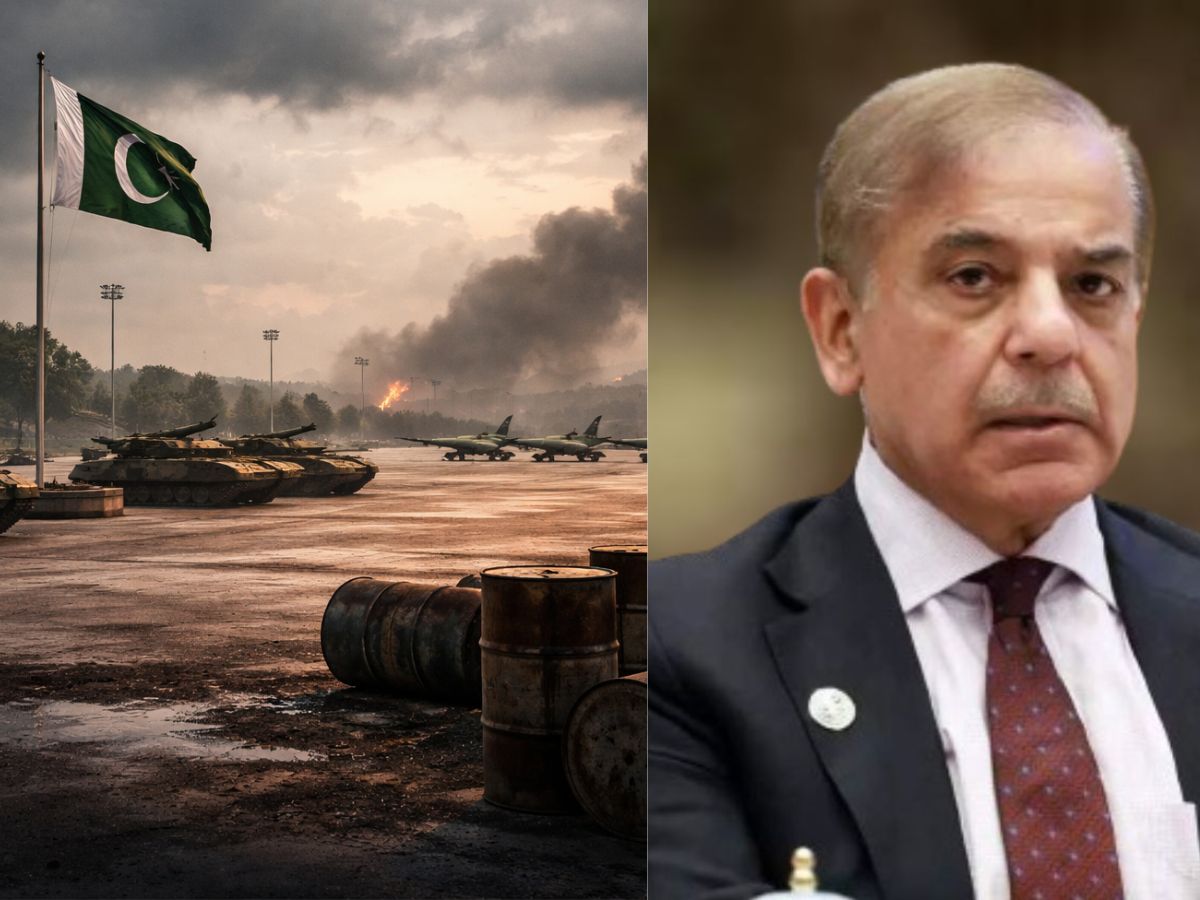

As part of mounting economic pressure, Pakistan cancelled its annual Republic Day military parade that was to take place on March 23 and instead held a low profile celebration. The day will now be observed with a plain flag hoisting ceremony as per a statement of the office of Prime Minister Shehbaz Sharif, which will be observed with dignity and reverence. The ruling is an indication of the greater austerity drive the government is moving towards as it struggles with the financial consequences of a worsening global oil crisis. The authorities emphasized that it would be a limited celebration but the symbolism of the day of Pakistan would not be diminutive.
Pakistan Cancels Republic Day Parade
Traditionally, the day of March 23 is marked with a massive military ceremony, with 31 gun salute on the federal capital, and 21 gun salutes on provincial capitals, after which there is a mass parade of the armed forces of the country. The day marks the historic Pakistan Resolution which was passed by a session of the All India Muslim League in 1940 and was the basis of the formation of Pakistan. Nevertheless, the absenteeism of this year highlights the harshness of the crisis at hand with the government encouraging institutions to preserve the spirit of the event at all costs, no matter how harsh cost-cutting decisions are.
Pakistan Facing Oil Crisis
This move follows a steep rise in the price of fuel caused by the turmoil in the global oil and natural gas supply chains, due to the rising tension in the Strait of Hormuz, which is home to a major part of the global energy. In Pakistan, petrol prices have increased drastically and this has added more pressure to the families, businesses and farmers who are already experiencing the increase in prices. The government in retaliation has come up with dramatic austerity measures such as a four day workweek in government offices, half staff working remotely, cut fuel allowances, and schools being closed temporarily. All of these steps are indicators of how severe the crisis is and how the government tries to operate with a finite amount of resources and overcome the uncertainty of the global economic situation.




