
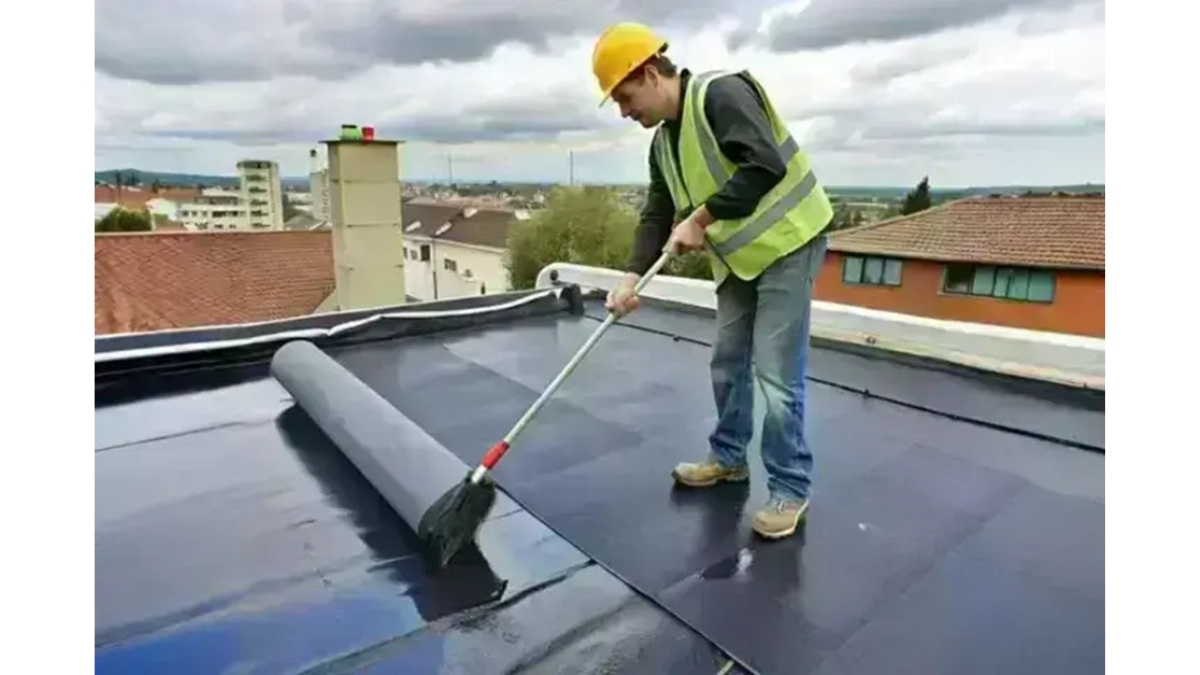

Roof waterproofing is a critical decision in residential construction, but it is often approached as a standard step rather than a carefully evaluated process. Different roofs have different exposure conditions, usage patterns, and structural requirements, yet a single method is often applied without considering these variations.
The effectiveness of roof waterproofing depends on selecting the right approach based on the type of roof, environmental conditions, and long-term usage. In structured home construction services, waterproofing is not treated as a one-size solution but as a system that needs to match the specific requirements of the building.
Understanding the Role of Roof Waterproofing
The roof is one of the most exposed parts of a house. It faces direct rainfall, continuous sunlight, and temperature changes throughout the year. Over time, this exposure can lead to cracks, surface wear, and water seepage.
Water entering through the roof does not remain limited to the surface. It gradually affects ceilings, walls, and internal finishes. This makes roof waterproofing an essential layer of protection that supports both structural durability and interior quality.
Different Roof Conditions Require Different Solutions
Not all roofs perform under the same conditions. The type of roof significantly influences the waterproofing approach.
Flat roofs are more prone to water accumulation, especially if the slope is not properly designed. Sloped roofs, on the other hand, allow water to drain more easily but may require protection at joints and connections.
Accessible roofs, such as terraces, face additional stress due to foot traffic and usage. Non-accessible roofs may require less wear resistance but still need protection from environmental exposure.
Selecting the right waterproofing method depends on understanding these conditions rather than applying a standard solution.
Types of Waterproofing Methods Used for Roofs
Several waterproofing methods are commonly used, each suited for different requirements.
Liquid-applied membranes form a seamless coating over the surface and are suitable for complex roof shapes. Cementitious coatings are often used for their ease of application and cost-effectiveness. Polyurethane systems provide flexibility and are useful in areas with high exposure to temperature variations.
The choice of method depends on factors such as exposure level, expected usage, and maintenance requirements. No single method is universally suitable for all cases.
Importance of Surface Preparation Before Application
The performance of any waterproofing system depends heavily on surface preparation.
The roof surface must be cleaned, levelled, and repaired before application. Cracks, joints, and uneven areas need to be addressed to ensure proper bonding of the waterproofing material.
If the base surface is not prepared correctly, even high-quality materials may fail. Poor adhesion leads to peeling, cracking, and eventual seepage.
Proper preparation ensures that the waterproofing layer performs consistently over time.
Slope and Drainage Considerations
Waterproofing alone cannot manage water if the roof does not have proper slope and drainage.
A well-designed slope ensures that water flows towards outlets without stagnation. Drainage points must be positioned correctly to allow efficient flow.
If water accumulates on the surface, it increases pressure on the waterproofing layer and accelerates deterioration. Even the best materials may not perform effectively under continuous water exposure.
Aligning waterproofing with slope and drainage design is essential for long-term performance.
Integration Within Home Construction Services
Roof waterproofing does not function independently. It must be aligned with other aspects of construction.
Within home construction services, waterproofing is coordinated with structural design, drainage planning, and finishing work. This ensures that all elements work together without conflict.
For example, pipeline routes, service areas, and surface finishes must be planned in a way that does not interfere with the waterproofing layer. This level of coordination improves efficiency and reduces the need for adjustments later.
Cost Considerations and Long-Term Value
Waterproofing is often evaluated based on initial cost, but long-term performance is equally important.
Choosing a lower-cost solution without considering suitability can lead to repeated repairs. Reapplication, interior damage, and maintenance costs can add up over time.
Selecting the right waterproofing method based on actual requirements provides better long-term value. It reduces maintenance needs and extends the life of the structure.
Maintenance and Inspection Requirements
Even after application, periodic inspection is necessary to ensure continued performance.
Small issues such as cracks, wear in coating, or blocked drainage outlets can develop over time. Identifying these early helps prevent larger problems.
Regular maintenance ensures that the waterproofing system remains effective under changing conditions.
Avoiding Common Decision Mistakes
Many waterproofing issues arise from incorrect decision-making at the initial stage.




