
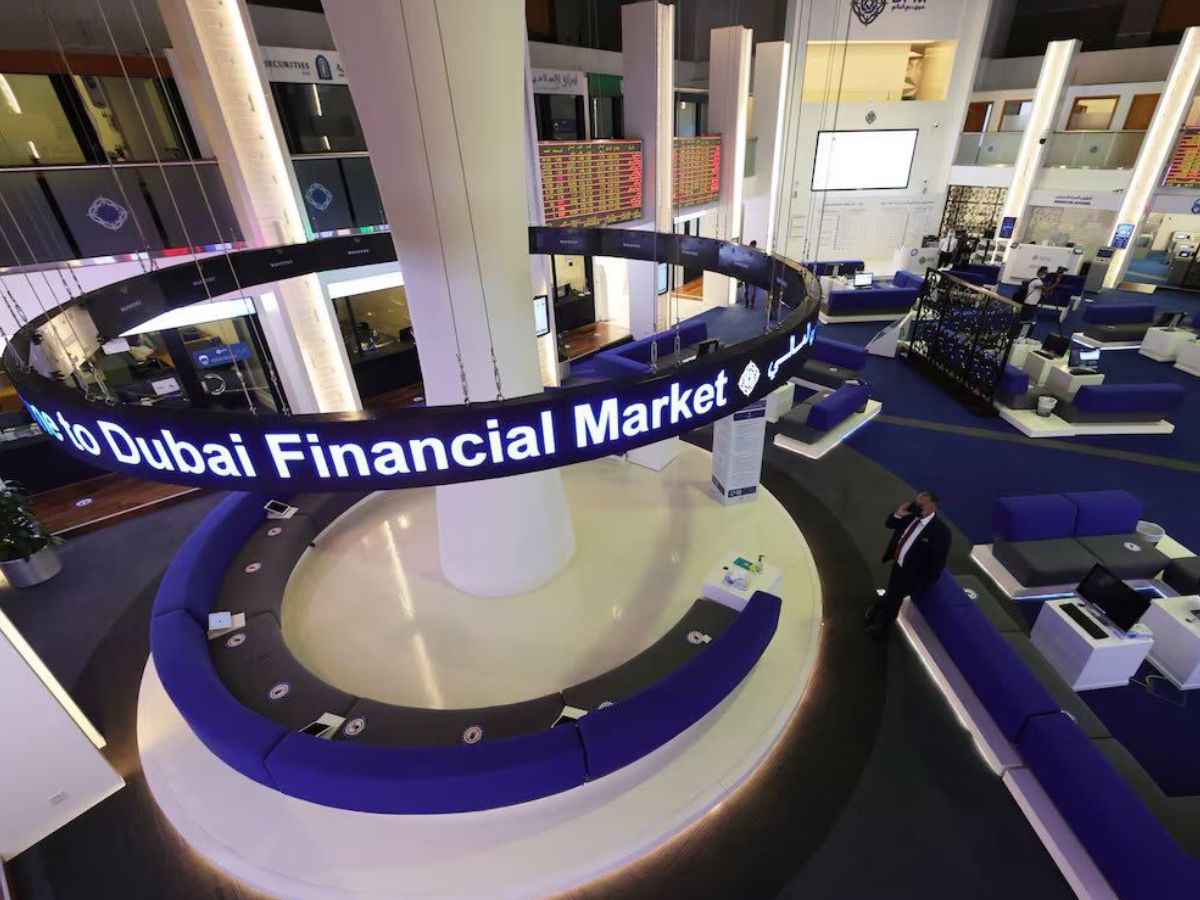

Unlike other countries that have expressed increased caution through withdrawing trading activities on their two largest stock markets, the United Arab Emirates has gone a notch higher to close two of its biggest stock markets in protest against the ongoing conflict in West Asia, a move that indicates more apprehensions of investors towards unstable situations around them.
Will Dubai, Abu Dhabi Stock Markets Open Today Amid US‑Israel‑Iran Conflict? Everything You Should Know
A regulatory announcement will keep the Abu Dhabi Securities Exchange (ADX) and the Dubai Financial Market (DFM) closed on March 2 and 3, 2026. The shutdowns are against the background of geopolitical tension building after organized attacks by United States and Israeli military forces against Iran and their consequent retaliatory attacks on the Gulf region by the Iranian forces. The officials of the UAE Capital Markets Authority indicated that the temporary closure will allow the officials and market participants to have time to evaluate how the recent events affected the financial infrastructure and investor confidence. Analysts have termed the move as a precautionary step aimed at avoiding sharp sell off and additional volatility in equities, derivatives and other listed assets at a time when fear and uncertainty are taking charge of all global markets. The resolution is one of the first indications that the Gulf conflict has seriously interfered with the financial markets. Other regional trades have reacted to the commotion also, the stock exchange in Kuwait has been closed indefinitely and the stock exchanges in Saudi Arabia, Oman and Egypt have been plunged in a sell off as investors pulled their money out of the market in panic. The war has affected the economy at large through massive losses in financial markets that have not been shut down.
Shutting down of ADX and DFM will place billions of dollars of value in the market in limbo and may also make it difficult to discover prices and liquidity after the trading is reinstated. As observed, the pause could potentially postpone market responses, which are inevitable, and risk premia are likely to increase as investors reset their stakes. Other economic sectors such as oil markets and transportation hubs have not been left out of the crisis and the uncertainty that the UAE economy is facing and regional tensions continue.




