
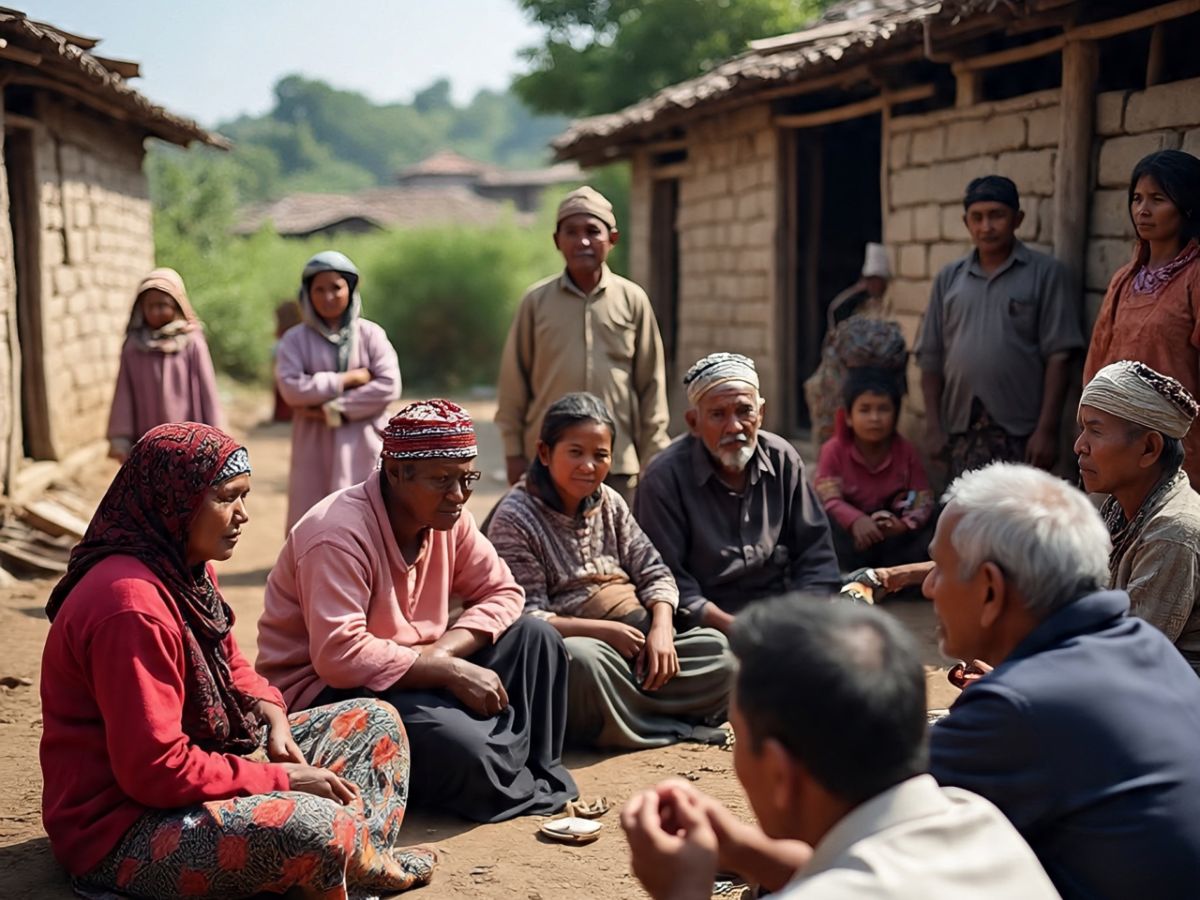

Asia’s economic strata are positively varied, but many countries across the continent wrestle with extreme poverty. In 2025, Asia’s poorest nations were faced with many hurdles, including war, political instability, weak infrastructure, and little carryover resources. Below is a further examination of the economic condition of Asia’s poorest countries as measured by GDP per capita (PPP).
Afghanistan: A Country in Crisis
Afghanistan is the weakest state in Asia, with a per capita GDP of less than $2000. After decades of war and political strife, most of Afghanistan’s physical infrastructure has been destroyed, many citizens have no industrial or agricultural employment, and the country is almost entirely dependent on humanitarian assistance. A large segment of the population is living in miserable conditions and unemployment, and unable to access any basic services.
Yemen: A Country at War and Food Insecurity
Yemen’s economic disaster has resulted from years of conflict and humanitarian crisis. Yemen is on par with Afghanistan with a per capita GDP of less than $600 a year. Millions are confronted with food shortages, a wrecked health system, and a disintegrating economy.
North Korea: A Country at War, Isolation and Scarcity
North Korea experiences extreme economic hardship from self-imposed isolation, and a highly authoritarian state culture with strong control of its population. The citizens of North Korea live with a chronic short fall of food and market access to very limited private enterprises resulting in per capita GDP well below $2000. The situation remains unclear as reliable information is often hard to obtain.
Syria: A Country in Crisis
Syria has been crippled by civil war leading to a destruction of the economy and millions of displaced people. GDP per capita is among the lowest in Asia. Bombed out infrastructure, mass displacement and an unclear political future make for little or no prospects for rebuilding the economy.
Timor-Leste and Nepal: Development Challenges
Timor-Leste and Nepal still struggle with under-industrialisation, high rates of unemployment, and environmental catastrophe. Limited development relies heavily upon agriculture and remittances, which leaves significant populations vulnerable to poverty.
Myanmar and Tajikistan: Political and Structural Obstacles
The mixed levels of development in Myanmar continue to face obstacles from military unrest, sanctions, and ethnic conflict; Tajikistan is a landlocked country in Central Asia which remains under-developed with reliance on remittances and infrastructure problems not allowing broad-based development.
Pakistan and Cambodia: Development Low Point
While both Pakistan and Cambodia have large populations and urbanization, low levels of disease, poverty, and unemployment, instability, and reliance on a limited number of export industries limit GDP per capita. Millions can not access education, healthcare, and sustainable livelihoods.
Reasons for Economic Problems
The poverty found in Asia’s poorest countries is a mix of violence, political instability, rural remoteness, lack of education, and poor health systems. Each of these countries has unique causes of limited economic growth, but the way forward is to improve peace, infrastructure, governance, and access to education.
Despite these challenges, both international and local efforts are continuing to focus on recovery, stability, and poverty alleviation—important first steps toward a better economic future for millions of people in Asia.
This article is based on available GDP (PPP) data and general economic indicators. Rankings and figures may change over time. The content is for informational purposes only and should not be taken as financial or investment advice.
Vani Verma is a content writer with over 2 years of experience in lifestyle, entertainment, health and digital media. She has a knack for creating engaging and research-driven content that resonates with readers, blending creativity with clarity. Passionate about media trends, culture, and storytelling, she strives to craft content that informs, inspires, and connects.




