

Indonesia has been marred by a wave of widespread protests that began in the last week of August and quickly turned violent, leaving at least seven people dead and hundreds injured, according to foreign media reports. The unrest, which started in the capital city Jakarta, soon spread to multiple cities across the country, including Makassar, Yogyakarta and Bandung.
Why Did the Protests Start?
The protests were initially triggered by public outrage over a housing allowance given to all 580 members of Indonesia’s House of Representatives, The Associated Press reported. Reports suggest the allowance pays each lawmaker 50 million rupiah (around $3,075) on monthly basis, which is nearly 10 times Jakarta’s minimum wage. This perk was introduced last year, and many Indonesians see it as excessive, especially amid rising cost of living, an increase in taxes, and high unemployment rates.
Additionally, protesters — especially student groups including Gejayan Memanggil — have also voiced frustration against what they called “corrupt elites” and government policies allegedly favouring conglomerates and the military, including concerns about the growing role of the military in civilian affairs under President Prabowo Subianto, who assumed the top role less than a year ago.
How Did the Protests Escalate?
The violence intensified after the death of 21-year-old delivery driver Affan Kurniawan, per AP. Video footage circulating online showed an armoured police vehicle, operated by the elite Mobile Brigade unit, running over Kurniawan during a protest in Jakarta. Witnesses, meanwhile, told the news agency that the vehicle sped through the crowd after hitting him, and did not stop at all.
In Makassar on Sulawesi island, protesters reportedly set fire to a local parliament building, trapping several people and killing three. Another man was beaten to death by a mob who mistakenly thought he was an intelligence officer. In Yogyakarta, a university student died in clashes between demonstrators and riot police.
Government buildings, police stations, and public transport infrastructure were also targetted, with Jakarta’s governor Pramono Anung estimating losses of 55 billion rupiah $3.3 million) and stating that at least 700 people had been injured in recent incidents of violence.
Government Response: Crackdown and Concessions
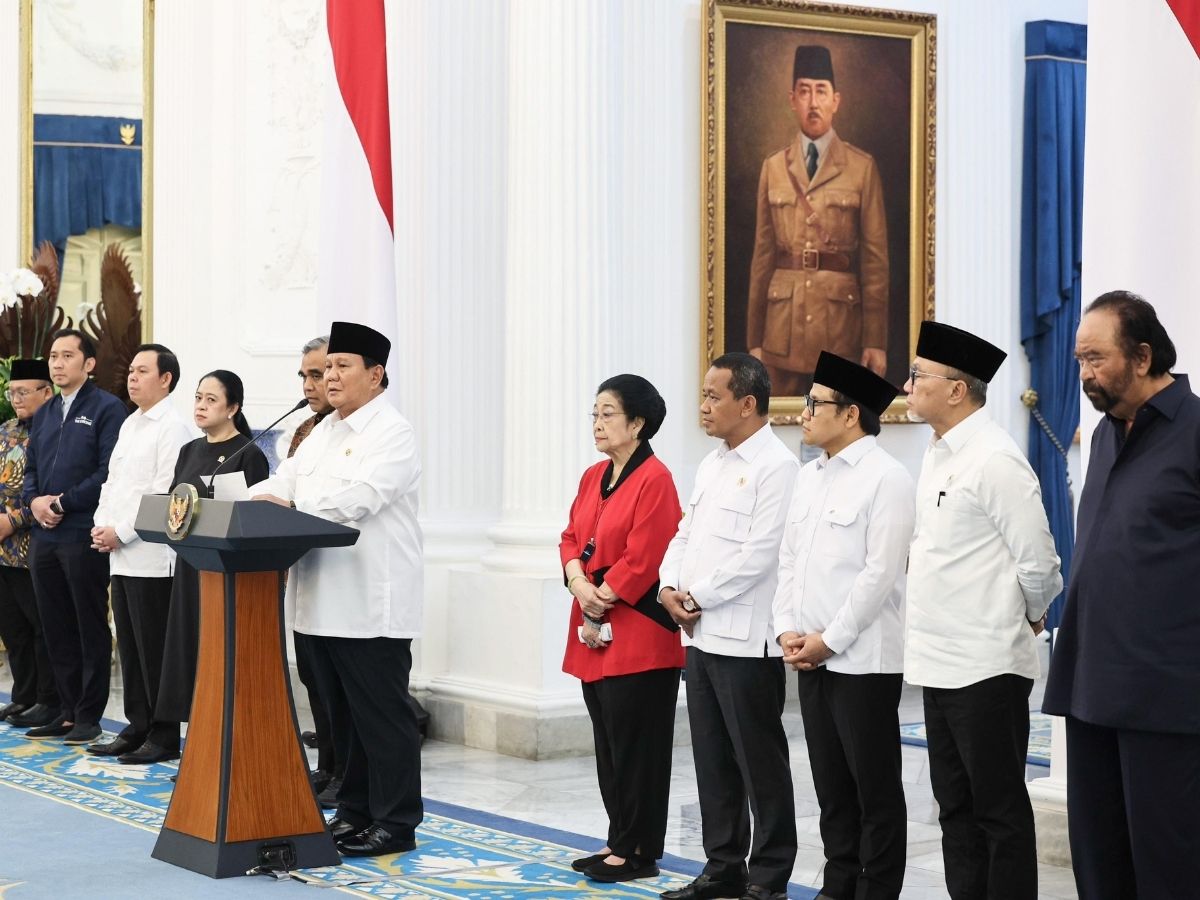
President Prabowo Subianto cancelled a high-profile trip to China, and ordered security forces to take a firm stance against “unlawful acts, even leading to treason and terrorism,” instructing police and military to act decisively against destruction, looting and violence. “To the police and the military, I have ordered them to take action as firm as possible against the destruction of public facilities, looting at homes of individuals and economic centers, according to the laws,” Subianto was quoted as saying.
He also made rare concessions by announcing cuts to lawmakers’ perks including the contentious housing allowance, and suspending overseas trips for parliament members. He promised a thorough and transparent investigation into Kurniawan’s death, while revealing that seven officers were under investigation. The president also vowed financial support for the driver’s family.
Accusing rioters of trying to destabilise the country, Prabowo also reportedly said, “Their intention is not to voice aspirations, but to cause chaos, disrupt people’s lives, and sabotage national development.” On Monday, he announced promotions for 40 police officers injured during the unrest, recognising their sacrifices.
International Agencies Call For Investigation
The United Nations, meanwhile, has called for an investigation into reports of disproportionate force used by security forces. Human Rights Watch criticised the government’s response, calling it “irresponsible” and warning about the history of excessive force against protesters. Foreign embassies including those from the US, Australia, France, and Canada have issued travel warnings, advising their citizens to avoid protest areas.
Social media platforms, especially TikTok voluntarily suspended their live streaming features to maintain safe online spaces amid rising tensions.




