
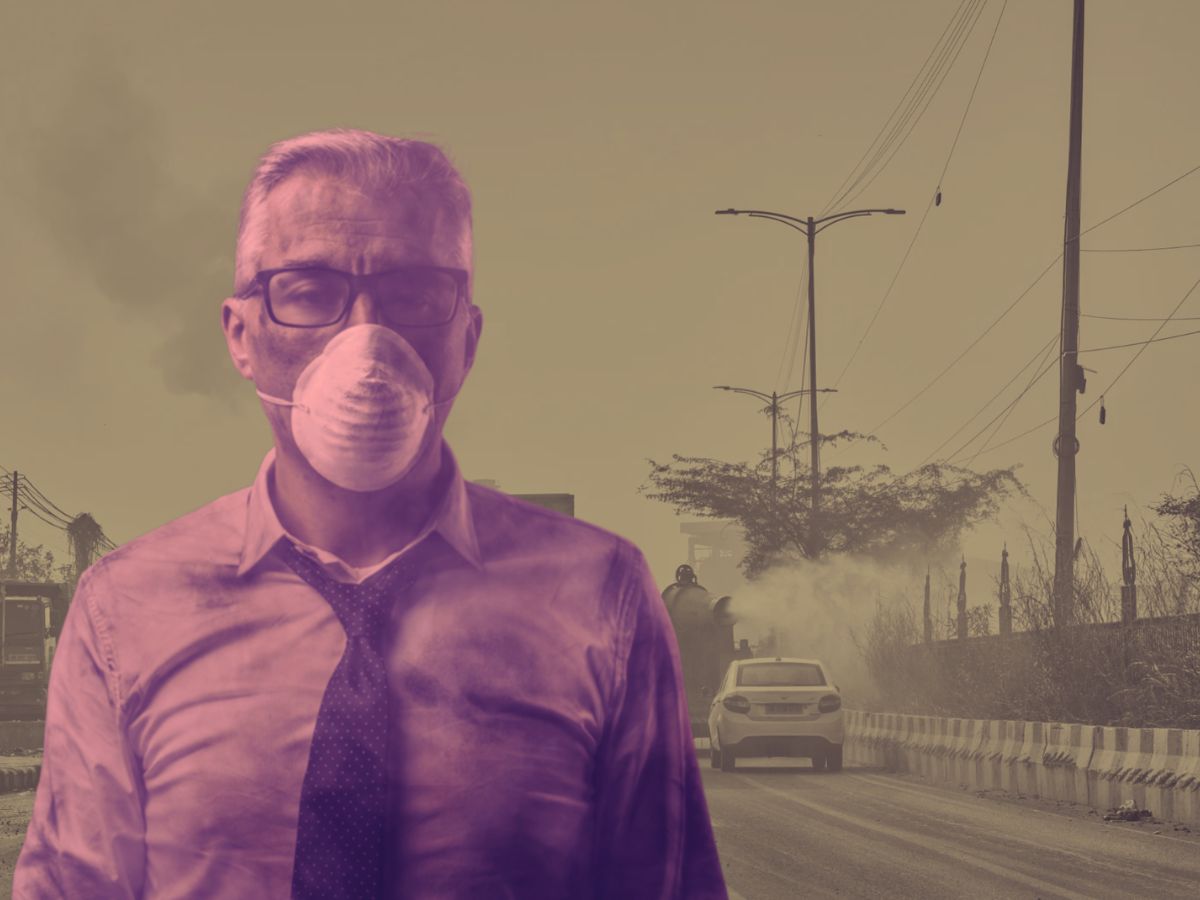

Delhi’s pollution emergency has entered a new woeful stage with a new scientific study that found microplastics to be pervasive in the air of the national capital. The analysis was conducted by researchers from the Indian Institute of Tropical Meteorology (IITM), Pune, and Savitribai Phule Pune University, identified microplastics in all three that together define particulate matter: PM10, PM2.5, and PM1 while sampling at Lodhi Road in winter and then summer of 2024.
The results are alarming. In the summer, adults living in the national capital breathe almost double the amount of microplastic particles in pace with the PM categories in winter. The mean value of 10.7 summer values jumped to 21.1 in winter, a significant 97% increase.
The most commonly identified type of plastic was polyethylene terephthalate (PET) (most notably in bottles, food packaging and clothes), with 41% of samples containing some PET, followed by polyethylene (27%), polyester (18%), polystyrene (9%), and PVC (5%).
In terms of microplastic types, the vast majority were fragments (66%), followed by fibres (32%). The microplastics were mostly either white, transparent or blue in colour; generally between 1 to 1000 micrometres in size. The researchers also conducted chemical analysis of the particles and identified residues of zinc, silicon and aluminium on their surfaces, increasing the likelihood of toxicity.
Influence on wind patterns and Delhi pollution
The study also emphasised that wind patterns affected the transport of microplastics, with transport likely preferring a northwest direction suggesting a regional contribution to the microplastic burden in Delhi. They attributed them to a high human population density, open dumping of plastic waste, as well as intense urban human activity in Delhi.
Although no safe level has yet been established for the inhalation of microplastics, the research cautioned of serious health effects. Prolonged exposure could initiate respiratory diseases like bronchitis, pneumonia, lung inflammation, and even cancer. Although adults showed greater rates of intake from outdoor activities and larger lung capacities, the relative health threat is more problematic for children and infants due to their immature respiratory systems and increased breathing rates in proportion to body weight.
NewsX survey on Smoking and Air pollution
Against this somber backdrop, a NewsX survey of 30 Delhi-NCR citizens has provided some perspective on how deteriorating pollution is affecting smoking habits in the capital. The sampling of 16 women and 14 men saw 24 of the respondents falling in the 18-30 age group, five within the 31-40 age group, and one below the age of 18. Fourteen of them reported themselves as active smokers while 16 reported that they were not. Of the smokers, 15 said they smoked less than five cigarettes a day, five smoked more than five, and two smoked more than ten.
Surprisingly, 11 of the participants reported they had quit smoking influenced by the deterioration of pollution levels in Delhi, nine were not influenced, and ten were unsure. In a smaller, follow-up poll of 12 participants showed a mixed picture, with seven indicating pollution does not impact their smoking, while five indicated they smoke less due to the pollution. Most participants (11/12) noted they are aware of the combined health risks of smoking and low air quality.
Concerning affects on Health
The half of the participants that answered the question told that they had both smoking and air pollution problems with respiratory issues like shortness of breath and coughing. Asked to describe future plans, four of them said that they were actively making an attempt to quit, another four were ready to cut down smoking if air quality degraded, three remained uncertain, and one was not ready to quit. Views were divided on whether the government should impose stricter smoking bans in polluted cities, with six in support and six against.
The dual findings the scientific study on microplastics and the NewsX survey on smoking shows how Delhi’s environmental crisis is not only contaminating the air with invisible pollutants but also shaping personal health choices and behaviors. As the global production of plastic has gone up from 1.5 million tonnes in the 1950s to more than 400 million tonnes in 2022, experts reveals that the microplastic threat is no longer limited to oceans and land but has now extended to human lungs, necessitating immediate policy response and better waste management.
ALSO READ: Stress, Toxic Air Pollution And Cigarettes: Inside Delhi Youth’s Smoking Mindset
Sofia Babu Chacko is a journalist with over five years of experience reporting on Indian politics, crime, human rights, gender issues, and stories about marginalized communities. She believes journalism plays a crucial role in amplifying unheard voices and bringing attention to issues that truly matter. Sofia has contributed articles to The New Indian Express, Youth Ki Awaaz, and Maktoob Media. She is also a recipient of the 2025 Laadli Media Awards for gender sensitivity. Beyond the newsroom, she is a music enthusiast who enjoys singing. Connect with Sofia on X: https://x.com/SBCism




