
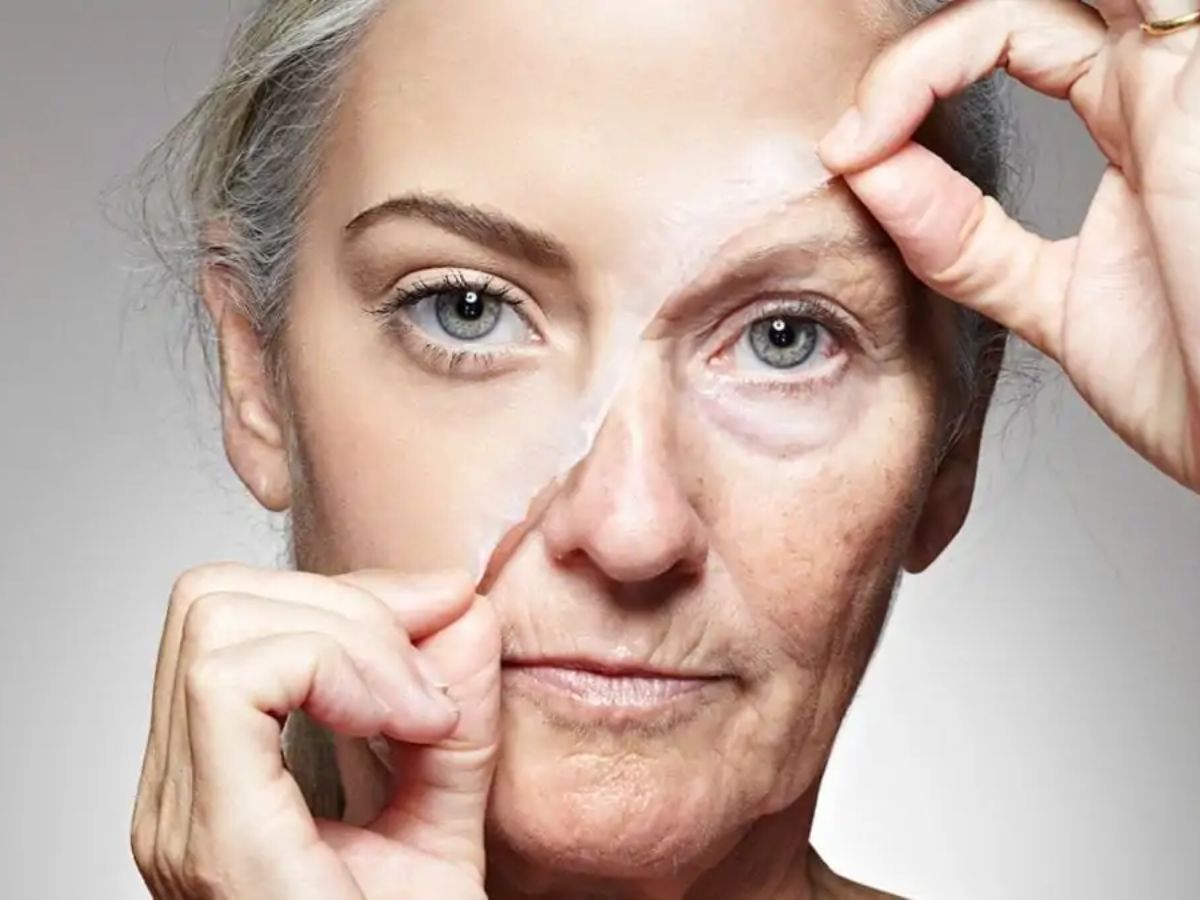

It is a Monday morning. You find yourself waking up not having felt like you slept a lot. Your phone continues buzzing, emails are coming in and there is a meeting in one hour. You see in the mirror dull skin, under eye shadows, and the exhausted look that does not correspond to the number on your birth certificate. You ask yourself, is it a bad day or is my aging faster than it really should?
Here’s a breakthrough – founder of Imemyself – Sunil Kumar Jain shares insights on the same.
As we are more familiar with this moment than we may realise. Although we might tend to blame age in the form of wrinkles and fatigue on simply being older, stress may be a much bigger factor in aging faster than we can imagine.
The Biology of Stress-Driven Aging
Cortisol, also known as the hormone of fight or flight, is released into your body when you are stressed. It helps in the short term, helping one to react to their challenges within seconds. However, when levels of cortisol remain at elevated levels over weeks or months, the consequences begin to be reflected, internally and physically.
- Oxidative Stress
Excess production of free radicals is caused when we have constant stress; this refers to a group of unstable molecules that cause damage to cells. This will cause breakdown of collagen, decrease in skin elasticity and adversely affect the brain. - Telomere Shortening
Telomeres are shielding adornments on the end of chromosomes. They naturally age and when people are subjected to stress, this process is hastened. Shortened telomeres correlate with early wrinkles, loss of immunity and more cases of aged diseases. - Inflammation Overload
Constant spikes of cortisol lead to inflammation, which can make the tissues weak, cause healing to take longer or even interfere with sleep patterns.
Signs Stress May Be Aging You
Stress-aging can not be measured in a test but some signs to note are as follows:
Persistent fatigue or “brain fog
Fine lines or dryness appearing earlier than expected
Trouble sleeping or feeling rested
Slower recovery from illness or exercise
Mood swings or frequent irritability
How to Slow Down Stress-Induced Aging
The aim should not be to get rid of stress, it is to learn how to deal with it in a manner that does not create excessive wear and tear in your body.
1. Build Mind–Body Balance
Yoga, meditation or deep breathing reduces the level of cortisol and relaxes the nervous system. It can help even with 10 minutes a day.
2. Protect Your Sleep
When you sleep deeply, your body will be able to repair the cells, balance the hormones and boost the level of immunity. Focus on 7 to 9 hours of continuous rest in a place without distractions and with no light.
3. Eat for Cellular Health
Free radicals are neutralized by antioxidant foodstuffs such as berries, leafy vegetables, nuts and green tea. Fish, flaxseeds or walnut omega-3s turn down inflammation.
4. Support with Targeted Nutrition
Although restorative sleep, balanced nutrition, and frequent forms of stress management are the pillars of healthy aging, some carefully crafted nutraceuticals may also supplement these initiatives by provisioning cellular repair/resilience.
iMeMyself’s WellAging Capsules – A specifically formulated supplement that combines NMN to bring energy to the cells and antioxidants, including curcumin and fisetin to combat oxidative stress and hyaluronic acid to hydrate the skin when the body focused on resisting stress.
● Upcharveda Anti-Aging Capsules by Upcharveda —An Ayurvedic-Based product sold on the market with an antioxidant-rich ingredient formula claiming to offer youthful-looking skin and much more. Although we can not find much about the full ingredients, it is touted as an anti-aging supplement that promotes cellular health and vitality.
● Miduty Stop Aging Capsules — Affiliated with Miduty, this high-performance supplement can provide 600 mg of liposomal Trans-Resveratrol (99 percent purity), green tea extract, quercetin, bitter orange extract and pomegranate extract with each dose. More absorbent in nature, it tackles oxidative stress, skin elasticity and general cellular health.
Skin and hair are the most vulnerable organs of your body to the stress hormones. Due to chronic stress, the skin barrier becomes damaged, it becomes dry, it breaks out, and it heals more slowly. It may hasten the loss of hair as well as dullness in hair. Alternatively, lowering the stress may be physically evident, fairer complexion, softer features and, generally, better vitality.
Simple Daily Rituals for Stress Resilience
Begin your day with slow, deep breaths or a short gratitude list.
Take “movement breaks” every hour to improve circulation.
Swap one caffeinated drink for a calming herbal tea.
End the day with a no-screen wind-down routine dim lights, light stretching, or reading.
We can never stop stress, but we can stop stressful aging. Slowing the clock is something that you can do by knowing the effect it has on your body and employing deliberate changes in your lifestyle. Sleep, proper nutrition, healthy exercise, and specific supplements can keep you active, healthy, and lively – both physically and emotionally.
(NOTE: This article is for informational purposes only and should not be considered a substitute for professional medical advice, diagnosis, or treatment. Always consult a qualified healthcare provider before starting any new supplement, medication, or lifestyle change.)
Must Read:
Swastika Sruti is a Senior Sub Editor at NewsX Digital with 5 years of experience shaping stories that matter. She loves tracking politics- national and global trends, and never misses a chance to dig deeper into policies and developments. Passionate about what’s happening around us, she brings sharp insight and clarity to every piece she works on. When not curating news, she’s busy exploring what’s next in the world of public interest. You can reach her at [swastika.newsx@gmail.com]




