
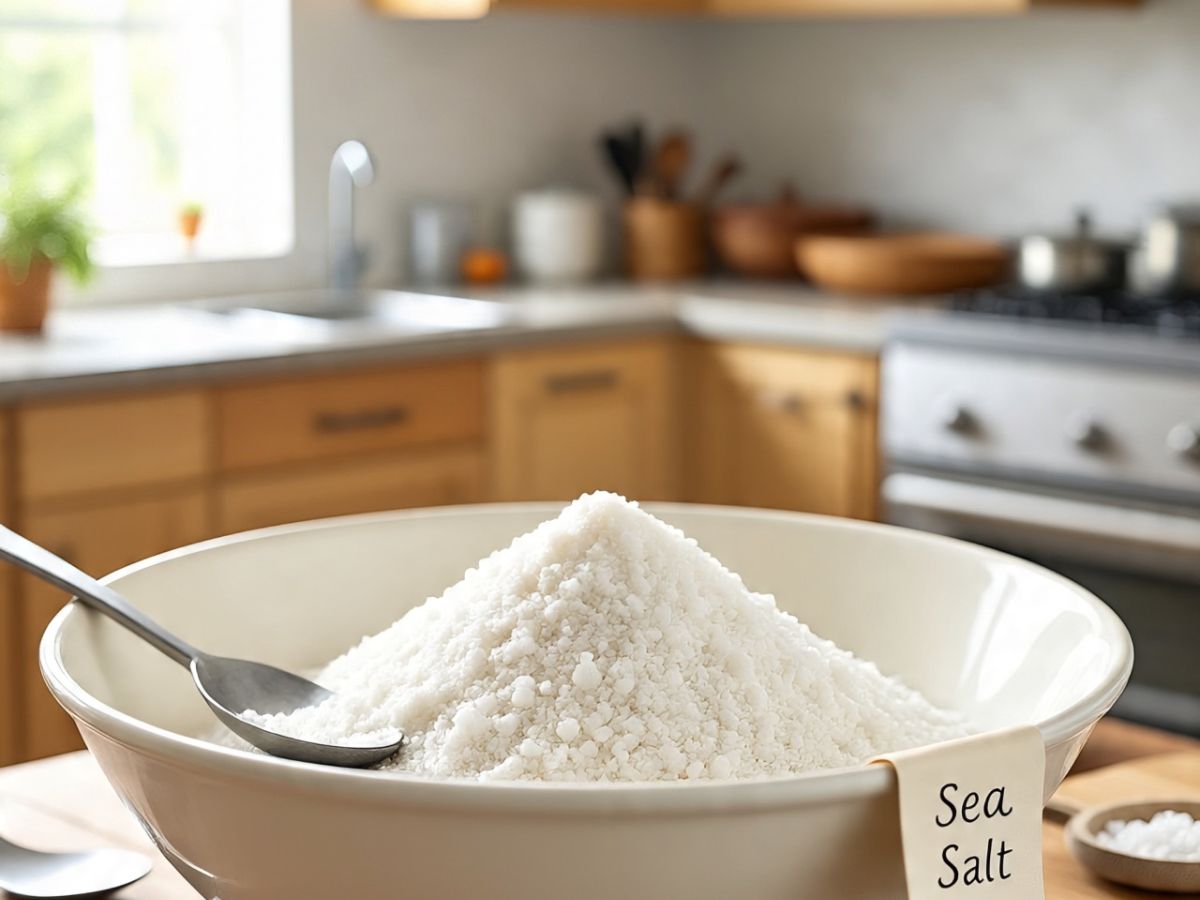

Salt is important for health, but the type, amount, and way we use it can drastically change both risk and benefit in daily cooking.
Benefits of Salt
Salt is a requirement for nerve function, regulating fluid balance, and muscle contraction. It improves flavour and preserves foods and is an important element to maintain proper functioning of the body as foods specifically add to our diet needs. Iodized salt is important in maintaining health because it reduces the risk of iodine deficiency (and the risk of thyroid issues). Specialty salts, such as Himalayan salt, Celtic salt, and rock salt, are considered “better” and are marketed to have trace minerals, such as magnesium and iron, which may add character to our nutrition and taste profile.
Risks of salt
Too much sodium can increase risk for high blood pressure, heart disease, stroke, and kidney issues. There is substantial sodium hidden in most processed foods and all restaurant food; it is easy to consume too much sodium. If non-iodized salt is used as the primary salt source, it could also lead to iodine deficiency and potential health problems. Even the “better” salts in respect of containing trace minerals, such as Celtic salt or Himalayan salt should be used in moderation because they still contain a considerable amount of sodium.
Choosing the Right Salt while Cooking
- Iodized Table Salt- Is good for everyday use; a great means of preventing iodine deficiency; dissolves well, so will impart flavor correctly.
- Kosher Salt- My preference for this salt is the feeling of it and its culinary usage. Kosher is non-iodized salt and can be used with food that is iodine heavy.
- Sea/Celtic Salt- I like Sea, or Celtic, salt as it has flavor and more trace minerals but Sea salt is usually not iodized and therefore, could be thought of as a finishing salt.
- Kala Namak (Black Salt) – This salt is often used as a flavoring agent in South Asian cuisine and has iron and sulfur compounds, just no iodine.
- Rock Salt- I am going to define these types of salt as traditional salt. Traditional salt will contain some trace minerals, sodium and the same intake limitations.
Practical
- Adults are recommended at this time to eat less than 6g salt (< 1 teaspoon) daily.
- Use iodine table salt and complementary salts to diversify flavor and nutritional diversity.
- Specialty salts are there to enhance flavor, they cannot be used to supplement total dietary iodine.
The choice of cooking salt must consider flavour and mineral content and your health requirements- even though iodized table salt remains the best option for everyday culinary use, specialty salts can make cooking interesting in moderation.
Disclaimer: Dietary needs differ. This overview provides general information and should not replace professional medical or nutritional advice for individual health requirements.
Vani Verma is a content writer with over 2 years of experience in lifestyle, entertainment, health and digital media. She has a knack for creating engaging and research-driven content that resonates with readers, blending creativity with clarity. Passionate about media trends, culture, and storytelling, she strives to craft content that informs, inspires, and connects.




