

Emotional and Behavioral Impact
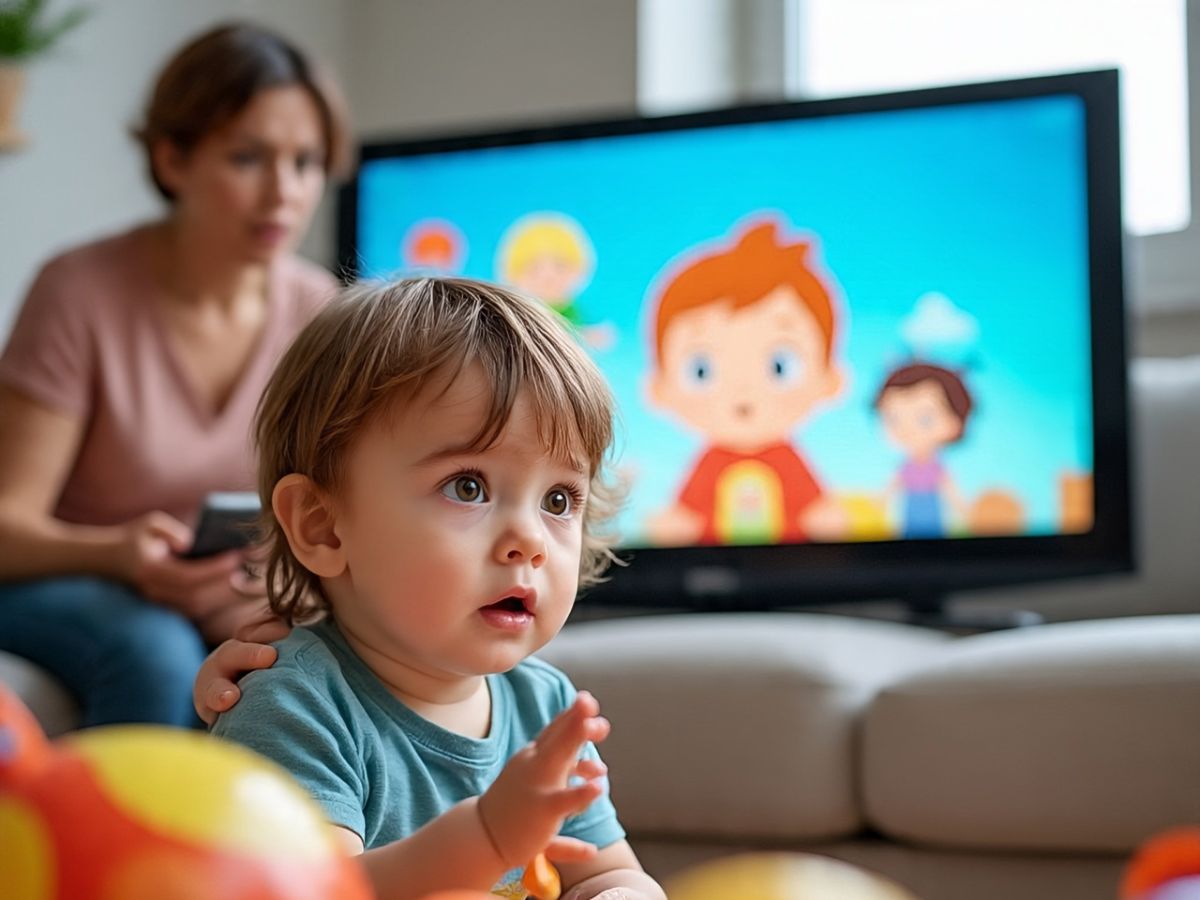
Excessive screen-time through cartoons are correlated to increase emotional and behavioral problems in children. Studies have shown increased screen exposure leads to increased anxiety, aggression, and low self-esteem, perpetuating a cycle of screen time to cope with issues created by excessive screen time. The fast-paced stimulation that is usually present in many cartoons can worsen hypersensitivity and restlessness, and often creates defiant behavior when limited screen-time is placed on children.
Cognitive and Language Development
Prolonged screen exposure can cause delays in language development and may effect cognitive functioning such as attention span and memory. This happens because screens often take the place of vital back-and-forth children’s interactions which are necessary to encourage these skills during early childhood development. A cartoon watching excess can also shorten children’s cognitive process, resulting in negatively affected attention and performance during essential academic and social tasks.
Physical Health Concerns
Too much screen time is often correlated to disturbed sleep due to the blue light emitted while engaging with their screens; this does not promote restful sleep and leads to fatigue. Excessive screen time reduces physical activity in children, and contributes to childhood obesity. In addition to limiting healthy activity, the prolonged use of screens and cartoons contributes to a number of concerning and ailments related to eyesight, especially as a disproportionate number of children will experience digital eye-strain, nonspecific headache, and dry-eye associated with extended hours of screens, and the gradual increase of near-sightedness amongst children.
The Effects of Addiction plus Sensory Overload:
Cartoons often provide bright colors, active movement, and stimulating sounds that provides us with addictive dopamine rushes sending digital hypnosis to our brains. Screens can be one of the main sources of dopamine satisfaction and stimulation, dulling the interest to play physically and think about the real world. Children become dependent on screen time and create anxiety or tantrum behavior as a reaction when deprived.
Benefits versus Risks:
While cartoons can enhance creativity and language, too much of anything is detrimental. Parents are encouraged to not only monitor and limit screen time but to introduce and promote interactive play as well as the difference between reality and fantasy. Increasing screen-free time and facilitating nature experiences allows children to develop in better emotional, cognitve and physical ways.
This article is for informational purposes. Every child reacts differently to screen time. Always seek guidance from pediatric or child development experts for personalized advice on managing your child’s digital exposure.
Vani Verma is a content writer with over 2 years of experience in lifestyle, entertainment, health and digital media. She has a knack for creating engaging and research-driven content that resonates with readers, blending creativity with clarity. Passionate about media trends, culture, and storytelling, she strives to craft content that informs, inspires, and connects.




