
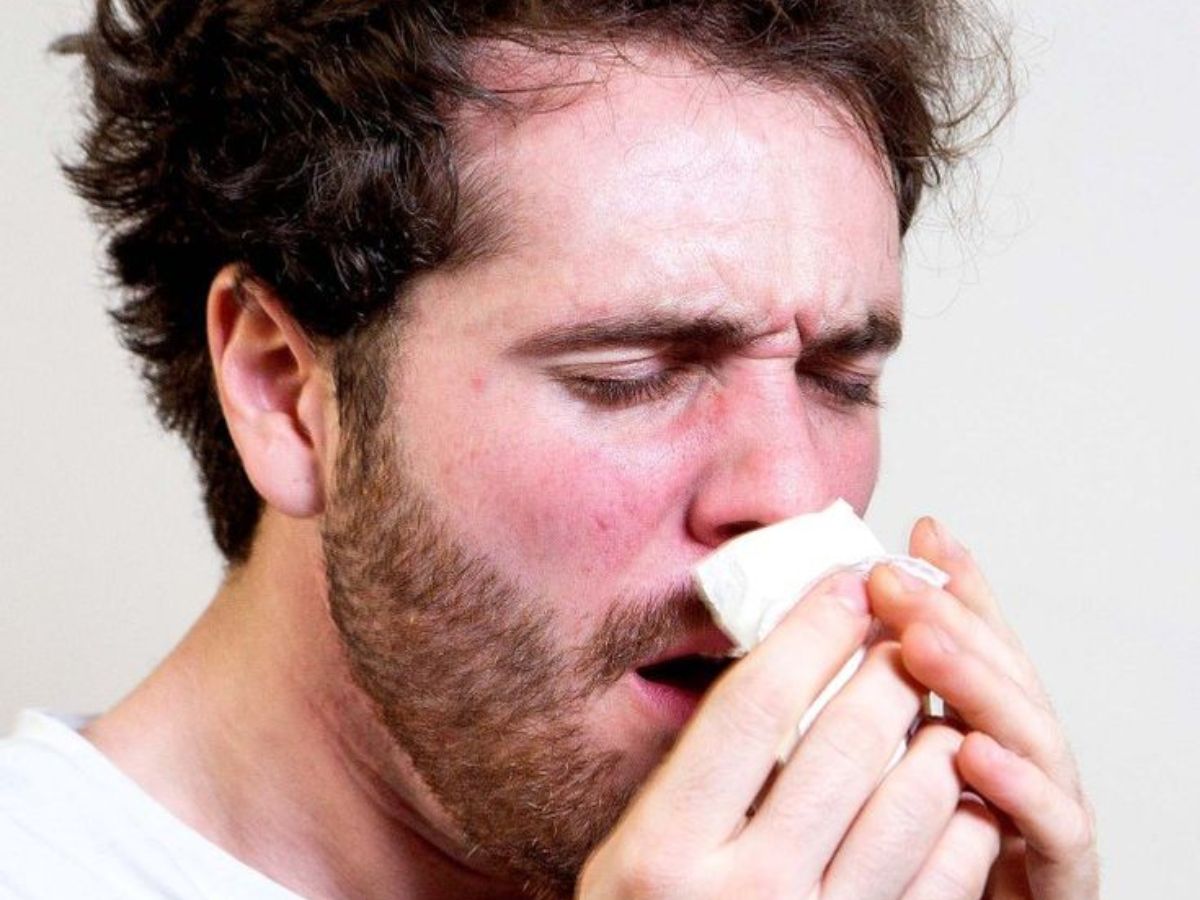

When the weather becomes cold to warm, or warm to cold, with temperatures rising and falling, with unseasonal humid swings, or unseasonable dryness, the rest of us have to contend with an unseen enemy, seasonal allergies. Those dubious or uncertain climates not only affect our style sense, they radically alter the number of allergens like pollen, mold spores, and dust mites present in the air. It is a whirlpool of air that transports the pollen grains miles, and the warm shower and sun are just the right conditions for mold growth.
Our bodies, in tune with nature, fight the invasion of the air borne enemies with a symphony of sneezing, watery eyes, and clogged air tubes while trying to expel the invaders. To realize how these subtle changes in weather encourage mutual allergens is the secret to being ready and reducing suffering at nature’s whims.
Common Allergen Triggers in Transitioning Weather
The availability and spread of various allergens are directly impacted by the unpredictability of unpredictable weather patterns, which turns otherwise typical environmental conditions into powerful inducers. Pollen is arguably the most well-known of these. Although ragweed and tree pollen are most well-known in the late summer and spring, respectively, unexpectedly warm temperatures can cause plants to release pollen at odd times. The bites become strong indoor allergens and cause symptoms like sneezing, congestion, and asthma attacks because the homes are closed more frequently.
Effective Prevention Methods
Allergies to weather must be addressed beforehand by reducing exposure while at the same time endeavoring to preserve your body’s immune system. Begin by researching the pollen and mold counts of the area on weather websites or in telephone apps and try to stay indoors when it occurs, especially if it occurs with a wind. To reduce your exposure to allergies, keep your car’s windows and doors closed. To limit exposure to indoor allergens such as dog dander and dust mites, put HEPA filters on your air conditioner and vacuum. Moisten your home surfaces and clean them every now and then to disallow mold spores from developing.
Personal hygiene is also important. Spores of mold can readily enter our lungs from the air. Usually introduced during unpleasant transitional weather, dust mites, which are tiny insects that thrive in warm, humid environments, ang outside, and change clothes as well. Dust mites can be gotten rid of through frequent washing of bedding in hot water.
For any other frequent and violent symptoms, it’s recommended to see an allergist. They are able to recognize particular causes and prescribe particular medication or immunotherapy (allergy shots) and other medication to develop long-term tolerance.
Also Read: 6 Healthy Green Vegetables Perfect for the Monsoon Season for Better Health and Immunity




