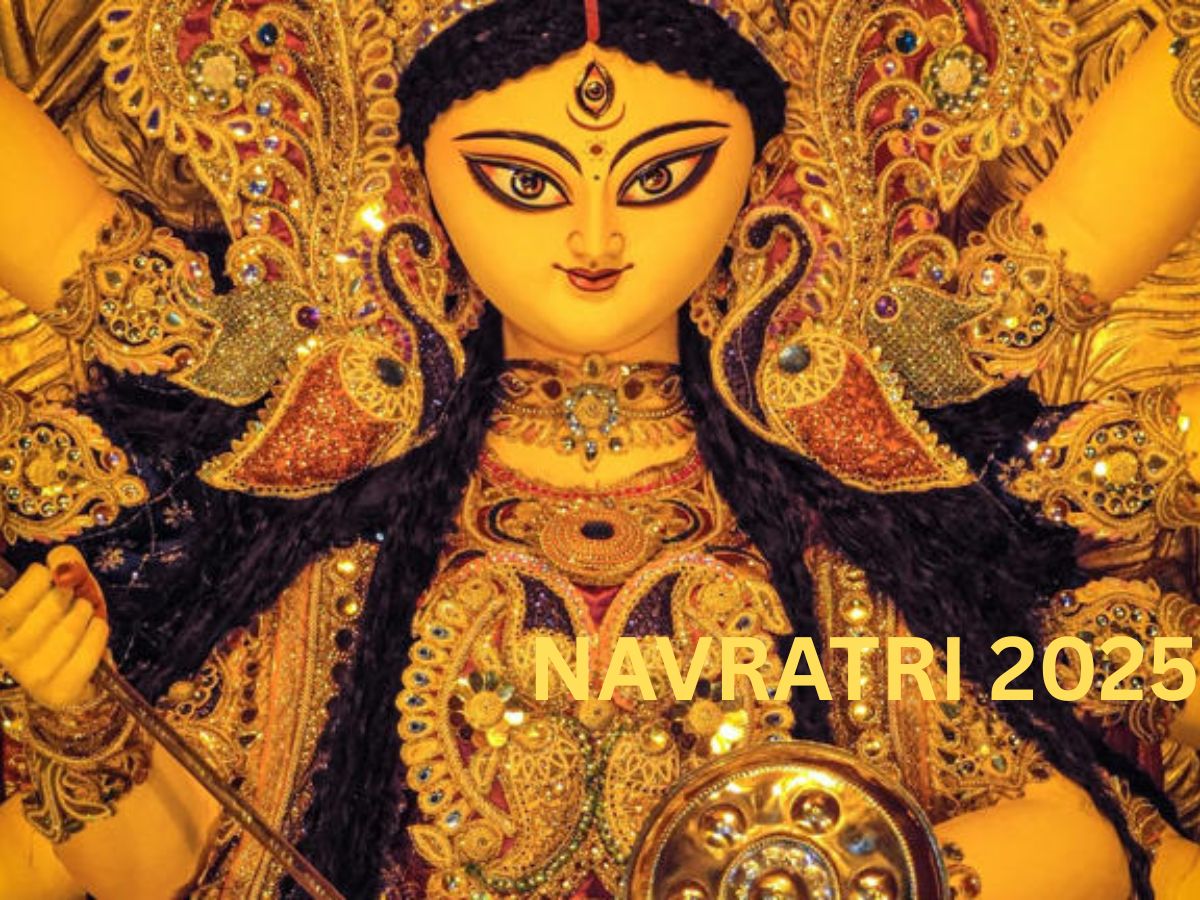

Navratri is one of the India’s most joyous and vibrant festivals, celebrated with immense devotion, music, dance, and colorful rituals. Spanning nine days, it honors the nine forms of Goddess Durga, each symbolizing different virtues and energies. One of the most fascinating traditions of Navratri is the practice of wearing specific colors each day, which is believed to attract positive energy, enhance spiritual well-being, and invoke the Goddess’ blessings. These colors are not chosen randomly. Each hue carries a unique significance, reflecting emotions, qualities, and cosmic energies that resonate with human life. From purity and peace to courage, love, and compassion, the festival’s spectrum of colors transforms celebration into a visual and spiritual feast, making Navratri a truly immersive and cultural experience.
Day 1- White: The festival begins with white, a color symbolizing purity, peace, and serenity. Wearing white is believed to cleanse the mind, promote clarity, and create a calm spiritual environment.
Day 2-Red: Red represents power, strength, and passion. Devotees wear red to evoke courage, determination, and protective energy of Goddess Durga.
Day 3-Blue: Blue symbolizes wisdom, devotion, and calmness. It encourages inner reflection, discipline, and a deep spiritual connection with the Divine.
Day 4-Yellow: Yellow is the color of happiness, optimism, and energy. Wearing yellow is believed to boost positivity, enthusiasm, and mental clarity.
Day 5-Green: Green signifies growth, harmony, and prosperity. It promotes balance, peace of mind, and attracts good fortune.
Day 6-Green: Green represents stability, neutrality, and emotional balance. Wearing grey helps maintain composure and focus, encouraging calmness during spiritual practices.
Day 7-Orange: Orange embodies courage, enthusiasm, and creativity. It inspires confidence, boldness, and motivation to achieve personal and spiritual goals.
Day 8-Peacock Green: Peacock Green symbolizes vitality, prosperity, and harmony. It reflects abundance and encourages devotees to embrace life with energy and positivity.
Day 9-Pink: Pink represents love, compassion, and kindness. Wearing pink on the final day is believed to strengthen relationships, promote emotional warmth, and conclude the festival with joy and harmony.
Following this sequence of colors during Navratri is more than a festive tradition. It is a way to honor the Goddess, align oneself with spiritual energy, and add vibrancy to celebrations. Each color carries profound meaning, making the nine days of Navratri visually stunning and spiritually enriching. From purity and peace on the first day to love and compassion on the last, the color of Navratri beautifully reflects the essence of devotion and celebration.