
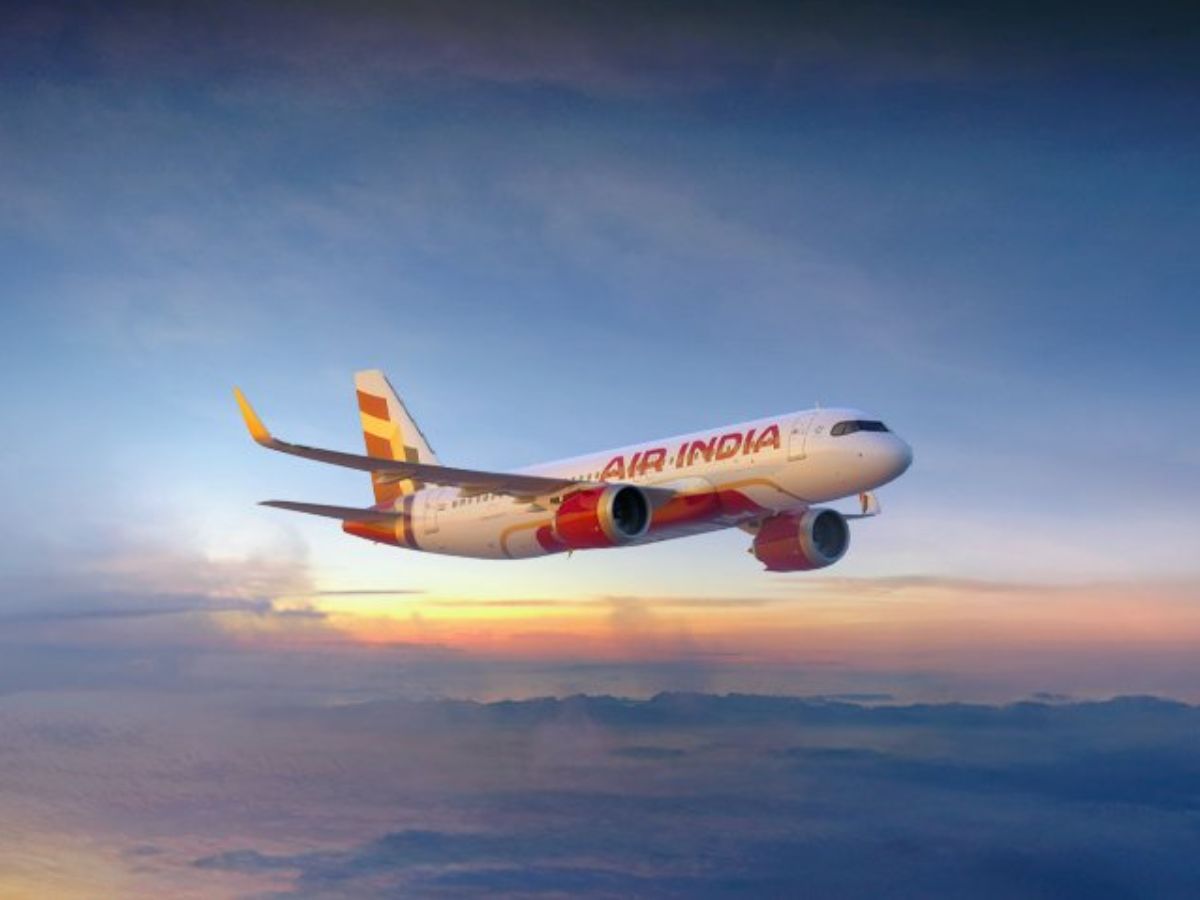

Amid ongoing unrest in Nepal, Indian airlines, including Air India and IndiGo, have issued a travel advisory for special flights from Delhi to Kathmandu and back to help stranded passengers. The special flights will be in operation for two days from Sept 11 to Sept 12.
In a post on X, Air India informed that it is operating special flights today and tomorrow from Delhi to Kathmandu and back to help passengers who have been stranded due to the recent developments in Nepal.
IMPORTANT UPDATE:
Air India is operating special flights today and tomorrow from Delhi to Kathmandu and back to help passengers who have been stranded due to the recent developments in Nepal. Our scheduled operations will also resume from tomorrow.
We thank the government and…
— Air India (@airindia) September 10, 2025
IndiGo also took to X, writing that our priority is to reunite you with your loved ones. Starting September 11, IndiGo shall resume 04 daily scheduled flights to and from Kathmandu.
Travel Advisory
In these extraordinary times in #Kathmandu, our priority is to reunite you with your loved ones.
Starting September 11, IndiGo shall resume 04 daily scheduled flights to and from Kathmandu.
In addition, subject to regulatory approvals, two special relief…
— IndiGo (@IndiGo6E) September 10, 2025
The Ministry of External Affairs (MEA) on Wednesday advised Indian citizens to avoid non-essential travel to Nepal.
Border Districts Remain On High Alert Amid Violent Protest In Nepal, Helpline Numbers Issued
Amid ongoing tensions in Nepal, the border districts’ police have been issued notices to remain on high alert. As protests against the ban on social media, though the ban has been lifted, turned violent in Nepal’s Kathmandu, protestors intensified their demonstration against the government’s alleged corruption, targeting the residences of political leaders and ministers.
However, after two days of unrest in the Himalayan country, protestors, mostly Gen Zs, proposed former Chief Justice Sushila Karki to lead the Interim Government.
India shares a 1,770 km-long border with Nepal, passing through five Indian states – Sikkim, West Bengal, Bihar, Uttar Pradesh, and Uttarakhand. Traditionally, the border has been open, and people from both countries travel without a visa or a passport.
The security was heightened following violent protests in Nepal, where protesters stormed and torched the Parliament house, the President’s office, and the residences of top leaders. At least 30 people were killed and more than 500 were injured in police firing and clashes.
Meanwhile, former King Gyanendra expressed displeasure at the widespread arson and offered condolences to the families of the dead.
Key Developments in the Nepal Protests
Protests broke out against the ban on social media. It intensified after the ban was lifted partially. In view of the protest, curfews have been imposed in several areas.
As per reports, security forces opened fire on demonstrators in Kathmandu. During the protest, at least 29 people were killed.
Reports mention the vandalisation of a jail that led to the release of over 13,500 prisoners.
The Nepalese Army was deployed, enforcing curfews and restoring some semblance of order.
PM KP Sharma Oli officially stepped down. A committee will investigate the protests, and victims will receive financial assistance.
Protestors proposed that former Chief Justice Sushila Karki lead the Interim Government.
ALSO READ: Border Districts Remain on High Alert Amid Violent Protests in Nepal, Helpline Numbers Issued




