
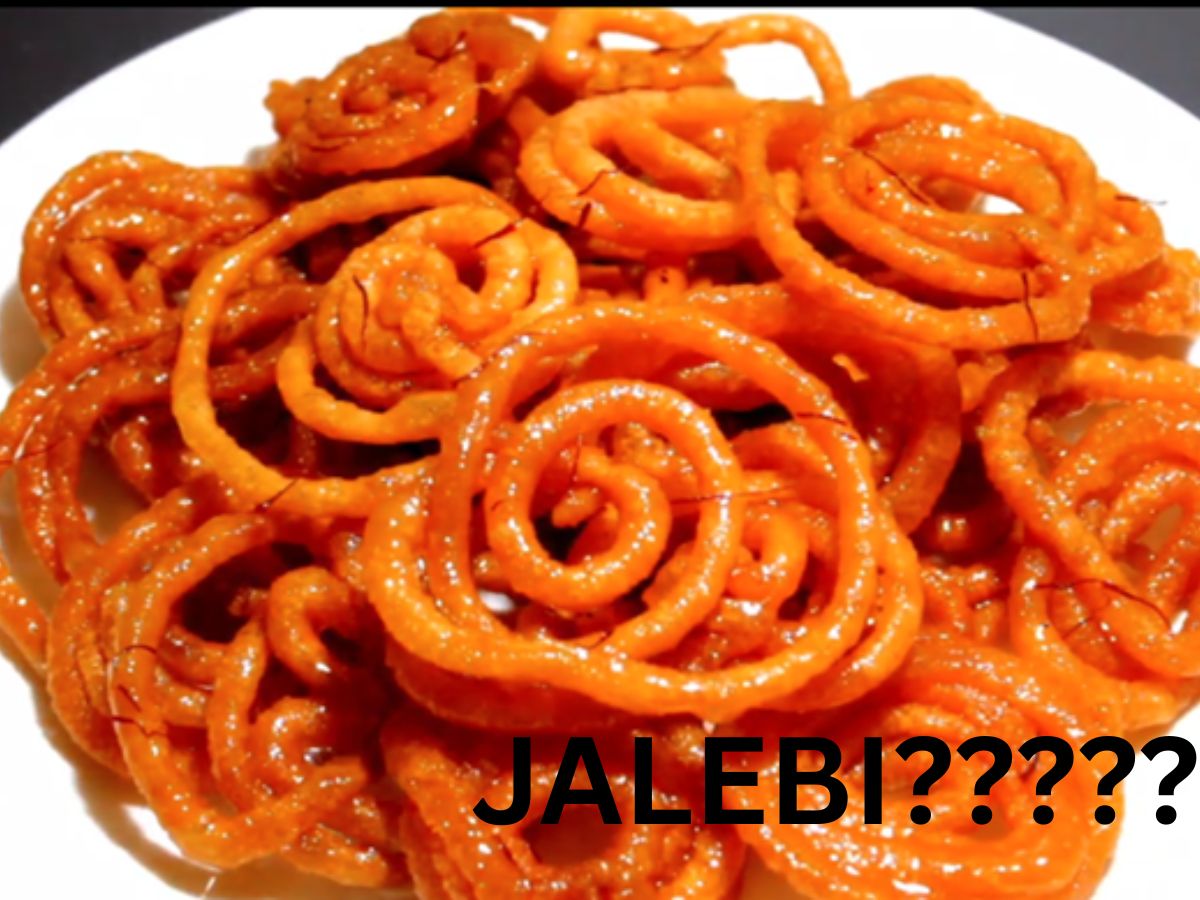

Jalebi is a beloved sweet treat, famous for its Golden spirals, crispy texture, and syrupy sweetness. Popularly across the South Asian Middle East, it is often enjoyed during festivals, weddings, and special occasions. Many people wonder what jalebi is called in English, since it resembles familiar Western desserts but has its own unique identity. While there are translations such as “sweet pretzel” or “funnel cake,” none truly capture its authentic taste and cultural significance. In fact, jalebi has carved its place in global food vocabulary under its original name.
The English Of Jalebi
In English, Jalebi is most commonly referred to as ” Sweet Pretzel” or “Funnel Cake”. However, these names are only approximations, as there is no exact English equivalent that captures its unique identity. The word “Jalebi” itself has been widely adopted into English, much like “samosa” or “chai.” So, while translations exist, most English speakers simply use the term “JALEBI.”
Origin and Meaning
The word “Jalebi” is believed to have come from Arabic word Zalabiya or the Persian Zolbiya, both referring to a similar deep-fried sweet soaked in sugar syrup. Over centuries, the recipe traveled across regions, eventually becoming the jalebi we know in India, Pakistan, Nepal, and Bangladesh.
Why “Sweet Pretzel” or “Funnel Cake” ?
Jalebi is sometimes compared to a pretzel because of its twisted, spiral like shape. In fairs and carnivals in the west, funnel cakes are made by pouring batter in circular motions into hot oil, then topping it with sugar. Jalebi shares a similar cooking style, which is why “funnel cake” is sometimes used as its English name. But neither term perfectly describes jalebi’s syrup-soaked crunch and tangy sweetness.
A Cultural Icon
Jalebi is more than just a dessert- it’s a cultural symbol. It is served during festivals like Diwali, Eid, and weddings, often enjoyed with hot milk or samosas. In many parts of India, jalebi is a common breakfast item, showing how deeply it is woven into tradition.
Jalebi In Modern English Usage
Today, just like “Biryani” or “Paneer”, the word jalebi has found its place in English dictionaries and global food culture. Restaurants and food enthusiasts prefer keeping its original name, as translations fail to capture its authenticity.
Conclusion
Jalebi, is sometimes described as a sweet pretzel or funnel cake, but no translation truly captures its essence. Its crispy, syrup-soaked spirals hold centuries of tradition and cultural value. Today, the world recognizes it best by its original name– jalebi– a word that carries both flavor and heritage. Whether enjoyed at festivals or everyday breakfasts, jalebi remains a timeless sweet that transcends borders while keeping its authentic identity intact.




