
How Eating Rice Every Day Can Affect Belly Fat: Facts You Should Know
Rice is a common food for billions of people and is often blamed for weight gain. However, the truth is that this superpower food is neither entirely good nor bad. It impacts your health and fat storage based on several factors, including portion size, type, and general dietary patterns.
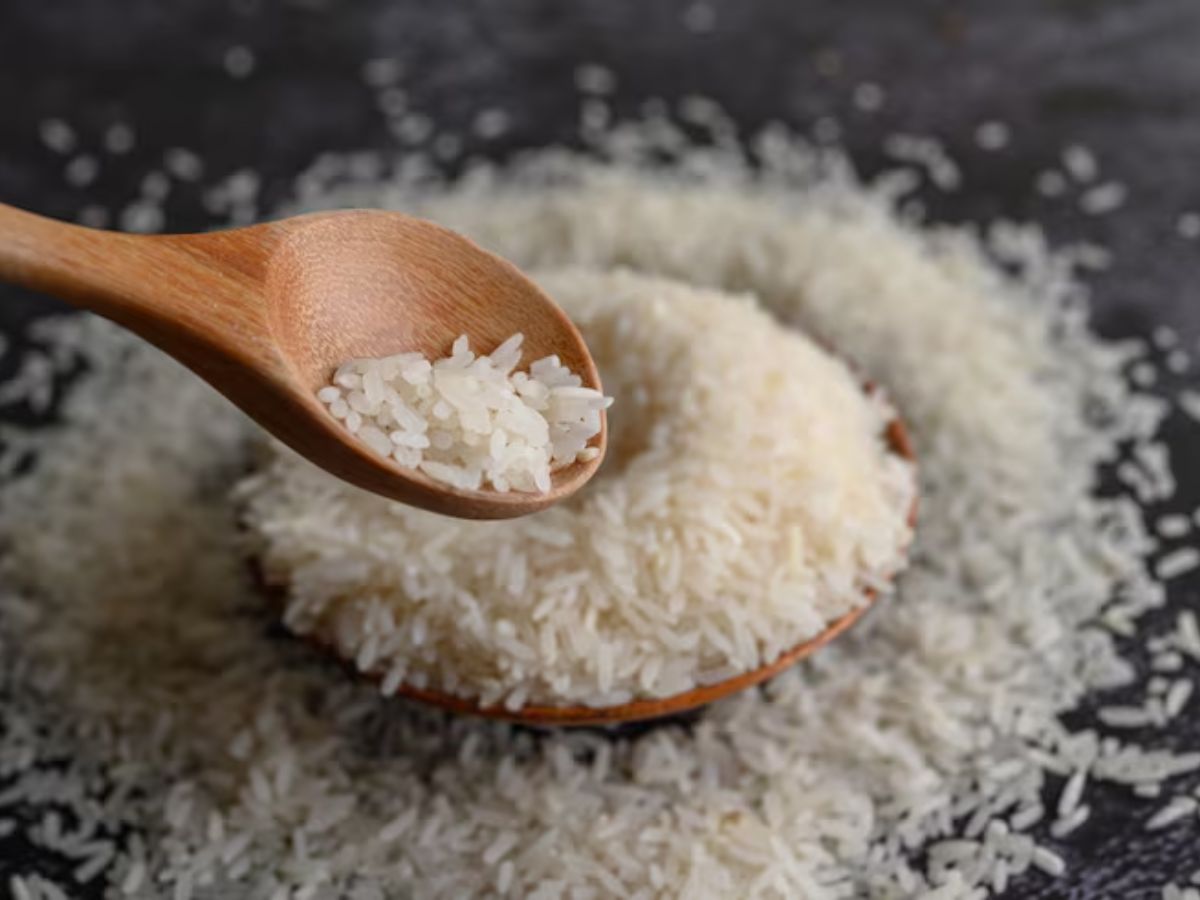
Caloric Intake and Portion Control
Caloric Intake and Portion Control: Rice is a calorie-dense food that contributes to weight gain if consumed in excess. It's important to control your portion while eating rice every day.
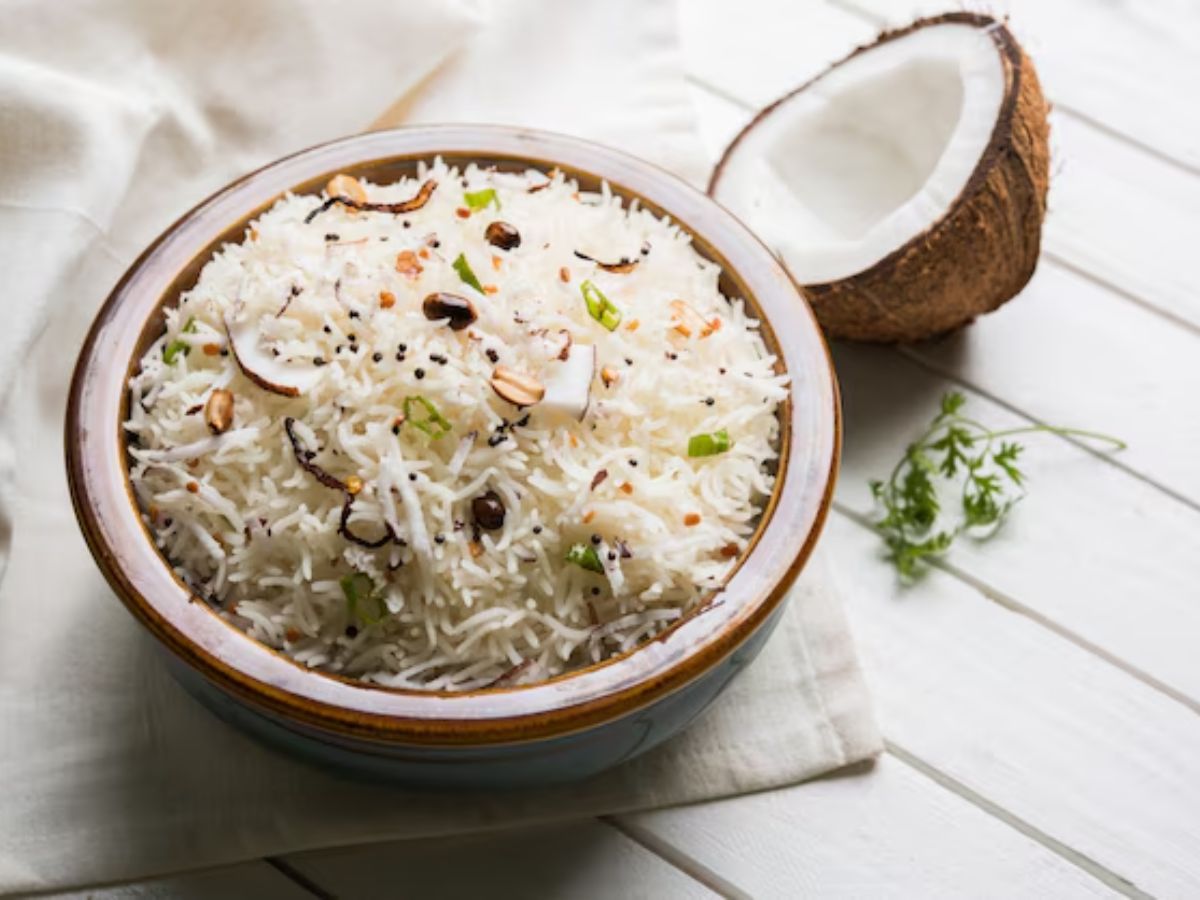
Lack of fiber
Lack of fiber: Rice is low in fiber, so it may disrupt digestion a little. Opt for brown rice, which has a high fiber content that promotes satiety, keeping you feeling fuller for longer.
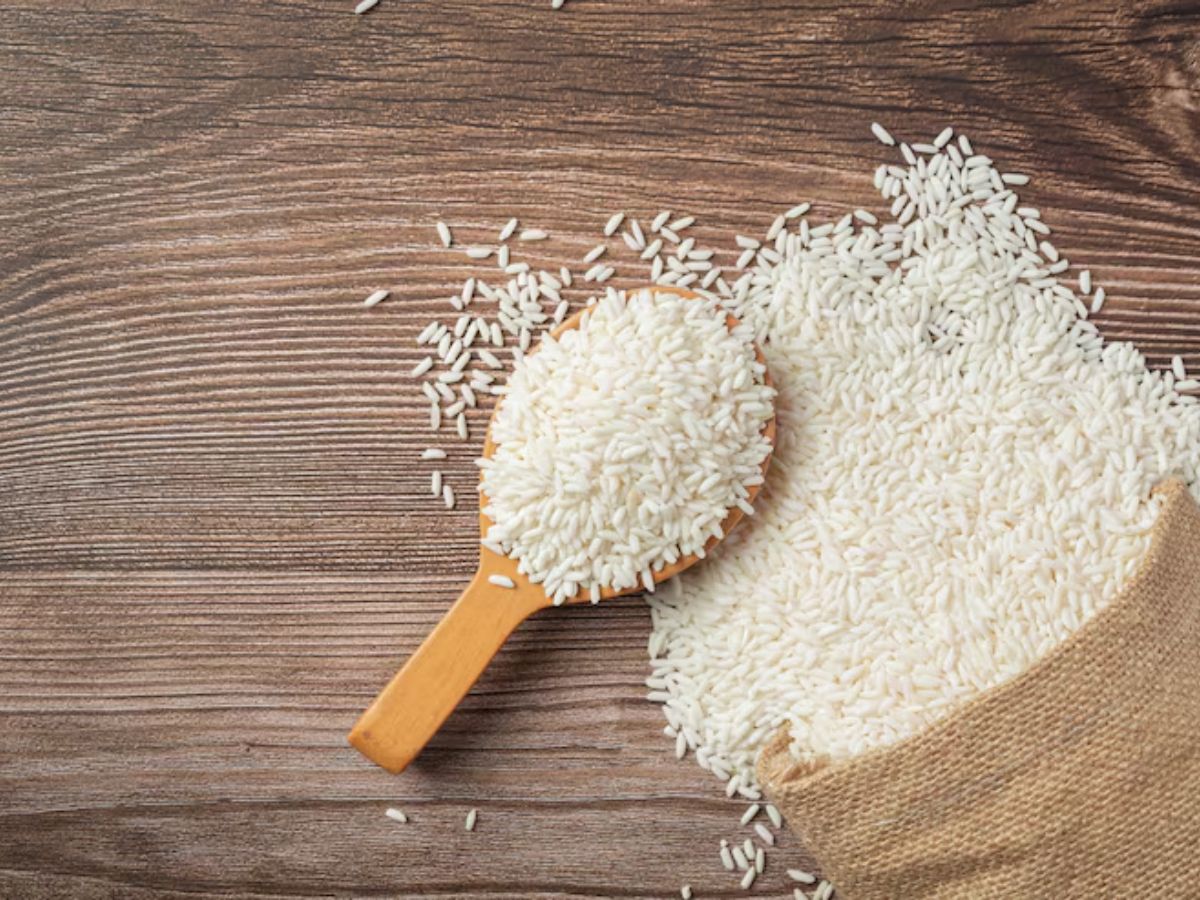
High Glycemic Index
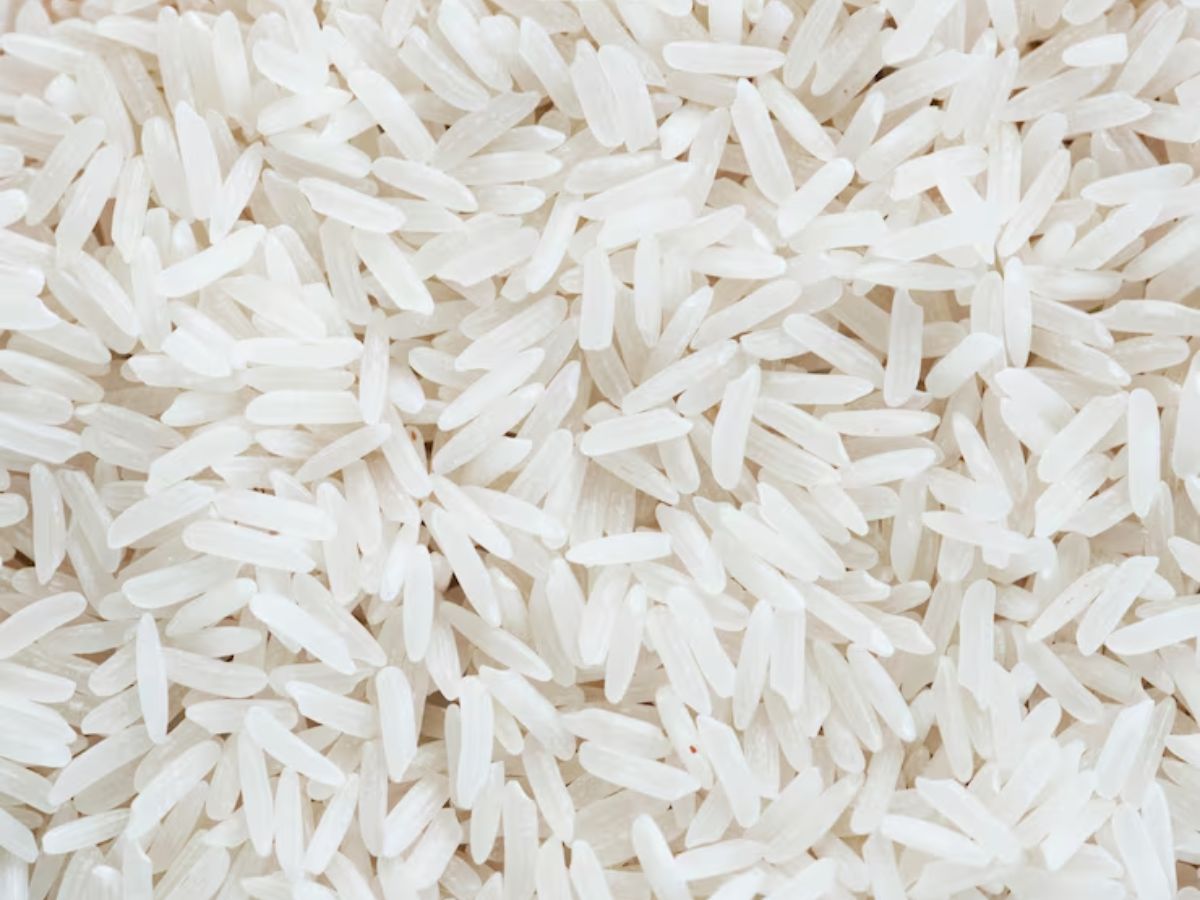
High Glycemic Index: White rice causes a rapid spike in blood sugar levels. Excess insulin production triggered the spike and promotes fat storage, particularly around the belly.
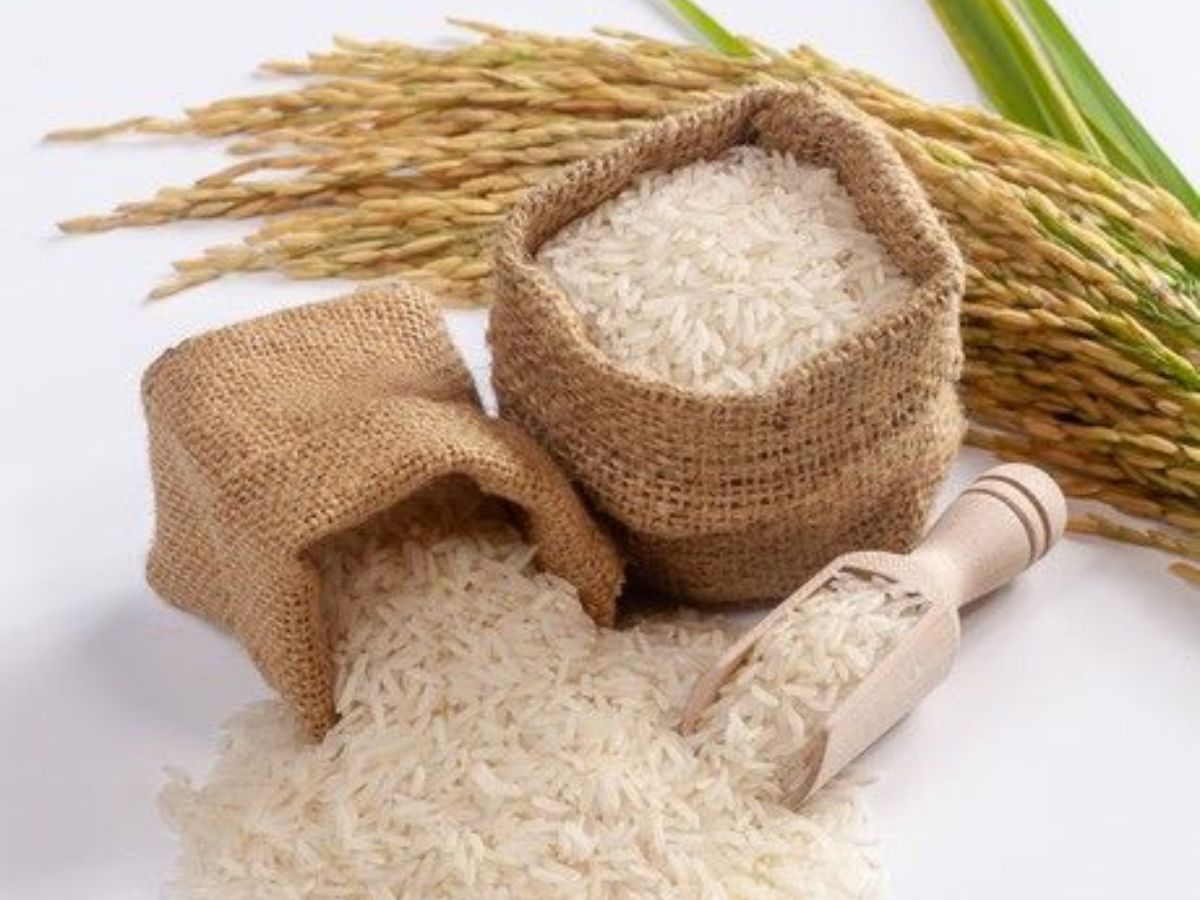
Refined Carbs
Refined Carbs: White rice has refined carbohydrates that can lead to increased hunger and cravings for sugary foods, further contributing to weight gain.
Timing Matters
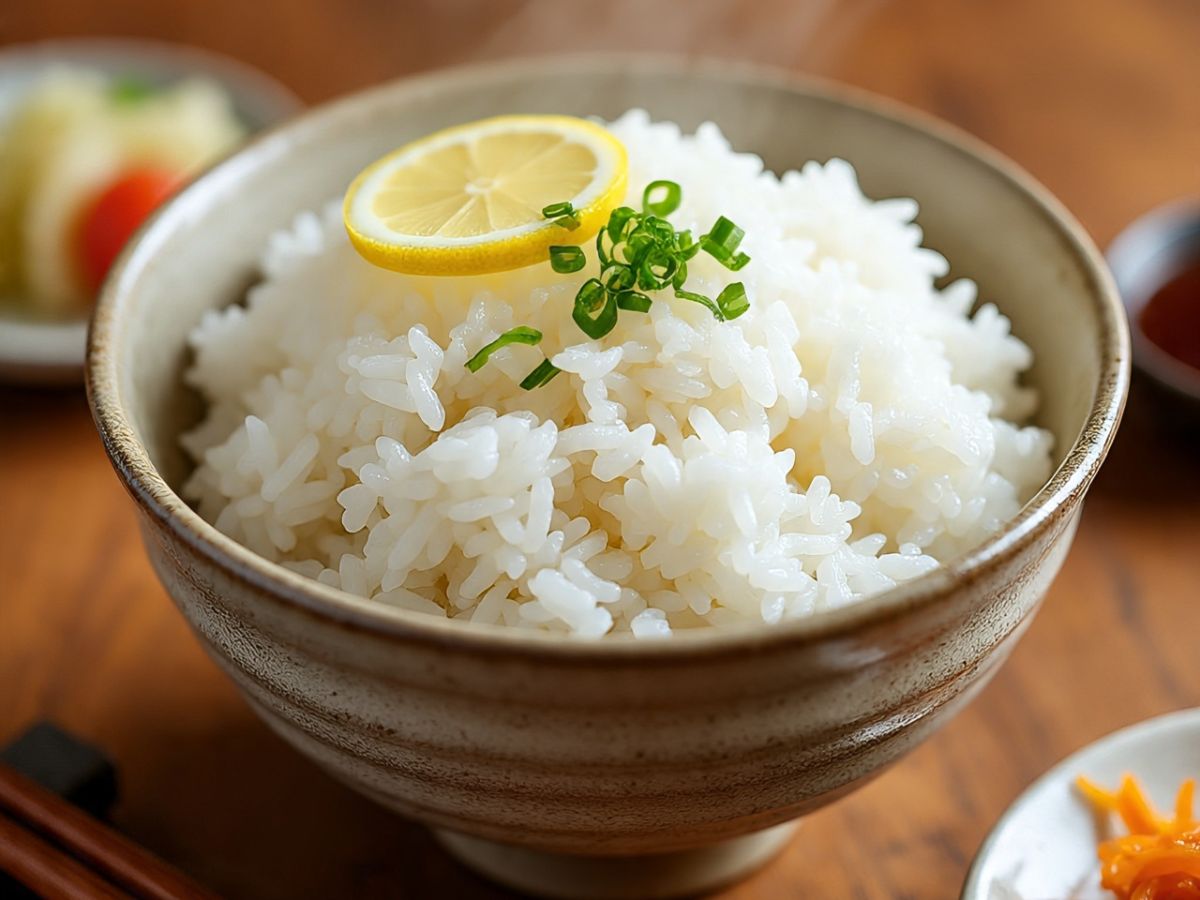
Timing Matters: Consider eating rice during the day, such as during lunch. Carbohydrates consumed during the day are more likely to be used as energy rather than stored as fat.
Sedentary Lifestyle Amplifies Effects
Sedentary Lifestyle Amplifies Effects: Eating rice is inherently bad when combined with a sedentary lifestyle. It accelerates the weight gain.

Disclaimer
Disclaimer: This content is intended solely for informational and educational purposes. It is compiled from publicly available sources, and NewsX has no direct association with the information provided.




