
The Hidden Protective Powers of Nimbu-Mirchi: In Pics
Across India, a common sight on doorways, vehicles, and storefronts is the nimbu-mirchi, one lemon pierced by seven green chillies, suspended by a thread. This object serves as a traditional apotropaic device, primarily intended to mitigate the effects of the so-called “evil eye” (buri nazar) and negative environmental influences.
The practice draws upon a blend of cultural beliefs, folk customs, and, to some extent, chemical logic. The acidic content of lemon and the capsaicin in chillies are thought, by some, to possess pest-repellent properties. Meanwhile, the ritualistic aspect addresses psychological needs for protection and renewal within communities. Regardless of the rationale; be it spiritual, practical, or both, the nimbu-mirchi persists as a widely adopted protective measure, integrated seamlessly into the daily life and visual landscape across diverse regions of India.
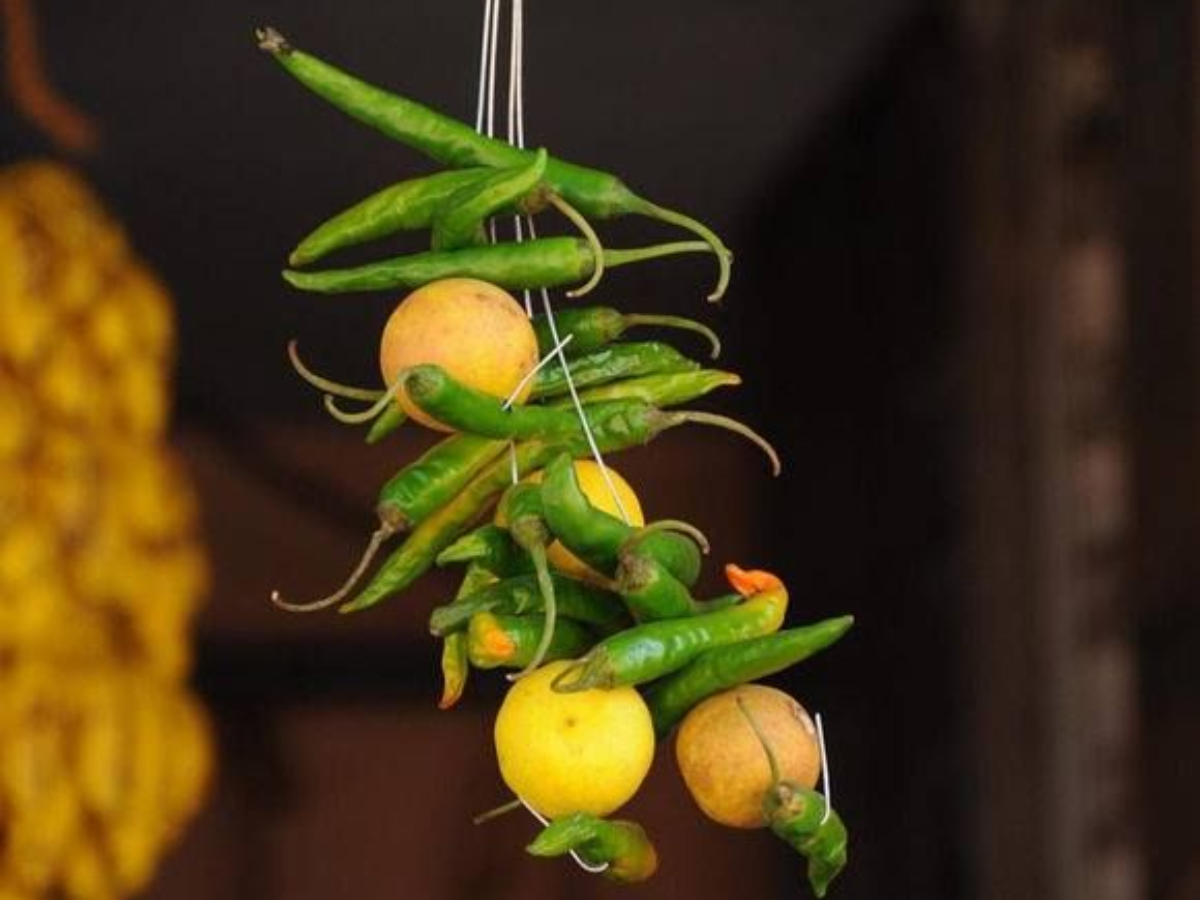
A Street Side Guardian
Hanging by a thread, but warding off evil for centuries. Seen outside homes, shops, and even autos; Nimbu-Mirchi is India’s age-old nazar protector.
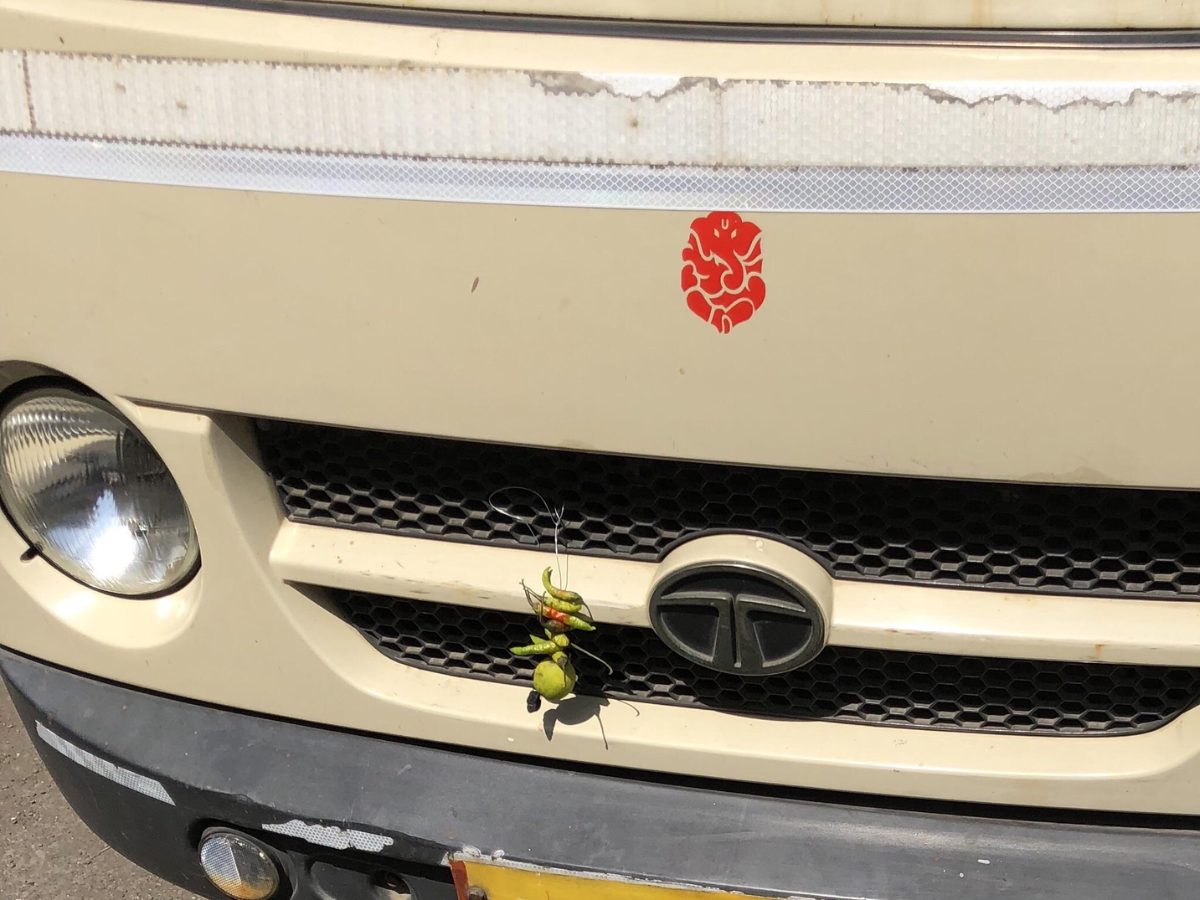
Ritual In Action
Every Saturday or Tuesday, a ritual begins: Lemon. Seven green chillies. Thread. A powerful shield against ‘buri nazar’ (evil eye).

Nimbu-Mirchi In Local Markets
Spiritual defence, sold fresh daily. Local vendors offer ready-made charms or ingredients to make your own protective totem.
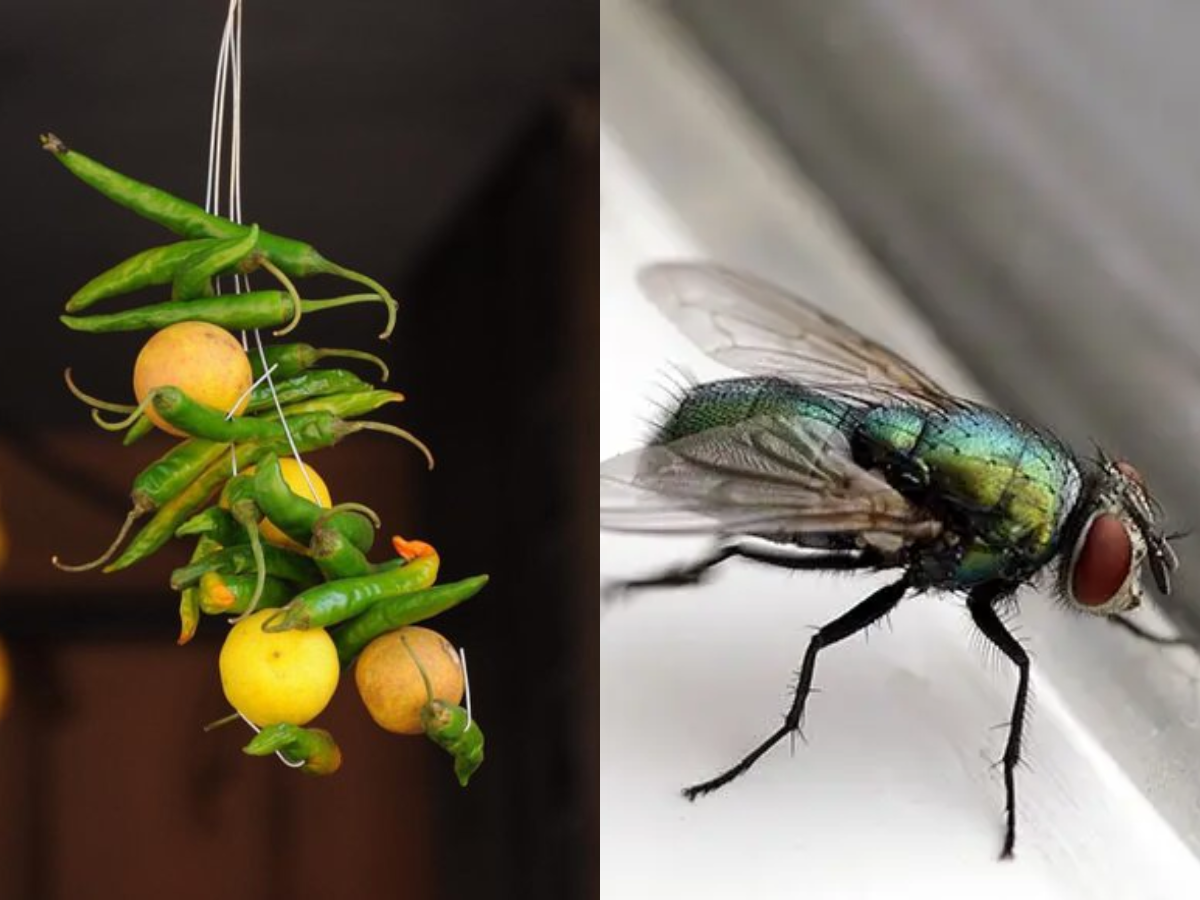
Science and Superstition
Superstition or science? Some believe it repels evil spirits; others say it's the natural sulphur compounds keeping flies and pests at bay.




