
Winter eating mistakes you’re making these millet recipes fix them
According to Dr. Deepshikha Sharma, switching to winter-friendly millets like bajra, jowar, ragi, amaranth, foxtail, and little millet helps improve digestion, immunity, energy levels, and overall winter health naturally.
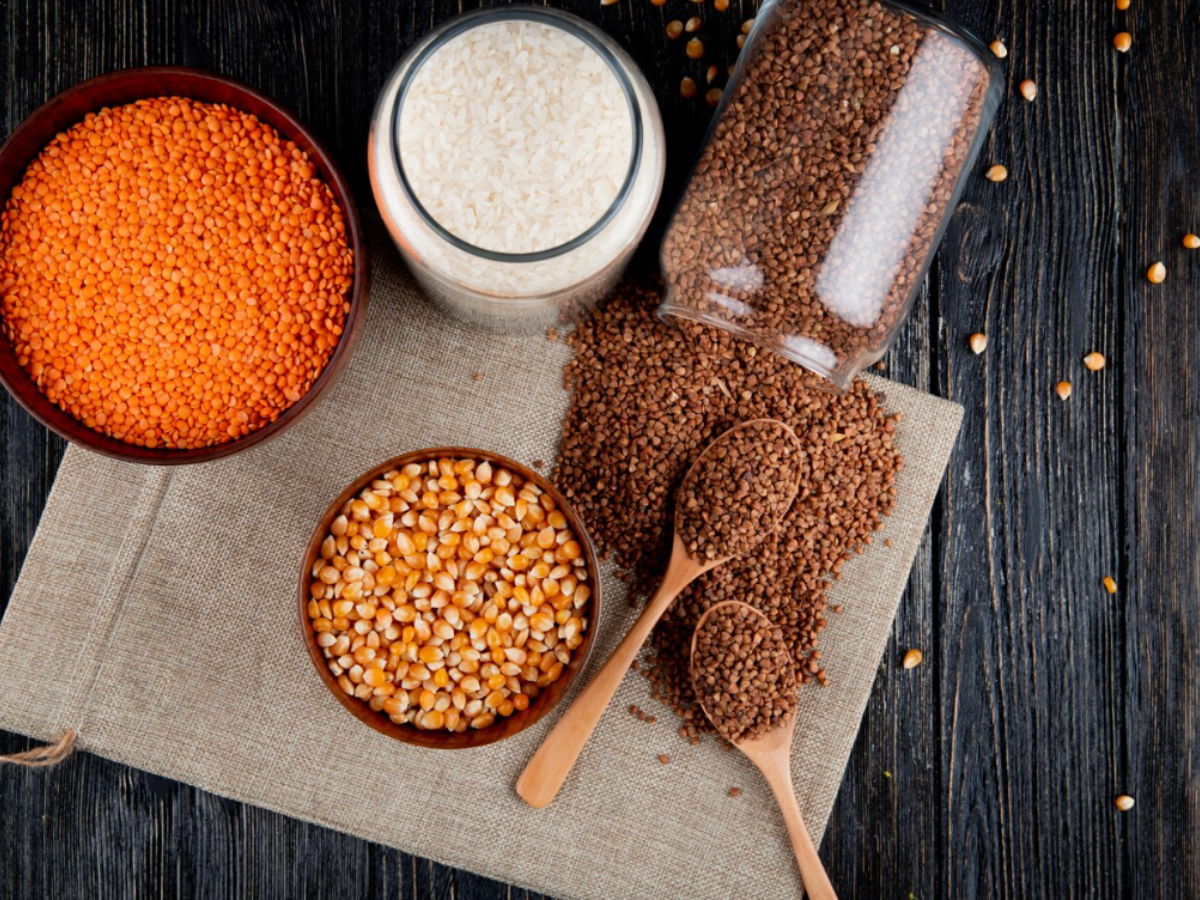
Winter wellness with millets
Cold weather slows digestion and lowers energy. Millets are warming, fibre-rich, and nourishing perfect for winter meals that keep you full, balanced, and naturally energised.
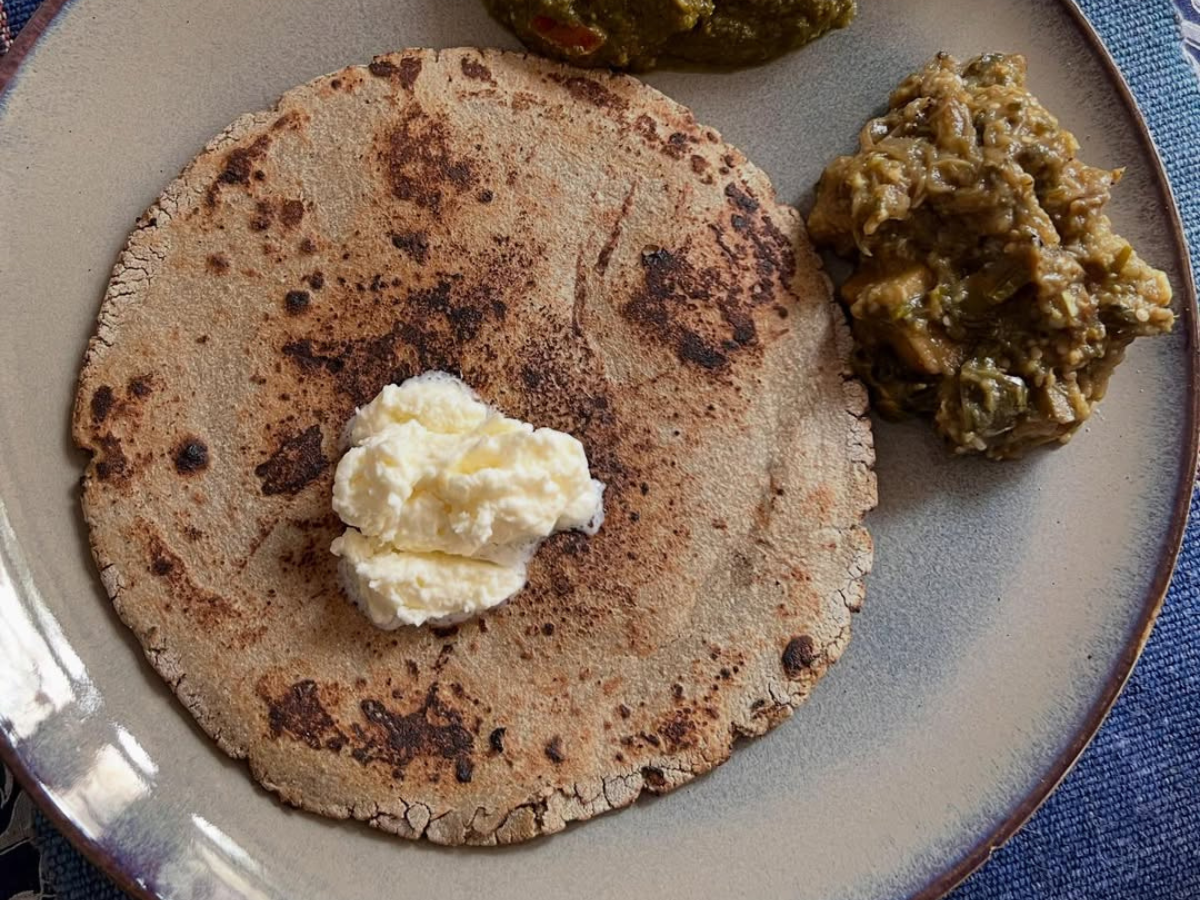
Bajra roti for warmth
Bajra flour helps maintain body heat and keeps you full longer. Soft bajra rotis with ghee are ideal for winter lunches and heavy appetites.

Jowar cheela for stable sugar
Jowar flour is low GI and gentle on digestion. Turn it into savoury cheelas for breakfast to avoid energy crashes during cold mornings.
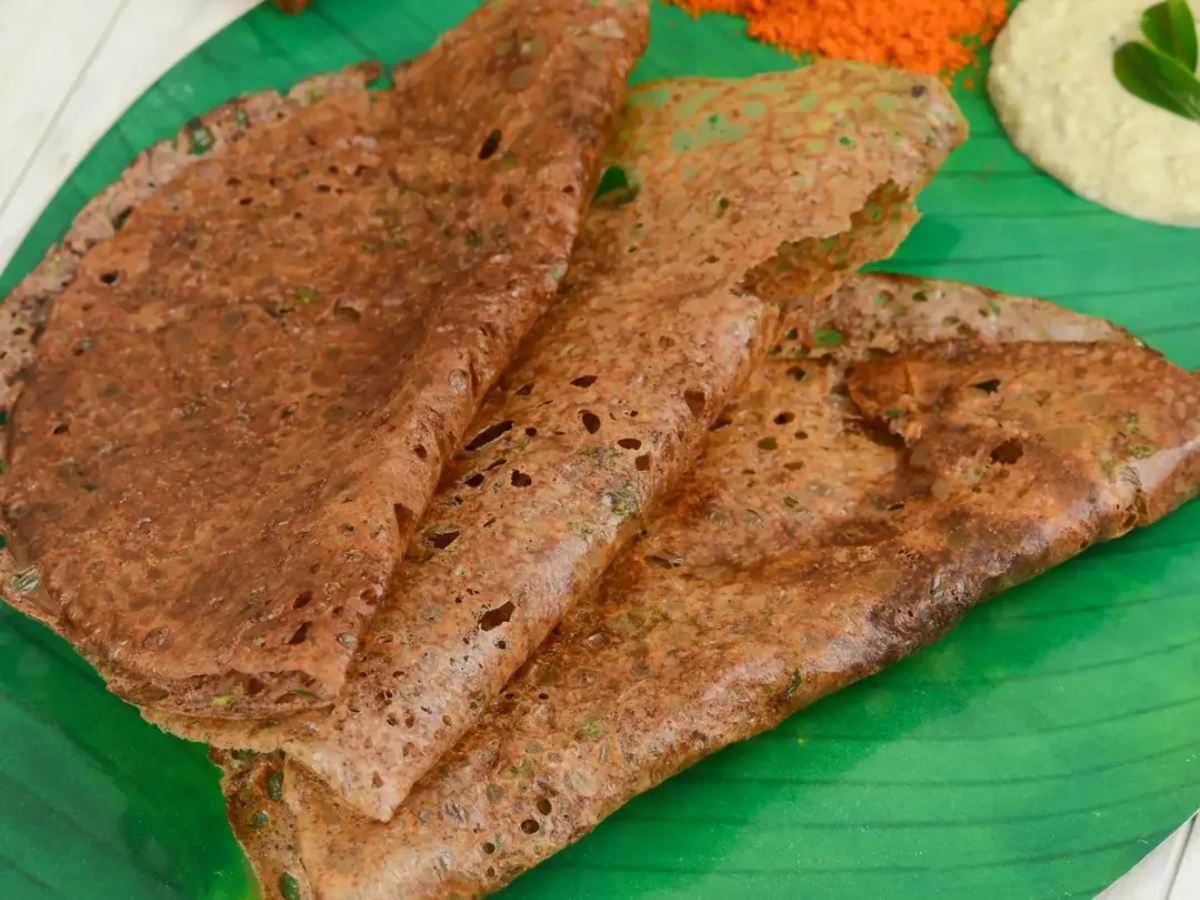
Ragi dosa for strength
Ragi is rich in iron and calcium, supporting bones and stamina. Crispy ragi dosas are perfect for winter when the body needs extra nourishment.
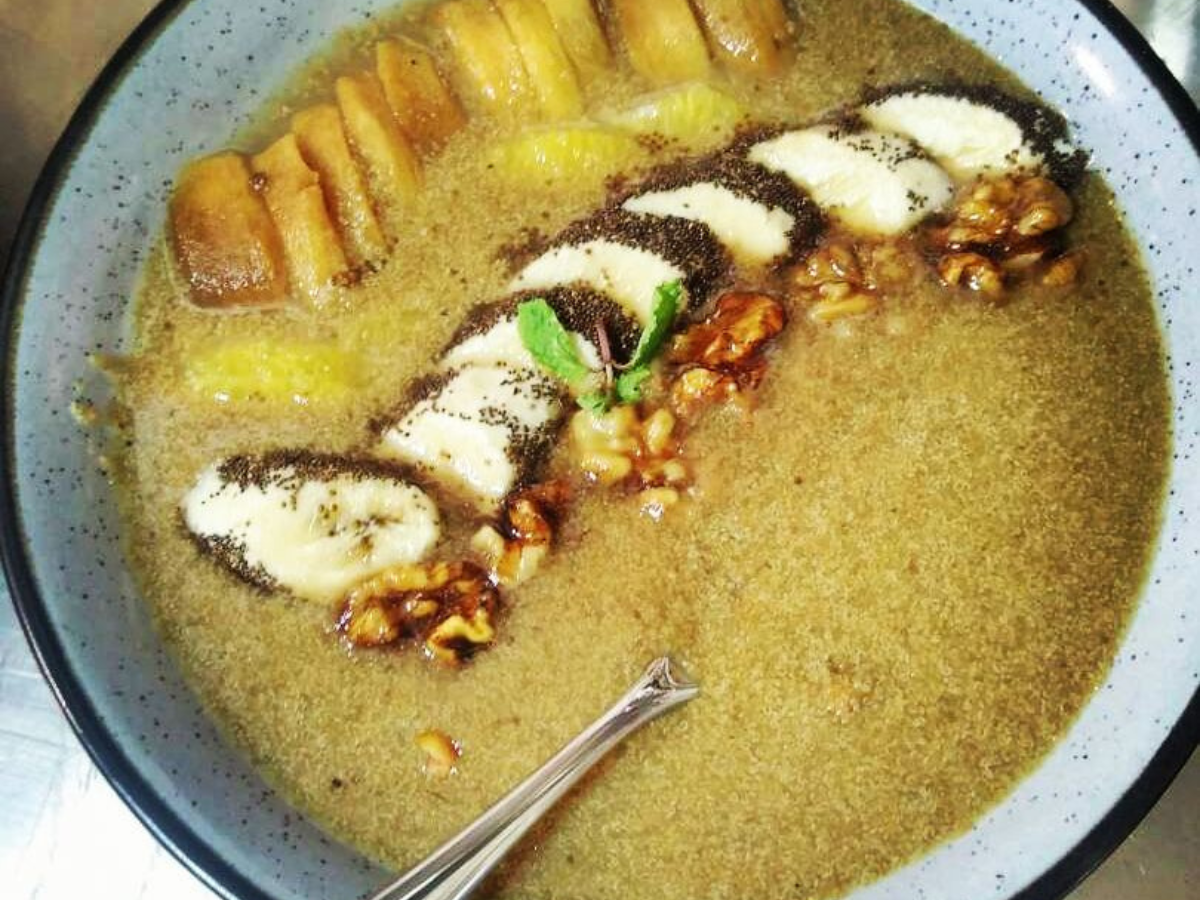
Amaranth porridge for immunity
Amaranth flour is protein-rich and mineral-dense. A warm porridge boosts immunity and keeps seasonal fatigue away on chilly days.
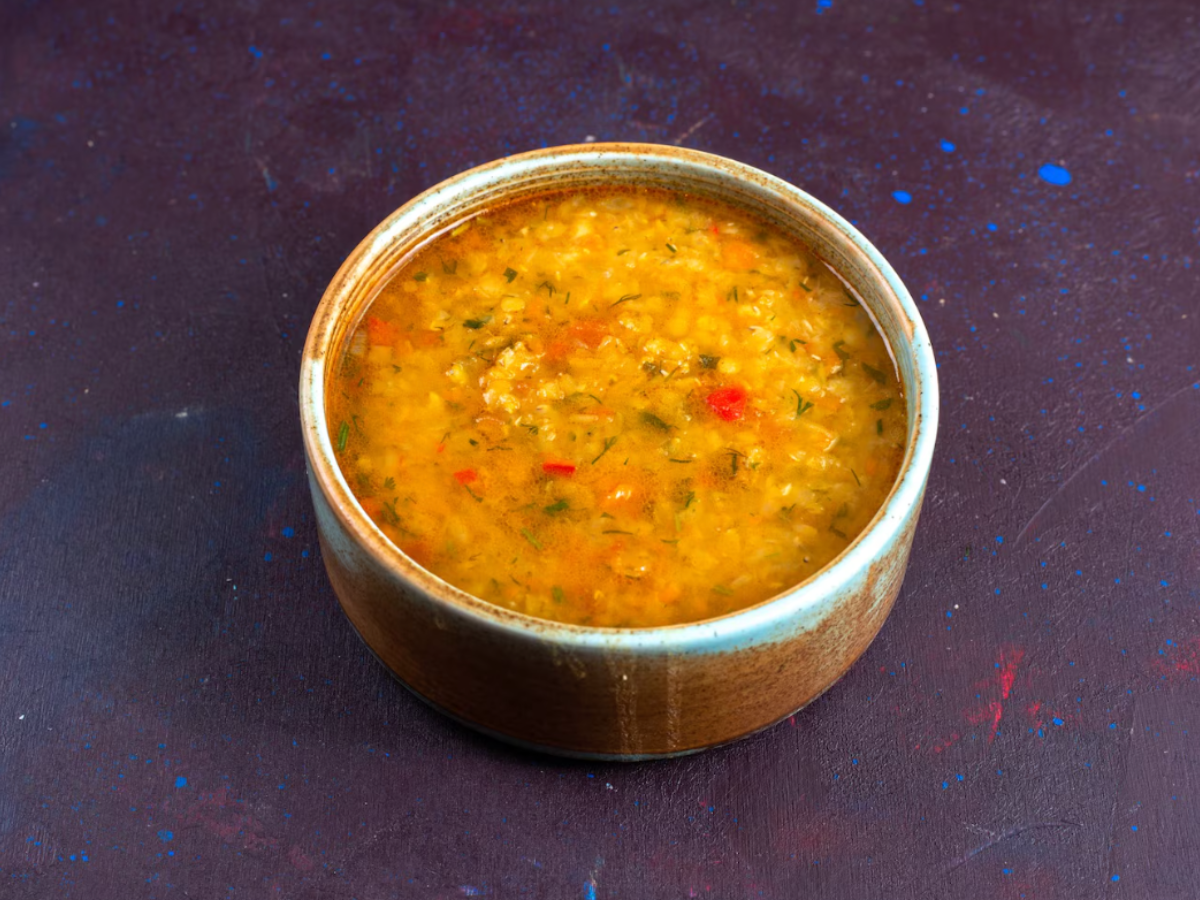
Foxtail millet khichdi for energy
Foxtail millet provides slow-releasing carbs. A comforting khichdi keeps energy steady and digestion light during cold evenings.
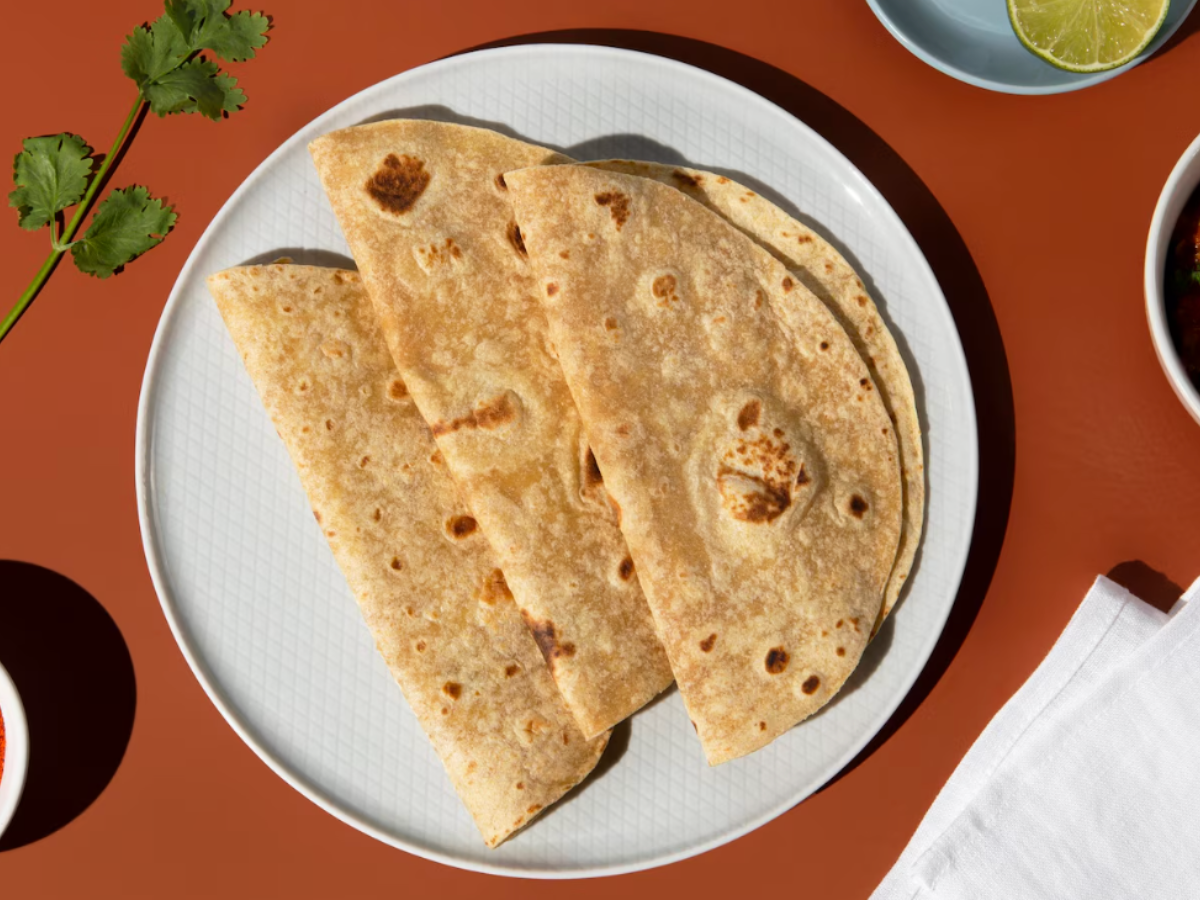
Little millet rotis for digestion
High fibre little millet supports gut health and prevents constipation, a common winter issue. Simple rotis make daily meals lighter and easier.

Why millets win in winter
Millets are local, seasonal, and deeply nourishing. Rotis, dosas, or porridges these grains make winter eating wholesome, warming, and sustainable.

Disclaimer
The information provided on this platform is for general informational and educational purposes only and is not a substitute for professional medical advice, diagnosis, or treatment. Always consult a qualified healthcare professional, dermatologist, or nutritionist regarding any health, fitness, or beauty concerns. Individual results may vary.




