
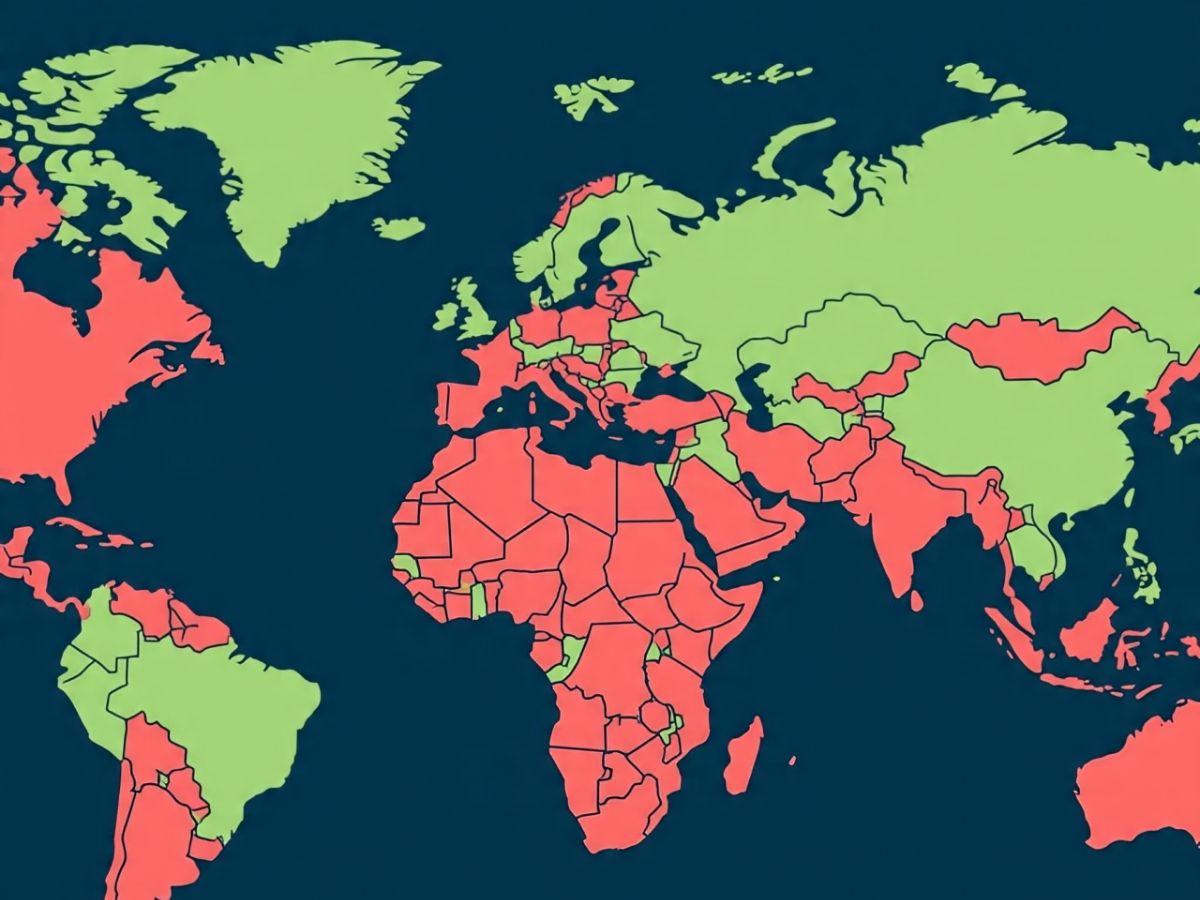

Climate Change and Its Urban Impact in 2025
As the climate crisis intensifies in 2025, cities around the world face increasing risks of extreme weather events like floods, droughts, and rising temperatures. Rapid urbanization combined with aging infrastructure exacerbates vulnerabilities, especially in low-lying coastal cities and densely populated regions. Understanding which cities are most at risk is crucial for preparedness, adaptation, and resilience.
Cities Facing Extreme Flooding and Drought
Recent research reveals 17% of the world’s largest cities experience “climate whiplash,” harshly swinging between floods and droughts within short spans. Cities such as Addis Ababa (Ethiopia), Hangzhou (China), and Jakarta (Indonesia) are hotspots of this extreme variability. South Asia and eastern Africa stand out as regions with the highest urban vulnerability to both too much and too little water, threatening access to clean water and sanitation for millions.
South Asian and African Cities Most Vulnerable
Major cities like Khartoum (Sudan), Faisalabad and Lahore (Pakistan), Baghdad (Iraq), Nairobi (Kenya), and Surabaya (Indonesia) are among the most exposed to devastating climate shifts. These urban centers grapple with the dual challenges of rising population pressures and inadequate infrastructure to handle intensifying climate hazards, leading to potential humanitarian crises. Coastal cities such as Mumbai, Kolkata, and Dhaka also face significant risks from sea-level rise and flooding.
European Cities and Infrastructure Challenges
Europe’s older water and waste management systems put cities like Madrid, Paris, and Barcelona at elevated risk despite advanced economies. Prolonged drying trends combined with aging infrastructure make these cities vulnerable to droughts and water shortages, requiring urgent policy focus on sustainable urban water management and resilience planning.
The Urgency of Urban Climate Adaptation
The escalating climate impacts on cities underscore the need for innovative urban planning and adaptation strategies. Cities must invest in modern drainage systems, water conservation, disaster response readiness, and public health infrastructure. Efforts like Delhi’s new stormwater drainage plan highlight proactive steps toward climate resilience, blending engineering solutions with ecological restoration.
Global Call for Cooperative Action
Tackling urban climate risks demands global cooperation, financial investments, and knowledge-sharing to support vulnerable cities. Governments, multilateral organizations, and the private sector must collaborate to safeguard billions of urban residents and ensure cities remain livable in a warming world.
This content is for informational purposes based on current data and reports. Climate risks and city vulnerabilities may evolve with new research and changing environmental conditions.
Vani Verma is a content writer with over 2 years of experience in lifestyle, entertainment, health and digital media. She has a knack for creating engaging and research-driven content that resonates with readers, blending creativity with clarity. Passionate about media trends, culture, and storytelling, she strives to craft content that informs, inspires, and connects.




