
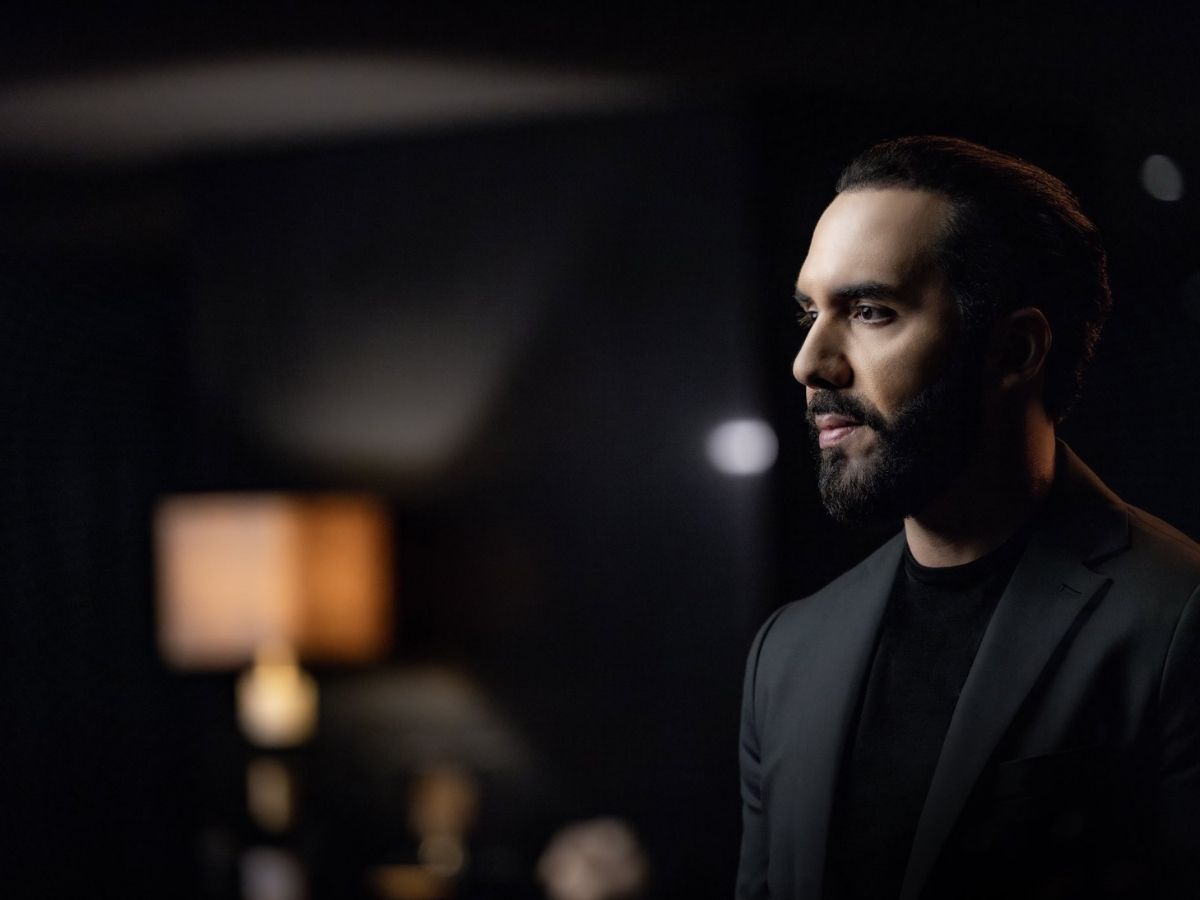

El Salvador’s Legislative Assembly, led by President Nayib Bukele’s party New Ideas, late Thursday night approved sweeping constitutional changes that wipe out presidential term limits, according to a report published by The Associated Press. The vote also extended term lengths from five to six years and eliminated runoff elections. The changes were brought in with an overwhelmingly majority, with 57 voting in favour and three opposing the move, the report said.
Bukele Poised for Unlimited Rule
The reform effectively clears the path for Bukele to run indefinitely. Opposition leader Claudia Ortiz warned, “The implication of this is more concentration of power… and the complete dismantling of all democratic checks and balances.” Bundestag consultant Damián Merlo, hired by the Bukele administration, defended the move, reportedly saying it merely “gives Bukele the option of reelection”, and not a guarantee of power. “It’s up to the people to decide who the leader will be,” he further said, per AP.
Ortiz called Merlo’s comparison to democracies like Germany and France “absurd,” while stressing that those nations have separate institutions that keep the executive power in check.
A History of Power Consolidation
Bukele first came to power in 2019 on an anti-corruption, anti-gang platform, displacing traditional parties. His supporters credit him with slashing homicide rates, but opponents see an authoritarian streak.
- 2020: Bukele entered the legislature with armed troops to pressure lawmakers.
- 2021: His party purged and stacked the Supreme Court with loyalists.
- 2022: Declared a “state of emergency” to crack down on gangs, reportedly arresting over 86,000 people, often “without due process”.
- 2023: Opened a controversial mega-prison accused of mass rights abuses. He also secured re-election despite constitutional bans on consecutive terms.
- 2024–2025: Arrests of high-profile critics, activists and journalists intensified, even as a wave of political exiles reportedly fled the country.
A New Wave of Repression?
In May 2025, peaceful protesters near Bukele’s home were violently dispersed over evictions, the report said. Soon after, a new foreign agents law, similar to those used in authoritarian states, was enacted to pressure NGOs. Notable lawyers, including Ruth López and Enrique Anaya were arrested on charges viewed by many as politically motivated. “I’m a political prisoner,” López had said in the court at the time. According to the report, thousands of civil society members have since left El Salvador.
Critics Sound Alarm
Human rights activist Roxana Cardona, meanwhile, lamented that a “democratic state has been transformed into an autocracy”. “All democratic norms have died,” AP quoted Cardona as saying.
Lawyers have warned that Bukele has now erased structures designed to prevent exactly this kind of power grab.




