
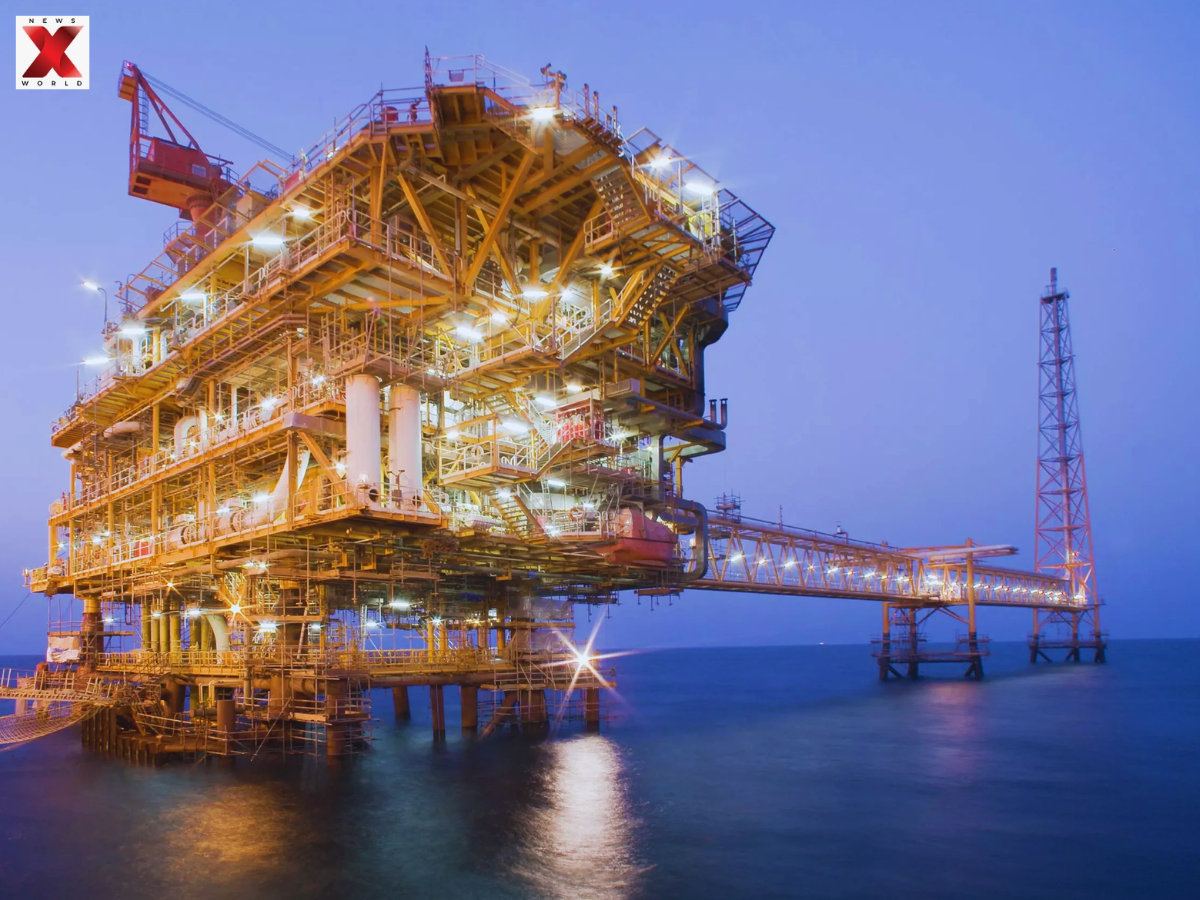

The Israeli Air Force hit a natural gas facility in southwestern Iran, something two senior Israeli officials confirmed to Axios. This move brings a new level of intensity to the ongoing conflict.
Israel Strikes Iran’s South Pars Gas Field
According to those officials, the strike wasn’t just an Israeli decision; it was coordinated with and approved by Donald Trump’s administration, which shows the US had a direct hand in expanding the target list to Iran’s crucial energy infrastructure.
Iranian media reported that several facilities at the South Pars gas field were damaged, with emergency crews scrambling to put out fires ignited by the attack.
Energy Infrastructure Targeted
State television, quoting Ehsan Jahanian, the deputy governor of Bushehr province, said, “Parts of the gas facilities located in the South Pars Special Economic Energy Zone in Asaluyeh were struck by projectiles fired by the American-Zionist enemy.”
This is the first time Israel has gone after Iran’s natural gas facilities. These sites are vital for Iran’s economy and energy, so this shift moves beyond previous operations, which mainly targeted military or strategic assets.
There’s some history here. Tensions surfaced earlier between Washington and Israel over hitting energy infrastructure. Trump’s administration wasn’t happy with Israeli strikes on Tehran’s oil depots before, telling Israel to hold back unless they got explicit US approval.
South Pars Strike Raises Fears of Wider Middle East Energy Crisis
Now, with energy infrastructure squarely in the crosshairs, hostilities are likely to spike. Under international humanitarian law, including the Geneva Conventions, attacking economic targets isn’t outright banned if those targets bring a clear military advantage.
But if the strikes end up causing disproportionate harm, hitting civilians, or just seem indiscriminate, they cross into unlawful territory. Energy facilities that serve civilians are especially sensitive.
If the damage creates a lot of civilian suffering or disrupts life for years, it raises serious questions—potentially violating international law and even veering toward war crimes.




