
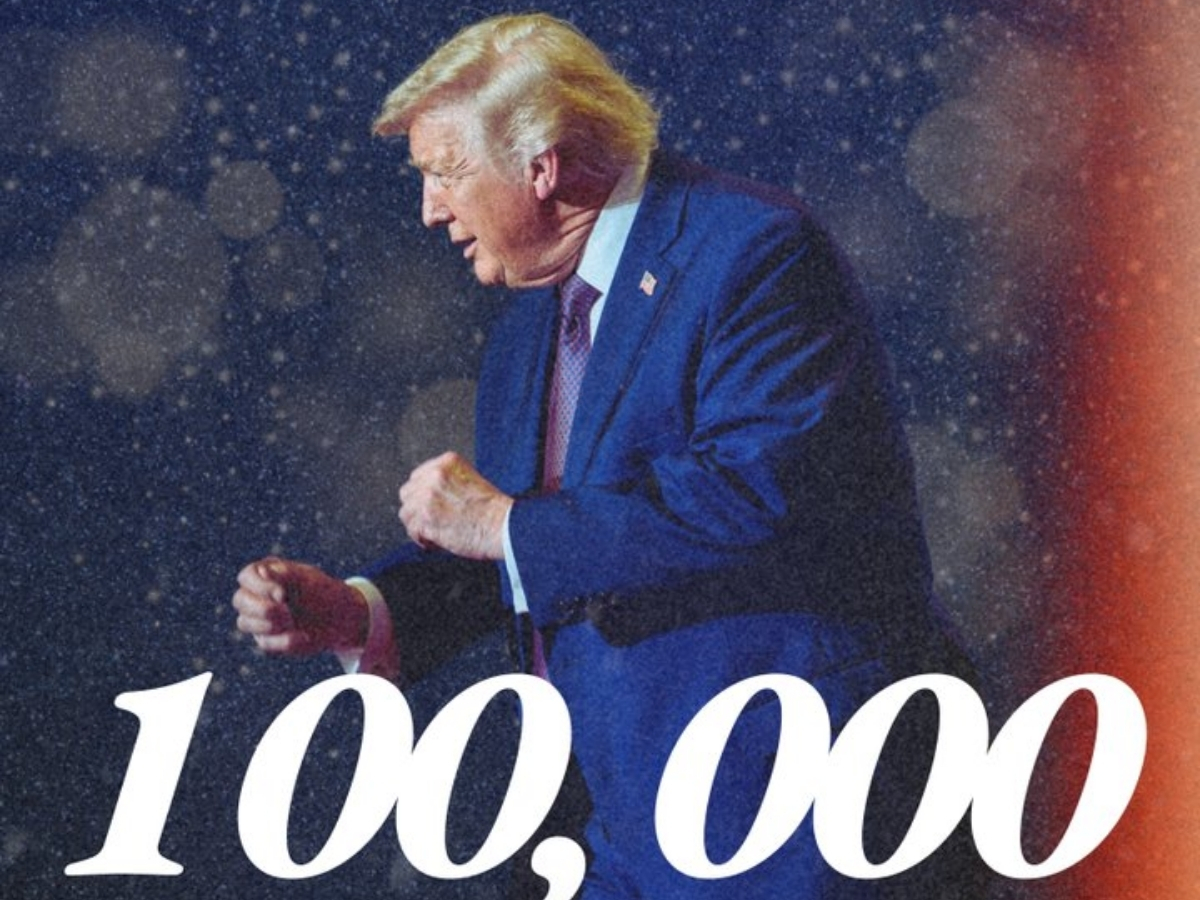

US Visa: The US Department of State has revoked more than 100,000 visas, including thousands issued to students and specialized workers, as part of a major immigration enforcement effort under President Donald Trump’s second term.
In a post on X, formerly Twitter, the State Department stated, “The State Department has now revoked over 100,000 visas, including some 8,000 student visas and 2,500 specialized visas for individuals who had encounters with U.S. law enforcement for criminal activity. We will continue to deport these thugs to keep America safe.”
US Visa Revocations – Who Were Targeted?
Deputy State Department Spokesperson Tommy Pigott explained that the US visa revocations targeted foreign nationals charged or convicted of crimes including assault, theft, and driving under the influence (DUI).
“In less than one year, the Trump administration has revoked over 100,000 visas,” Pigott said, calling the move a crucial step in enforcing immigration laws.
The majority of visa cancellations involved business and tourist travelers who overstayed their visas. Other revocations were tied to arrests or charges related to DUI, assault, theft, child abuse, fraud, and other criminal offenses.
Nearly 500 student visas were also revoked in connection with drug possession and distribution cases, highlighting the administration’s focus on criminal activity among foreign nationals in the US.
🚨BREAKING: The State Department has now revoked over 100,000 visas, including some 8,000 student visas and 2,500 specialized visas for individuals who had encounters with U.S. law enforcement for criminal activity.
We will continue to deport these thugs to keep America safe. pic.twitter.com/wuHVltw1bV
— Department of State (@StateDept) January 12, 2026
Tighter Immigration Rules Trigger US Visa Revocations Under Trump Administration
The revocations occur amid the Trump administration’s ongoing overhaul of the US immigration system. Alongside heightened deportations, authorities have implemented stricter standards for visa issuance, emphasizing public safety and national security.
To support enforcement, the State Department has established a Continuous Vetting Center, designed to:
“Ensure all foreign nationals on American soil comply with our laws, and that the visas of those who pose a threat to American citizens are swiftly revoked,” Pigott said.
US diplomats have also been instructed to apply more rigorous scrutiny to visa applicants perceived as hostile to Washington, including individuals with a history of political activism.
Administration officials have further warned that student visa holders and even green card holders could face deportation for actions such as supporting Palestinians or criticizing Israel’s conduct in the Gaza conflict, describing such activity as a threat to US foreign policy.
How Has US Visa Revocation Impacted Indian Nationals
Indians have been notably affected by the stricter enforcement. According to information shared by the Indian government in Parliament, the US deported 3,155 Indian nationals in 2025 up to November 21. This marks a sharp rise compared to 617 deportations in 2023 and 1,368 in 2024.
Officials noted that most foreign governments, including the US, do not release detailed nationality data on deportations, limiting precise tracking.
US Immigration and Customs Enforcement (ICE) terminated 4,736 SEVIS records, while the State Department revoked over 300 student visas since January 2025. The developments have raised concerns among Indian students and education consultants.
Although India has avoided inclusion on any US travel-ban lists, enforcement against Indian nationals has intensified through stricter screenings rather than nationality-based restrictions.
Zubair Amin is a Senior Journalist at NewsX with over seven years of experience in reporting and editorial work. He has written for leading national and international publications, including Foreign Policy Magazine, Al Jazeera, The Economic Times, The Indian Express, The Wire, Article 14, Mongabay, News9, among others. His primary focus is on international affairs, with a strong interest in US politics and policy. He also writes on West Asia, Indian polity, and constitutional issues. Zubair tweets at zubaiyr.amin




