
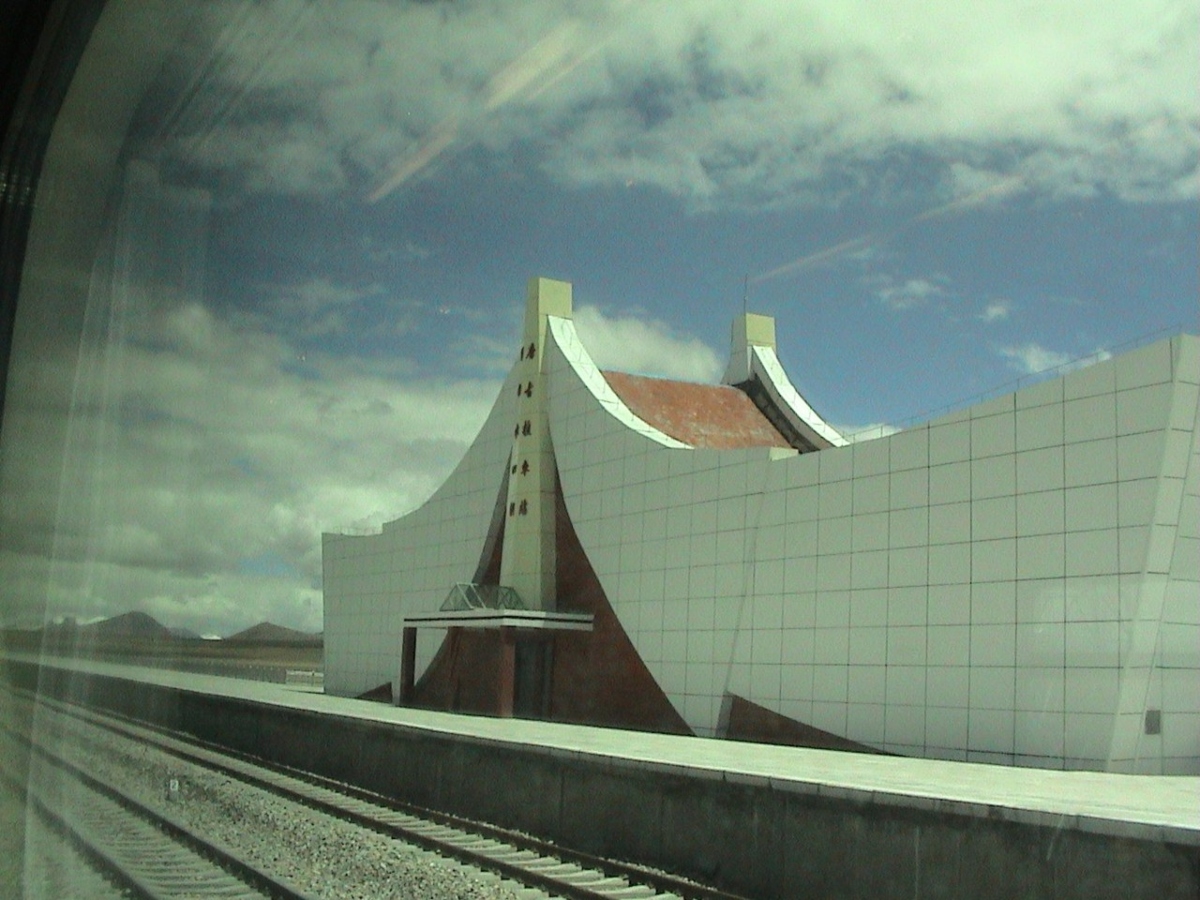

There is a railway station in the world which is situated between snow-covered mountains. It offers breathtaking views and an unusual experience. Interestingly, it has no staff at all. Its name is Tanggula Station, and is a remote stop that is located at an altitude of 16,627 feet (5,068 metres) above sea level, making it the highest railway station in the world.
Opened in 2006, Tanggula Station was built as part of the Qinghai–Tibet Railway project, a major engineering achievement that connected one of the world’s most remote regions to modern transport.
What makes the station remarkable is not only its altitude but also its emptiness. Unlike most railway stations, there are no staff members managing it.
Despite being unstaffed, the station has a few basic facilities. It includes a small waiting room. Passengers can enjoy facilities like oxygen support systems, to help travellers cope with altitude sickness.
This is important, as oxygen levels at such heights are much lower than at sea level.
The location of Tanggula Station is extremely isolated. There are no nearby towns, villages, or public transport services apart from the train itself.
Occasionally, trains on the route stop here to allow oncoming trains to pass, but passengers are not permitted to get off because of the harsh high-altitude conditions.
More than just a station, Tanggula is known for its engineering and design. Constructing such a railway in one of the toughest climates in the world was no easy task. The project was aimed at boosting tourism, and improving trade routes.
Shivam Verma is a journalist with over three years of experience in digital newsrooms. He currently works at NewsX, having previously worked for Firstpost and DNA India. A postgraduate diploma holder in Integrated Journalism from the Asian College of Journalism, Chennai, Shivam focuses on international affairs, diplomacy, defence, and politics. Beyond the newsroom, he is passionate about football—both playing and watching—and enjoys travelling to explore new places and cuisines.




