
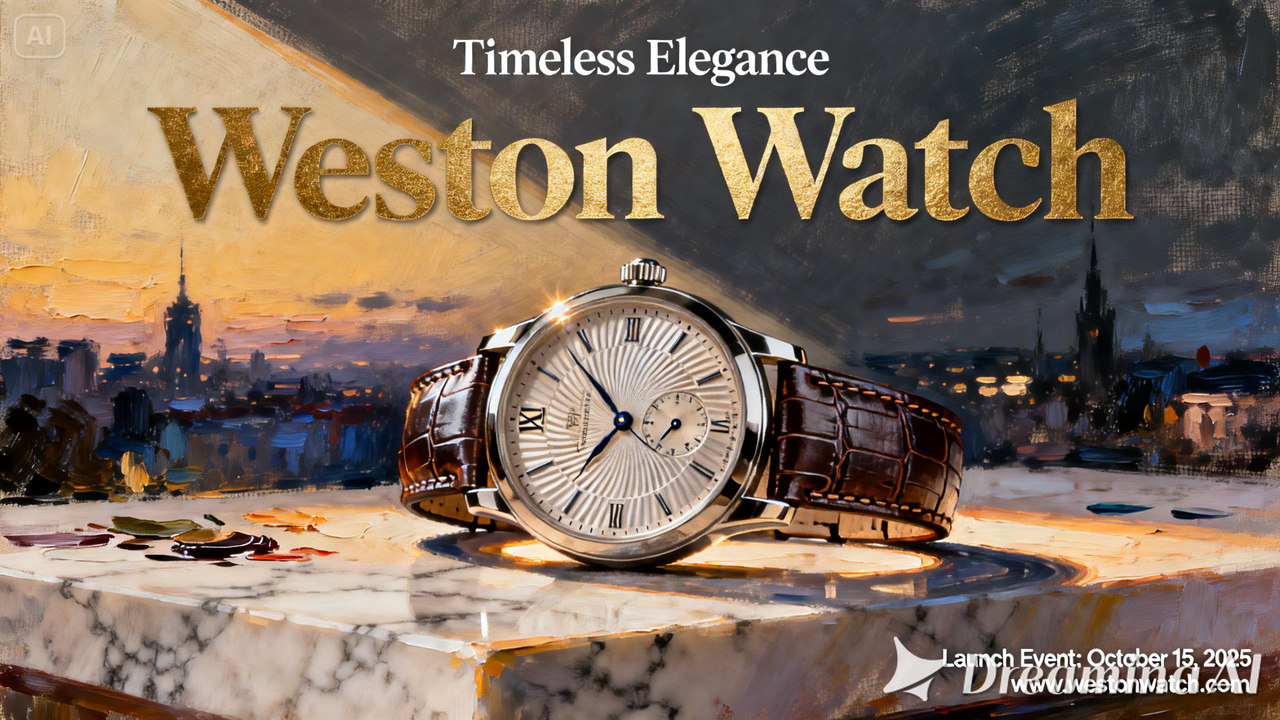

Product launches are no longer centered on a hero image and a press release. Today, they seem to be more like a visual symphony, with all the posters, banners, social media messages, and videos playing in sync. Today, a brand does not merely talk about a new offering but immerses consumers within and through all screens. With Dreamina’s AI image generator, an organization can create all this from a single idea.
So, instead of designing in silos, marketers now think in terms of waves. The same product is showcased in a website header, social ad, launch email, and vertical video, all with the same mood, lighting, and story. In this way, when a person consumes these pieces throughout their day, it feels like the product is gently following them, rather than shouting in their ear.
As a result, product launches have become an experience in itself. When you are not just launching a product, you are entering a character in the virtual world, and every visual element helps create who this character is.
Why modern launches have taken a more cinematic feel rather than a commercial
What feels different about today’s product launches is how storytelling has slipped into marketing. Brands borrow from movies, fashion editorials, and social content and blend these into something that feels more like a narrative than an ad.
Today, a launch now typically includes:
•A poster striking to create a mood.
•Set of banners teasing features and use cases
•Social visuals that demonstrate the product in day-to-day life
•A small video that gives it character.
All these are interlinked: the colors, the textures, and the compositions repeat themselves to create one visual memory in the audience’s psyche. This approach works because people do not remember specs; they remember feelings. And when every visual in the launch shares the same emotional tone, the product starts to feel familiar, even before it is owned.
The hidden power of visual consistency
Visual consistency is not about reproducing the same picture throughout. Visual consistency is about speaking the same visual vocabulary. A brand might change its crop, background, and layout, but lighting, color, and mood should be recognizable.
In addition, consistency creates trust among customers, too. For example, a customer can view an advert for a product on social platforms and proceed to the site, and the entire process seems seamless.
This is where AI-powered workflows make all the difference. Dreamina’s AI art generator allows the creation of several interpretations based on one idea, selecting the most appropriate ones for each site, all sharing the same artistic identity.
What this means is that there is less time for recreation and more time for refinement. Rather than having to recreate the same product in ten different ways, a group is now free to explore a total of ten creative avenues and select the best ones.
where video fills in the launch tale
Pictures are what construct the world of images but what makes it alive are videos. In current product launches, videos are no longer additional features but an essential part of product launches and understanding. By using Dreamina’s AI video generator, brands are able to make storytelling videos right from texts or images, further extending their visual campaign into videos without jeopardizing their style.
A product scene by itself can be morphed into a short vertical video that showcases a texture, a shape, or a use in a way that static images cannot. This is not a complex animation and effect. This is about showcasing a product in a cinematic and emotionally engaging manner that is native to a social feed and an online advertisement.
If the video has the same lighting, composition, and color story as the posters and banners, it feels as if this is just one movie as everything is part of the overall video message.
How Dreamina translates an idea into a launch-ready visually-driven system
Dreamina seems like a hub for creativity related to this process. You begin with an idea and then develop to encompass all aspects necessary in a new launch. Here’s how:
Step 1: Write a detailed text prompt
Go to Dreamina and construct an extended text message that embodies both product as well as an emotion for your desired product-launch message to induce. For example, you could choose such an extended message for your product as follows:
A sleek wireless earbud case on a soft fabric surface, warm studio lighting, subtle shadows, modern minimal style, space for headline text, designed to work for posters, social ads, and website banners, premium but approachable mood.
Therefore, it is important to highlight in this article that there are various tools that help in making product images or product presentations.
Step 2: Refine parameters and generate
Select the model of choice based on your brand identity, and set the aspect ratio to accommodate your primary platform, such as portrait-oriented models with a vertical aspect ratio if you will be using social media. Set your desired size and resolution, 1k or 2k, depending on how detailed you want the generated result to be, and finally, click on Dreamina’s icon.
Step 3: Customize & Download
The customization options in Dreamina’s AI, such as inpaint, can be used to add details to products, create, remove, and retouch. When ready, click on the Download icon in the corner of the page to save your assets.
How launch teams employ this toolkit in reality
What is exciting about this new toolkit is the way it revolutionizes collaboration. Designers, marketers, or teams no longer have to wait for each other. Rather, they all receive data from the same source.
A typical flow might include the following:
•The design team now constitutes a hero design in Dreamina
•The marketing team chooses variations in advertisements and banners
•The social team will rely on the same reference to produce clips.
•The team that manages the website adjusts the graphics used in headers and product pages
As all of it has the same root of creativity, the launch remains in line even as it goes multi-platform. This also enables faster testing. Various tries at different looks or even different mood colors or different frames can be done quickly without relaunching the entire process.
A more human way of introducing new things
What lies at the heart of this toolkit is surprising: a very old-fashioned concept: storytelling. Consumers want to feel a link to a new product. They want to know not just what something does, but how something relates to them.
When posters, banners, social media creatives, and videos convey the same message, an immediate connection can be made.
Dreamina opens the doors for such storytelling to happen. The application will help even small teams to have a big launch experience.




